


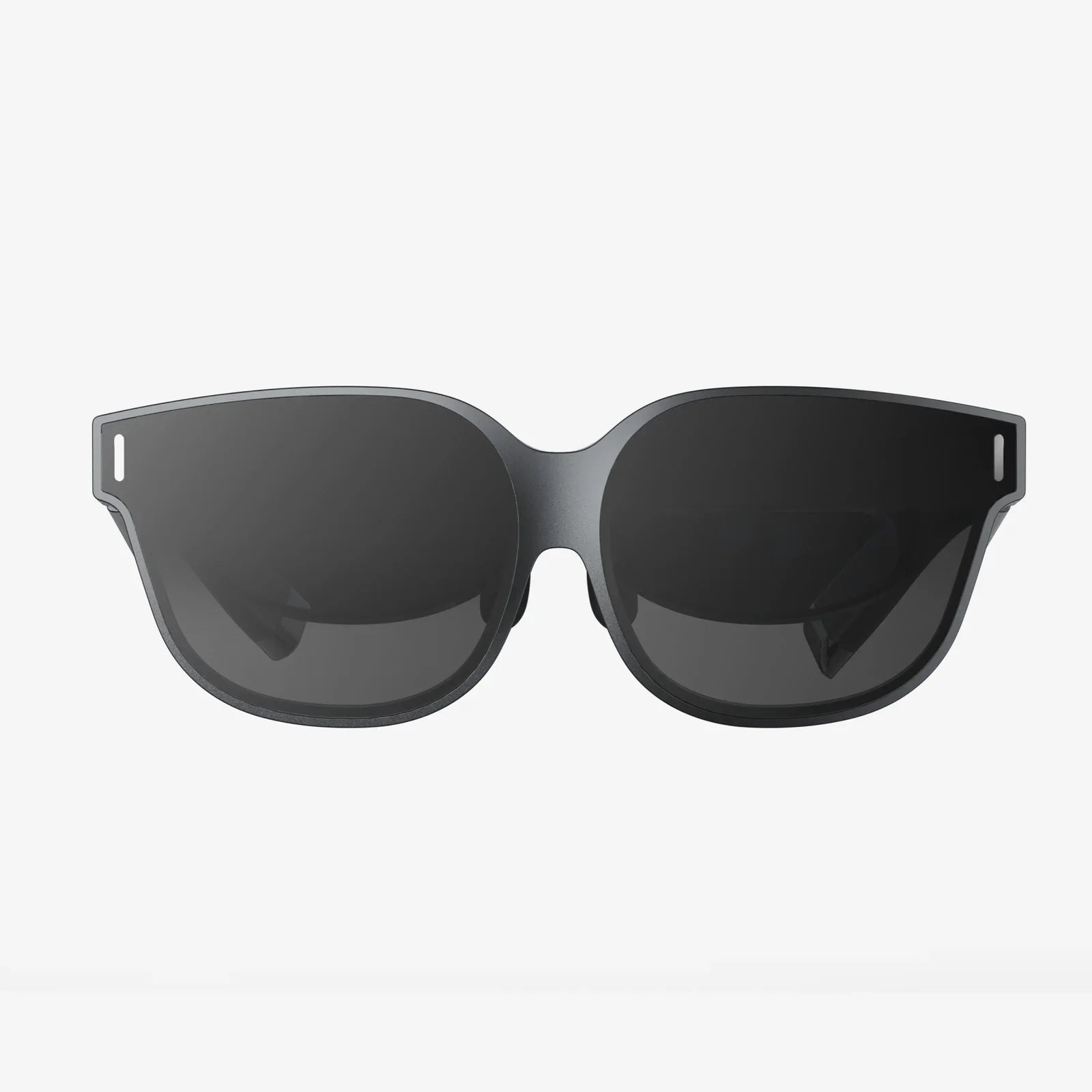
Imagine strapping on a headset and instantly being transported to the summit of Mount Everest, the depths of the Mariana Trench, or the operating theater of a world-class surgeon. This is the breathtaking promise of Virtual Reality (VR), a technology that has captivated our collective imagination and stands poised to redefine human experience. But behind the dazzling spectacle lies a complex landscape of immense potential and formidable obstacles. To truly understand its place in our future, we must embark on an honest exploration of the core strengths and weaknesses of virtual reality.
The Unparalleled Strengths: A Gateway to New Realities
The power of VR lies not in its ability to replicate our world, but to create entirely new ones or to manipulate our perception of reality in profoundly useful ways. Its strengths are transformative, offering capabilities that were once the sole domain of science fiction.
Immersive Experiential Learning and Training
Perhaps the most significant strength of VR is its capacity for immersion. Unlike any other medium, VR can create a convincing sense of "presence"—the psychological state where users feel they are actually *in* the simulated environment, not just observing it. This has revolutionary implications for education and training. Medical students can practice complex surgical procedures on virtual patients, making mistakes without consequences. Aviation trainees can navigate emergency scenarios in a perfectly simulated cockpit. Mechanics can learn the intricacies of a new engine model by taking it apart virtually, piece by piece. This experiential learning is far more effective than reading a manual or watching a video, leading to better knowledge retention and skill acquisition.
Revolutionizing Design and Prototyping
In fields like architecture, engineering, and product design, VR is a game-changer. Designers and clients can don a headset and walk through a building long before the foundation is poured. They can assess sightlines, experience the flow of space, and identify potential design flaws that would be impossible to spot on a 2D blueprint. This saves enormous amounts of time and money by moving the revision process into the virtual realm, drastically reducing the need for physical prototypes and costly post-construction modifications.
Powerful Therapeutic and Rehabilitation Applications
The healthcare sector is harnessing VR's strengths for both mental and physical therapy. Exposure therapy for phobias—such as fear of heights, flying, or public speaking—can be conducted in a safe, controlled, and gradual manner within VR. Patients with PTSD can process traumatic memories under the guidance of a therapist. For physical rehabilitation, VR games and exercises can make repetitive motion therapy for stroke victims or those recovering from injuries more engaging and measurable, motivating patients to adhere to their treatment regimens.
Unprecedented Remote Collaboration and Social Connection
VR has the potential to evolve beyond video conferencing to create a true sense of shared space. Colleagues from across the globe can meet in a virtual boardroom, interacting with 3D models of data as if they were physical objects. This concept of the "metaverse" promises new forms of social interaction, where distance becomes irrelevant. Friends can watch a virtual movie together on a giant screen, attend a live concert from the best seat in the house, or simply gather in a digital environment to connect, fostering a deeper sense of togetherness than a flat screen can provide.
Boundless Entertainment and Storytelling
The entertainment industry is fundamentally altered by VR. It is not just about playing a game; it is about *inhabiting* it. Players become the protagonist, their physical movements directly translating into the game world, creating an unparalleled level of engagement. Filmmakers are exploring new narrative techniques, placing the viewer inside the story, allowing them to look around and choose where to focus their attention, making them an active participant rather than a passive observer.
The Formidable Weaknesses: Barriers to a Virtual Future
For all its dazzling potential, VR is not without its serious drawbacks. These weaknesses present significant hurdles that the technology must overcome to transition from an enthusiast's novelty to a ubiquitous tool.
The High Cost of Entry and Hardware Requirements
Accessibility remains a primary concern. High-quality VR systems, especially those capable of a truly comfortable and high-fidelity experience, require significant financial investment. This includes not only the headset itself but also the powerful computing hardware needed to run it smoothly. This high barrier to entry limits widespread adoption, confining it to well-funded enterprises, institutions, and dedicated enthusiasts, while excluding a large portion of the general public.
Physical Discomfort and the "VR Sickness" Enigma
A notorious weakness of VR is its tendency to induce cybersickness, a form of motion sickness characterized by disorientation, eye strain, headaches, and nausea. This occurs due to a sensory mismatch between what the user's eyes see (movement in the virtual world) and what their vestibular system feels (a stationary body). While technological improvements like higher refresh rates and better tracking have mitigated the issue for many, a segment of the population remains highly susceptible, preventing them from using VR for extended periods or at all. The form factor of current headsets, which are often bulky and heavy, also contributes to physical discomfort during long sessions.
Social Isolation and Psychological Impact
Paradoxically, a technology designed to connect us can also isolate us. Immersing oneself in a virtual world means disengaging from the physical environment. This can lead to a neglect of real-world relationships and responsibilities. Furthermore, the long-term psychological effects of prolonged VR use are not yet fully understood. There are concerns about dissociation, where the line between virtual and real becomes blurred, and the potential for users to prefer a curated virtual existence over the complexities of real life, a concept often explored in dystopian fiction.
Content Limitations and the "Walled Garden" Problem
Despite rapid growth, the library of high-quality, full-length VR content is still limited compared to traditional media. Developing for VR is complex and expensive, which can stifle innovation and lead to a abundance of short experiences or tech demos rather than deep, substantive applications. Furthermore, the ecosystem is often fragmented, with compatibility issues between different hardware platforms and proprietary stores, creating a "walled garden" effect that can frustrate users and developers alike.
Ethical and Privacy Concerns in an Immersive World
The very immersion that is VR's greatest strength also fuels its most serious ethical dilemmas. In a fully tracked environment, companies can gather incredibly intimate data: eye gaze, pupil dilation, body language, reaction times, and even emotional responses. This biometric data is a privacy goldmine, raising alarming questions about how it will be used, stored, and protected. The potential for hyper-realistic misinformation, manipulative advertising, and even "virtual crime" within social VR spaces presents a new frontier for regulation and ethics that society is only beginning to grapple with.
Navigating the Path Forward
The future of VR will be determined by how the industry and society address these weaknesses. Technological advancements are steadily making headsets lighter, cheaper, and more comfortable, with wireless solutions and varifocal lenses improving the experience. The development of more sophisticated haptic feedback suits and gloves will deepen immersion by engaging the sense of touch. On the software side, the creation of cross-platform standards and more powerful, accessible development tools will be crucial for building a rich and diverse content ecosystem.
Most importantly, a robust ethical framework must be established. Transparent data policies, user-controlled privacy settings, and a proactive approach to identifying and mitigating potential psychological harms are not optional extras; they are essential prerequisites for building the trust required for VR to become a truly mainstream technology. The goal should not be to replace reality, but to augment it—to use VR as a tool for enhancing our real-world capabilities, empathy, and understanding.
The journey into virtual reality is not a simple binary of good versus bad. It is a deeply human technology, reflecting our greatest aspirations for connection, exploration, and understanding, while simultaneously confronting us with our limitations and vulnerabilities. Its strengths offer a glimpse of a future filled with wonder and possibility, while its weaknesses serve as a crucial reminder to tread carefully, thoughtfully, and with a firm anchor in the world we share. The headset may offer an escape, but the true challenge—and opportunity—lies in using it to enhance, not escape, the richness of our human experience.
Share:
Virtual Virtual Reality Explained: A Deep Dive into the Digital Dreamscape
The Most Immersive Virtual Reality Experience: A Journey Beyond Reality