


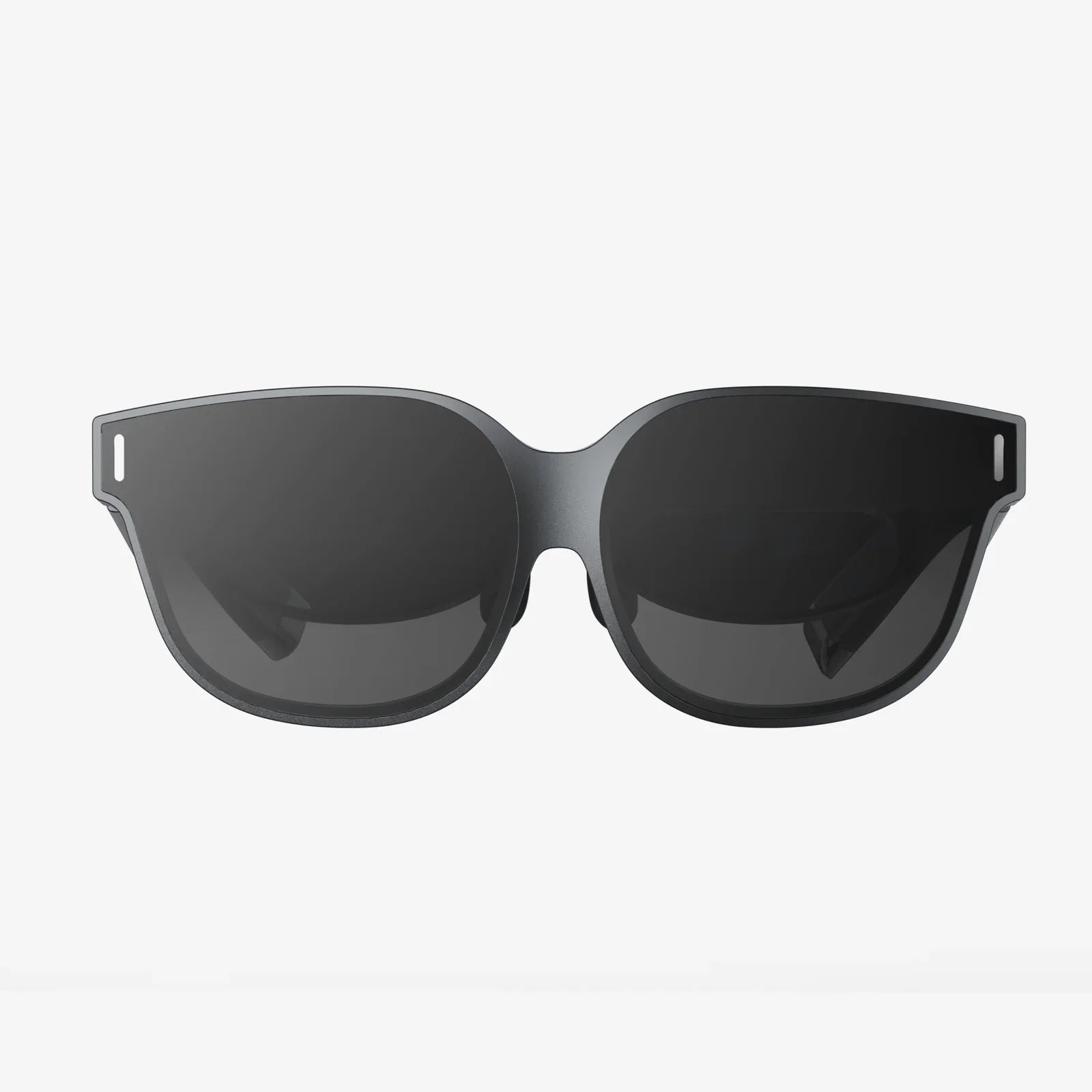
Imagine standing in the heart of a sun-drenched music festival, the bass thrumming through the crowd, the lead singer's voice soaring into the blue sky. Now, imagine experiencing all of that without a single wire in sight, your favorite tracks delivered with crystal clarity directly from the frames perched on your nose. This is no longer a futuristic fantasy; it's the reality being shaped by the innovative convergence of auditory technology and essential eyewear. The very concept of sunglasses for music is redefining personal audio, merging the primal need for protection from the sun with the universal love for a perfect soundtrack to our lives. It’s a statement, a lifestyle, and a technological leap, all wrapped into one indispensable accessory.
The Genesis of a Revolution: Where It All Began
The journey of integrating audio with eyewear is a story of convergence. For decades, these were two separate product categories: one designed for visual protection and style, the other for private listening. The advent of the smartphone and the subsequent elimination of the headphone jack created a fertile ground for wireless audio innovation. Bluetooth earbuds became ubiquitous, but they came with their own set of challenges—the fear of losing a tiny, expensive bud in a mosh pit, the feeling of isolation they can create, and the battery life anxiety.
Meanwhile, sunglasses have always been more than just a tool to block UV rays. They are a cornerstone of personal style, an emblem of coolness worn by icons from musicians to movie stars. The idea to merge these two worlds was a stroke of genius—to place speakers discreetly within the temples of a pair of shades, creating a seamless audio experience that doesn't sacrifice awareness or style. This fusion answered a clear demand: audio that is always with you, inherently harder to lose, and that doesn't announce your playlist to everyone around you like traditional headphones might.
Engineering the Sound: How Audio Meets Optics
The core technological marvel of sunglasses for music lies in its miniaturization and acoustic engineering. Unlike earbuds that funnel sound directly into the ear canal, most audio-enabled sunglasses use open-ear audio technology. This involves tiny, powerful speakers housed in the arms of the frames, positioned just in front of the ears.
Open-Ear Audio Technology
This design philosophy offers several distinct advantages. Firstly, it allows the listener to remain aware of their surroundings. Whether you’re cycling through city streets, jogging on a busy trail, or simply having a conversation, you’re not sonically isolated from the world. This is a critical safety and social feature. Secondly, it avoids the discomfort some people experience with in-ear products, such as ear fatigue or the feeling of being plugged up.
The acoustic challenge, however, is significant. Engineers must overcome sound leakage and ensure audio quality isn't compromised by the open design. Advanced techniques are employed:
- Directional Sound Projection: Using precise speaker angling and acoustic chambers to beam sound directly into the ear.
- Bone Conduction (in some models): While not the primary method for most music-focused shades, some designs incorporate elements that vibrate the temple to transmit sound through the bone, leaving the ear canal completely open.
- Digital Signal Processing (DSP): Sophisticated software algorithms enhance the bass response, manage volume levels, and minimize sound bleed, ensuring a rich and personal listening experience even in noisy environments.
Beyond the Music: A Device for Modern Life
To view these devices merely as sunglasses for music is to underestimate their full potential. They have evolved into a versatile wearable tech platform, much like a smartwatch. The audio components are just the beginning. Many models are packed with features that make them a central hub for on-the-go connectivity.
- Hands-Free Calling: Built-in microphones with noise suppression allow for clear phone conversations, making them perfect for taking calls while walking, driving (in accordance with local laws), or when your hands are full.
- Voice Assistant Integration: A simple tap or voice command can activate your smartphone's native assistant, allowing you to get directions, send messages, or control your smart home without ever reaching for your phone.
- Active Noise Cancellation (ANC): Some premium models offer a hybrid approach, using microphones to cancel out low-frequency ambient noise (like wind or city rumble) while still allowing important sounds like car horns or voices to come through.
This multifunctionality transforms them from a niche music accessory into a powerful tool for productivity and connectivity, seamlessly integrating into the flow of daily life.
The Style Quotient: Fashion Meets Function
Technology alone doesn't sell a product that is worn on the face; design is paramount. The success of audio sunglasses hinges on their ability to look like a classic, stylish pair of shades first and a tech gadget second. Manufacturers offer a wide array of frame shapes—from timeless aviators and wayfarers to modern sport wraps and oversized silhouettes—catering to diverse personal styles.
The choice of lenses is also critical. Polarized lenses are often standard, reducing glare from surfaces like water or pavement, which is essential for both comfort and safety during outdoor activities. Interchangeable lenses are another popular feature, allowing users to swap dark lenses for clear or yellow-tinted ones for evening wear, effectively turning the audio sunglasses into a all-day wearable frame.
Who Are They For? The Ideal Listener
The target audience for sunglasses for music is broad, but they are particularly ideal for certain lifestyles:
- The Active Adventurer: Runners, cyclists, and hikers benefit immensely from situational awareness and secure, comfortable audio that doesn't bounce or fall out.
- The Urban Commuter: Navigating public transport or city streets while staying connected to music, podcasts, and calls is made effortless.
- The Socialite: Someone who wants to enjoy music at the beach, by the pool, or at a garden party without being antisocial or worrying about damaging valuable earbuds.
- The Tech Enthusiast: Early adopters who appreciate the elegance of converging technologies and the convenience of a multi-function device.
Considerations and The Path Forward
As with any technology, there are trade-offs. Battery life, while constantly improving, is a consideration, typically offering between 4-8 hours of continuous playback. Charging is done via proprietary magnetic or USB-C cables. Furthermore, while sound quality has reached impressive levels, audiophiles seeking the absolute highest fidelity might still prefer high-end over-ear headphones for critical listening sessions.
The future for this category is bright. We can expect continued improvements in battery technology, perhaps incorporating solar charging capabilities for the lenses. Audio fidelity will continue to climb, with more advanced spatial audio and personalized sound profiles becoming standard. Deeper integration with augmented reality (AR) platforms could be the next frontier, overlaying visual information onto the real world through the lenses, all accompanied by a immersive, personal soundtrack.
The line between accessory and essential gear has forever been blurred. This isn't just about listening to music; it's about scoring your own life in high definition, with the sun on your face and the world at your feet. The next time you step outside, your soundtrack won't just be in your pocket—it'll be on your face, a perfect harmony of sight and sound.
Share:
Simple AR: The Quiet Revolution Reshaping Our Daily Lives
PS VR for PC: The Ultimate Guide to Unlocking a New Reality