


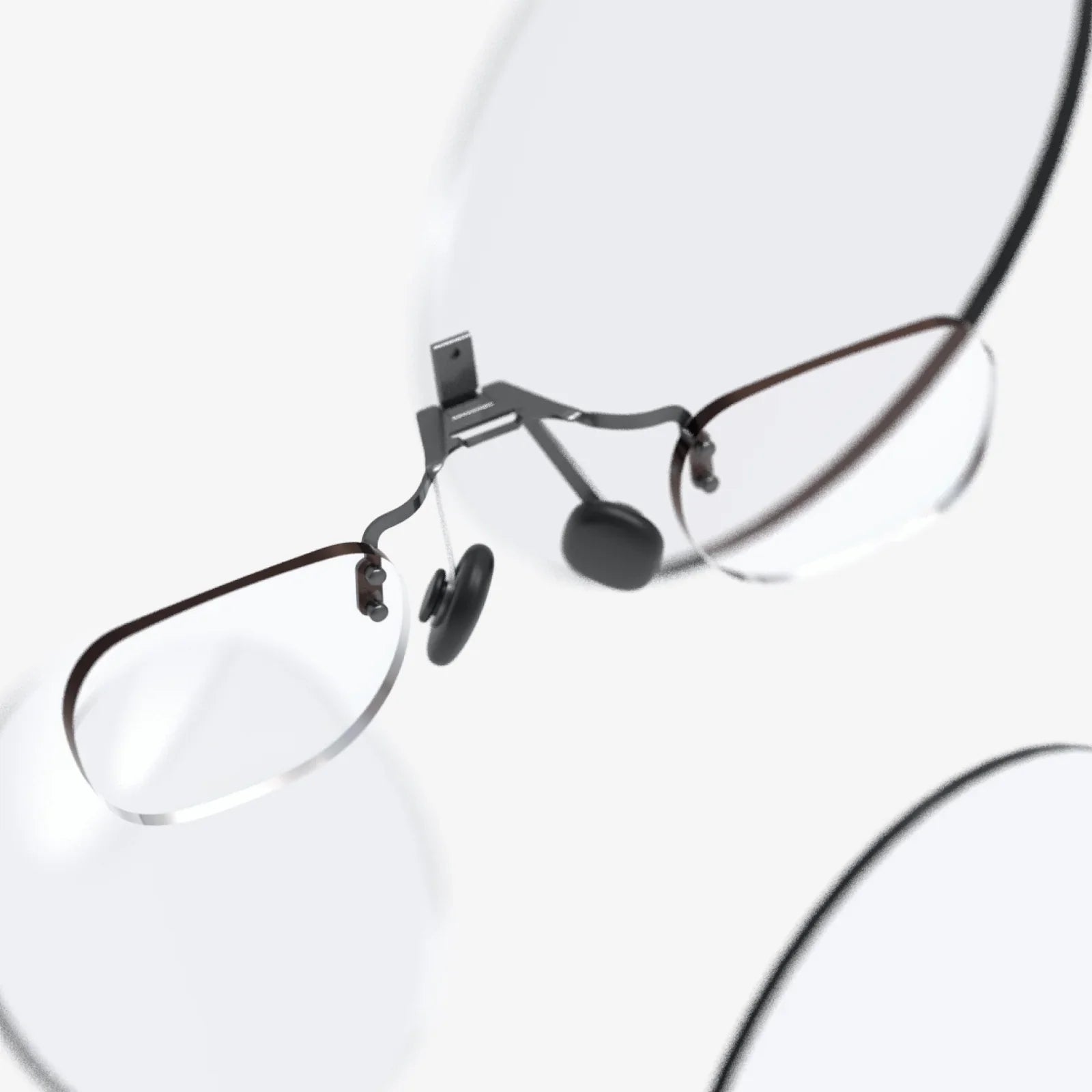
Imagine walking down a sun-drenched street, the world filtered through stylish, protective lenses, while your personal soundtrack or an important podcast plays not in your ears, but as if it’s emanating from the world around you. This isn’t a scene from a science fiction novel; it’s the reality offered by the latest innovation in wearable tech: sunglasses with audio. This groundbreaking convergence of auditory and visual technology is rapidly moving from a niche novelty to a mainstream must-have, promising to untether us from the ubiquitous earbud while enhancing our daily experiences. The fusion of high-quality eyewear with immersive audio is more than just a convenience—it’s a paradigm shift in how we interact with our digital environment and the physical world simultaneously.
The Genesis of a Tech-Infused Fashion Statement
The journey to audio-equipped sunglasses began at the intersection of two powerful trends: the miniaturization of audio technology and the growing demand for multifunctional wearables. For decades, sunglasses have been a staple of both fashion and function, protecting our eyes from harmful UV rays while serving as a key accessory. Meanwhile, personal audio evolved from bulky headphones to discreet earbuds. The logical, yet revolutionary, step was to merge these two everyday items into a single, seamless device. Early attempts were often clunky, sacrificing either audio quality or style. However, advancements in acoustic engineering, particularly in bone conduction and miniature speaker design, finally made it possible to embed powerful audio components into the sleek frames of sunglasses without compromising on form or function. This evolution represents a triumph of design, proving that technology can be integrated into our lives in ways that feel natural and effortless.
How Do They Actually Work? The Magic Behind the Lenses
At first glance, a pair of these tech-savvy shades might look deceptively normal. The magic lies hidden within the arms (or temples) of the frames. There are two primary technological approaches to delivering sound:
Open-Ear Audio Technology
This is the most common and sophisticated method used today. Tiny, powerful speakers are embedded in the arms of the sunglasses, positioned just in front of the ears. These speakers project sound waves directly into the ear canal without actually blocking it. The result is a immersive listening experience that allows ambient environmental noises—like car horns, conversation, or announcements—to remain audible. This technology prioritizes situational awareness, making it significantly safer for outdoor activities like running, cycling, or walking in urban environments compared to noise-isolating earbuds.
Bone Conduction Technology
An alternative method, though less common in sunglasses, is bone conduction. This technology bypasses the eardrum entirely. Miniature transducers in the arms vibrate against the skull bones near the temples, sending these vibrations directly to the cochlea. While effective, this method can sometimes result in a less rich bass response and the sensation of vibrations can be felt by the user. Open-ear audio is generally preferred for its balance of audio fidelity and comfort.
Beyond the speakers, these devices pack a surprising amount of tech into a small space. They typically include:
- Bluetooth Chips: For wireless connectivity to smartphones and other devices.
- Microphones: Often multiple, with beamforming and noise-reduction capabilities for crystal-clear phone calls and voice assistant interaction.
- Batteries: Efficient lithium-ion batteries are discreetly housed within the arms, offering several hours of continuous audio playback on a single charge.
- Touch Controls: Swipe and tap gestures on the arms allow users to play/pause music, adjust volume, skip tracks, and take calls without ever reaching for their phone.
Beyond Convenience: Unlocking a World of Applications
The true value of sunglasses with audio extends far beyond simply listening to music. Their hands-free, open-ear design unlocks a myriad of applications across different aspects of life.
The Active Lifestyle Enhancer
For athletes and fitness enthusiasts, this technology is a game-changer. Runners can enjoy their motivation playlist while remaining fully aware of their surroundings. Cyclists can receive navigation prompts without looking at a phone mount. Golfers can listen to a tutorial on their swing while walking the course. The combination of sun protection and audio motivation, all without the discomfort of sweat-logged earbuds, makes them an ideal companion for any outdoor activity.
The Productivity Powerhouse
Professionals are finding innovative uses for them as well. Imagine taking a conference call while walking between meetings, your hands free to carry a coffee or gesture naturally, all while being protected from the sun. They are perfect for listening to podcasts, audiobooks, or language lessons during a commute, allowing you to absorb information without isolating yourself from the world. For those working in warehouses or on large campuses, they can provide hands-free communication while offering essential eye protection.
Accessibility and Everyday Ease
For individuals who find in-ear headphones uncomfortable or even painful, sunglasses with audio offer a comfortable and effective alternative. They eliminate the hassle of managing two separate devices—you simply put on one device that does two jobs. This simplicity is their greatest strength, streamlining your daily routine and reducing the number of gadgets you need to charge and remember before heading out the door.
Navigating the Considerations: Style, Sound, and Privacy
As with any emerging technology, there are important factors to consider before making a purchase. Understanding these nuances is key to having a positive experience.
Audio Quality and Sound Leakage
While audio technology has advanced dramatically, the open-ear design has inherent limitations. Bass response, in particular, can be less pronounced than in high-quality over-ear or in-ear headphones. Furthermore, at higher volumes, sound leakage can occur, meaning people in very close proximity might be able to faintly hear what you're listening to. This is generally not an issue at moderate volumes in typical environments, but it's a consideration for those who prefer to blast their music in quiet spaces like libraries.
Battery Life: The Trade-Off
All this functionality requires power. Battery life is a crucial specification, typically ranging from 4 to 8 hours of continuous playback. For most daily uses, this is sufficient, but it’s an extra device to add to your charging rotation. It’s important to balance battery life with the weight and size of the frames, as a larger battery often means heavier arms.
Style and Fit
Unlike traditional sunglasses, the tech inside often dictates the form. The arms tend to be slightly thicker to house the components. It’s vital to choose a frame style that not only looks good but also fits securely and comfortably, as the audio quality can be affected if the speakers are not aligned correctly with your ears. Trying them on, if possible, is highly recommended.
The Privacy Factor
Because your ears are uncovered, your conversations on phone calls, while clear for you, are not entirely private. Those nearby can hear your side of the conversation. It’s wise to use them for calls in moderately private settings or when you’re alone.
The Future is Clear (and Sounds Amazing)
The current iteration of sunglasses with audio is impressive, but it’s merely the foundation for what’s to come. Future developments are poised to make them even more integrated into our digital lives. We can expect to see:
- Advanced Augmented Reality (AR): Integration with AR displays that project visual information like directions, notifications, or translations onto the lenses, creating a truly unified audio-visual heads-up display.
- AI-Powered Audio: Smart audio processing that can automatically adjust volume based on ambient noise levels or even enhance and clarify specific sounds, like a conversation partner’s voice in a noisy crowd.
- Biometric Sensors: Incorporating heart rate monitors, UV sensors that measure sun exposure, and other health-tracking capabilities directly into the frames.
- Enhanced Materials: The use of lighter, stronger materials and even more compact battery technology to make the frames indistinguishable from high-end traditional sunglasses.
This technology is not about isolating us from reality with a soundtrack; it’s about enriching our reality by seamlessly blending the digital and physical worlds. It represents a move towards more intuitive, contextual, and unobtrusive technology—wearables that adapt to us, not the other way around. The goal is a device that feels less like a piece of tech and more like a natural extension of our own capabilities.
Stepping into the light with a pair of these sophisticated shades is to experience a new kind of freedom. It’s the freedom of movement, unencumbered by wires or earbuds that need constant adjustment. It’s the freedom of awareness, allowing you to be fully present in your environment while staying connected to your digital world. It’s the effortless synergy of style and substance, where a classic accessory becomes a powerful portal to music, information, and communication. This isn’t just the next trend in consumer electronics; it’s a glimpse into a future where our technology sees, hears, and understands the world right along with us, making every sunlit moment more productive, more entertaining, and infinitely more connected.
Share:
Virtual Reality Desktop Monitor: The Ultimate Guide to Immersive Computing
Virtual Office Space Independence: The Ultimate Guide to Liberating Your Work Life