


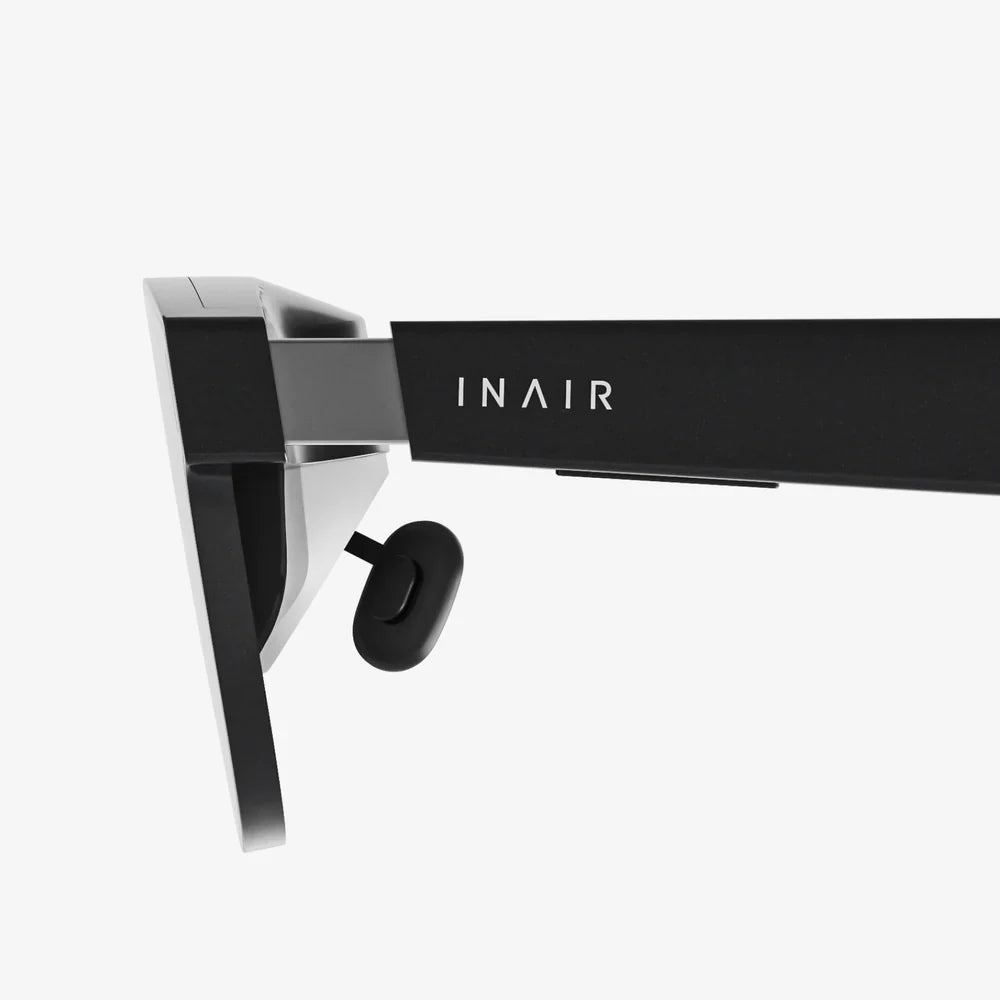
- by wangfred
Super Light VR Headset: The Unseen Revolution Reshaping Digital Reality
- by wangfred
Imagine slipping into a breathtaking digital world, not with the heavy, face-hugging apparatus of science fiction, but with something as effortless and forgettable as putting on a pair of sunglasses. This is no longer a distant dream; it is the imminent reality heralded by the arrival of the truly super light VR headset, a technological marvel poised to shatter the final barriers between humanity and the virtual realm. For years, the promise of virtual reality has been tethered—both literally and figuratively—to the cumbersome nature of its hardware. The future, however, is light, and it is coming for us all.
To fully appreciate the revolution of a super light VR headset, one must first understand the burden of its predecessors. Early generations of hardware were engineering marvels in their own right, packing immense computational power and high-resolution displays into a form factor worn on the head. Yet, this achievement came at a cost: weight. Often exceeding well over half a kilogram, and unevenly distributed at that, these devices introduced a physiological tax on the user experience.
This tax manifested in several critical ways:
This trifecta of problems—physical discomfort, broken immersion, and limited accessibility—defined the first chapter of consumer VR. The technology was incredible, but it was asking too much of its users. The next evolutionary step was not just better screens or sharper graphics; it was a fundamental rethinking of the form factor itself. The race was on to make the hardware disappear.
Creating a device that is both powerful and super light is a feat of multidisciplinary engineering, requiring innovation across every component. It is a complex ballet of material science, optical design, and system architecture.
Gone are the days of thick, injection-molded plastic shells. The quest for lightness has ushered in an era of advanced materials:
Perhaps the most significant leap has come from a radical new lens technology. Traditional Fresnel lenses, while effective, required a significant amount of space between the display and the user's eyes, contributing to a bulkier front section.
The advent of pancake lenses has changed everything. This folded optics design uses a polarization-based system to bounce light multiple times between lenses before it reaches the eye. This allows the light path to be "folded" into a much shorter physical space. The result? The optical stack can be reduced from over 40mm to less than 20mm. This dramatically slashes the size and weight of the front of the headset, bringing the center of mass closer to the face and eliminating the front-heavy feeling that plagued earlier designs.
Engineers have also tackled the problem of weight distribution. Instead of mounting all the heavy components—battery, processing chips—on the front of the headset, new designs employ a balanced architecture.
A common and effective strategy is to house the battery in a separate module at the back of the headstrap. This acts as a counterweight to the front display unit, evenly distributing the overall mass across the head. This simple but brilliant shift moves the center of gravity to a natural point, making the headset feel exponentially lighter than its actual weight would suggest. It transforms the experience from a "face-worn" device to a "head-worn" system.
The impact of a super light VR headset extends far beyond mere comfort. It acts as a catalyst, unlocking new possibilities and redefining the very nature of virtual interaction.
A device that is light and easy to put on or take off ceases to be a dedicated console and starts to become a seamless part of daily digital life. Imagine quickly donning your headset for a five-minute virtual meeting, watching a movie on a giant screen while lying on your back, or playing a casual game without the prelude of setup dread. This frictionless access encourages spontaneous use, integrating VR into the fabric of our social and professional routines rather than isolating it as a scheduled activity.
From a psychological standpoint, the reduction of sensory conflict is profound. When the brain is no longer constantly receiving pressure and weight signals from the face, it is more free to accept the visual and auditory cues of the virtual environment. This reduction in cognitive dissonance is critical for achieving and maintaining a state of deep presence. A super light VR headset doesn't just feel better; it actively works better by getting out of the way of the experience it is creating.
The lightweight revolution throws the doors of VR wide open. It becomes a viable tool for extended training simulations in fields like medicine and engineering, where professionals can learn and practice for hours without fatigue. It becomes accessible for therapeutic uses, such as exposure therapy or physical rehabilitation, for patients who could not have tolerated older hardware. In the enterprise, where adoption has been hindered by cost and complexity, comfort becomes a key feature for workforce training and virtual collaboration.
The development of the super light VR headset is not the end of the road; it is the foundation for the next great leaps in technology. This new form factor is the essential prerequisite for the future we've been promised.
It paves the way for advanced augmented reality (AR) and mixed reality (MR) experiences, where devices must be worn for even longer periods and integrate seamlessly with our perception of the real world. They must be socially acceptable and physically unnoticeable. The lessons learned from creating super light VR are directly applicable to this broader spectrum of spatial computing.
Furthermore, this pursuit of minimalism accelerates progress toward truly wireless and self-contained systems. As components shrink and become more power-efficient, the dream of all-day computing in a glasses-like form factor moves from the realm of fantasy into tangible engineering roadmaps. The super light VR headset is the crucial bridge to that ultimate destination.
We stand at the precipice of a new era, not defined by the power we strap to our faces, but by the experiences we seamlessly inhabit. The super light VR headset is the key that unlocks this door, transforming a novel technology into a natural extension of human curiosity and connection. It promises a world where we are no longer visitors to the virtual realm, but citizens of it, free to explore, create, and collaborate without the anchor of hardware holding us back. The weight has been lifted, and the possibilities are now limitless.
Share:
Android Glasses: The Future of Personal Computing Is on Your Face
Smartphone VR Headset: Your Portal to Immersive Digital Worlds