


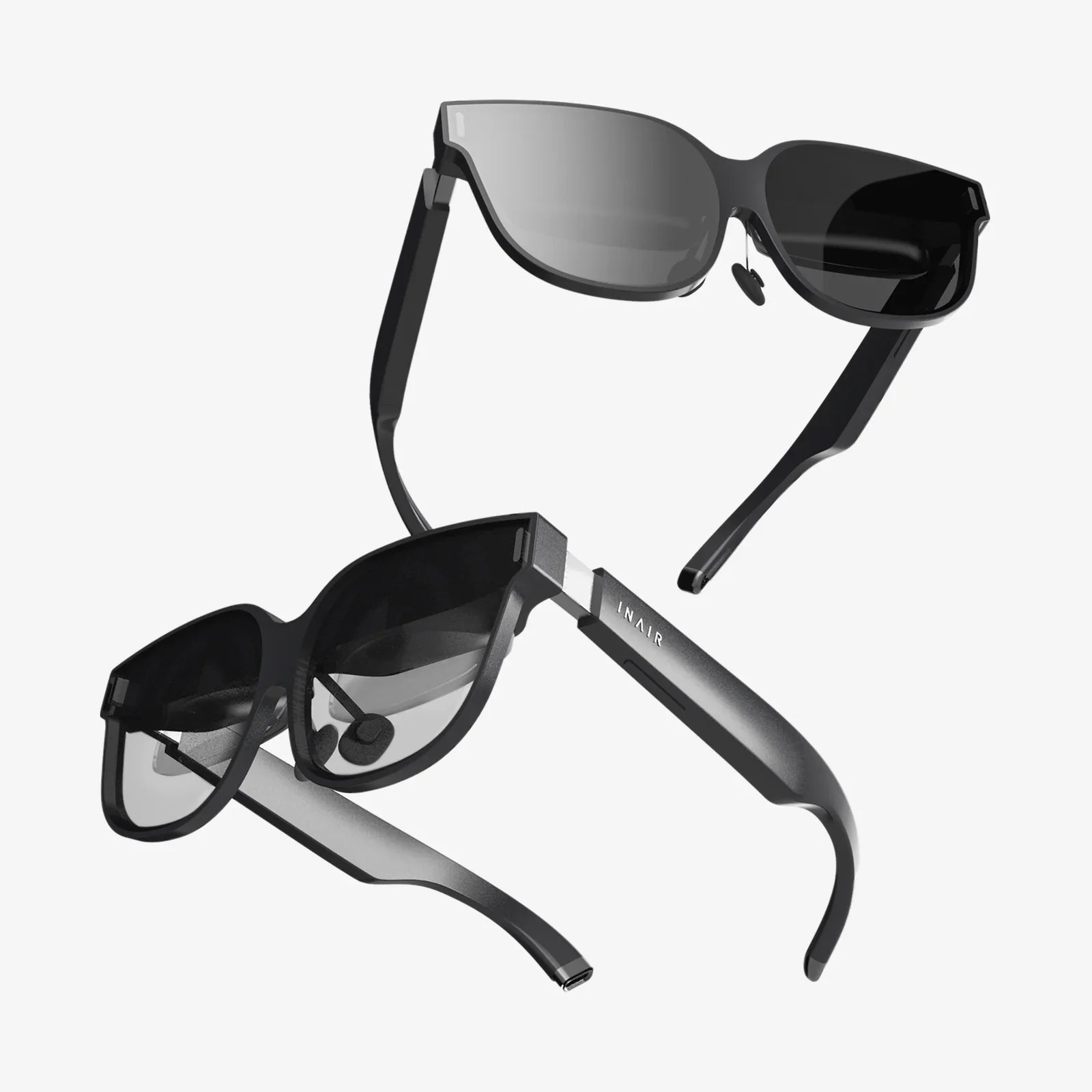
Imagine slipping on a headset and instantly being transported to a concert on Mars, a bustling ancient marketplace, or the depths of the ocean—all from your living room. This is the promise that has captivated millions, but the term 'virtual reality' often feels too sterile, too technical, to capture the profound nature of the experience. It’s a phrase that boxes in a concept that is, by its very nature, boundless. The quest for another word for virtual reality is more than a semantic exercise; it is a journey to find language worthy of the paradigm shift it represents. We are not just building new gadgets; we are constructing new layers of existence, and they demand a new vocabulary.
The Lexicon of Immersion: Beyond the Mundane
The most fitting alternative is synthetic reality. This term elegantly captures the essence of what is being created: a reality that is synthesized, constructed, and assembled by complex algorithms and human ingenuity. Unlike 'virtual,' which can imply a mere imitation or a lesser substitute, 'synthetic' speaks to the act of creation. It acknowledges the artistry and engineering involved in building these worlds, much like a synthetic diamond possesses the same structure and beauty as a natural one, yet is born from a different process. It is a reality, just one forged through code and computation.
Another powerful contender is immersive reality. This phrase places the user's experience at the forefront. The primary differentiator of this technology is its ability to create a sensation of presence—the undeniable feeling of 'being there.' 'Immersive reality' describes the effect rather than the mechanism. It’s about being enveloped and absorbed by the digital environment, losing the conscious awareness of the physical world around you. This term is incredibly effective for describing the subjective, psychological impact of the technology.
Technical Precision and Poetic License
Within research labs and academic papers, you will frequently encounter the term simulated environment. This is a broad, technically accurate descriptor that encompasses everything from flight simulators to vast multiplayer online worlds. It emphasizes the functional aspect: the environment is a simulation, a dynamic model that responds to user input. It is a crucial term for developers and engineers, focusing on the underlying systems that make the experience possible.
For a more poetic and expansive feel, digital realm or cyberspace are often used, though the latter has a distinctly retro-futuristic vibe. These terms evoke a sense of place, a territory that exists within the infrastructure of the digital world. They speak to the notion of journeying into a new frontier, a space with its own rules, geography, and possibilities. It’s less about the hardware on your face and more about the destination it unlocks.
Perhaps the most ambitious and philosophically charged term is consensual hallucination, a phrase popularized by science fiction. It suggests a shared experience of a world that everyone agrees is 'real' for the duration of their presence within it. It highlights the collective and psychological agreement between users to accept the digital world's rules and realities. While not a technical term, it powerfully captures the social and almost magical quality of shared virtual experiences.
The Spectrum of Experience: From AR to XR
The conversation about terminology is further enriched by the entire spectrum of related technologies. Augmented reality (AR) doesn’t create a new world but overlays digital information onto our existing one. A more descriptive term for this is mediated reality or amplified reality, suggesting that our perception of the real world is being enhanced or altered through a computational lens.
Then there is mixed reality (MR), where digital and physical objects co-exist and interact in real-time. An excellent alternative is blended reality, which evokes the seamless integration of these two layers of existence. The ultimate umbrella term that encompasses VR, AR, and MR is extended reality (XR). This is perhaps the most strategic and forward-looking term, positioning the technology not as a replacement for reality, but as an extension of human experience and capability. It speaks to a future where our reality is not a single, fixed state but a flexible and extensible platform.
Why the Right Word Matters
The struggle to find the perfect nomenclature is not trivial. Language shapes perception, and perception drives adoption, investment, and cultural acceptance.
First, it’s about demystifying the technology. Terms like 'synthetic reality' or 'simulated environment' can feel more approachable and less science-fiction than 'virtual reality,' which for decades was relegated to fantasy. More descriptive language helps the general public understand what the technology actually does and feels like.
Second, it’s about defining the market. For businesses and investors, precise language is crucial. 'Extended Reality (XR)' is a powerful industry term because it defines a vast market category beyond just fully immersive headsets. It includes enterprise training software, retail AR apps, and everything in between, creating a larger, more investable ecosystem.
Finally, and most importantly, it’s about capturing the human experience. The goal of this technology is to evoke feelings—awe, connection, excitement, presence. Clinical or overly technical terms can fail to convey this emotional depth. Finding words that resonate on a human level is essential for artists, storytellers, and creators who see these platforms as the next canvas for human expression.
The Future of Our Digital Vocabulary
As the technology evolves, so too will our language for it. We are moving towards a future where the lines between the digital and the physical are not just blurred but are functionally irrelevant. Concepts like the metaverse—a term for a persistent network of shared simulated environments—point toward a future where we may 'inhabit' the digital world as much as the physical one.
In this coming age, we may need entirely new words, unburdened by the prefixes of 'virtual,' 'augmented,' or 'mixed.' We might simply talk about 'the reality engine' or 'the experience layer.' We might refer to different 'planes' of existence or 'digital twins' of ourselves. The language will evolve to reflect a world where our reality is not a given, but a choice—a customizable, personal, and shared experience.
The search for another word for virtual reality is, therefore, a sign of the technology's maturity and its deepening integration into the fabric of society. We are moving beyond the novelty of the gadget and beginning to grapple with the profound implications of what it means to create, share, and inhabit realities. We are not just users of a technology; we are pioneers of a new frontier of human experience, and we are slowly, thoughtfully, building the language to describe it. The next time you step into one of these breathtaking synthetic worlds, consider the power of the words you use to describe it—they are the first tools we have to shape what this future will become.
Share:
How Would You See Virtual Reality in the Future: A Glimpse Into the Next Digital Epoch
Dimensions of a Digital Workplace Are the Blueprint for Modern Business Success