


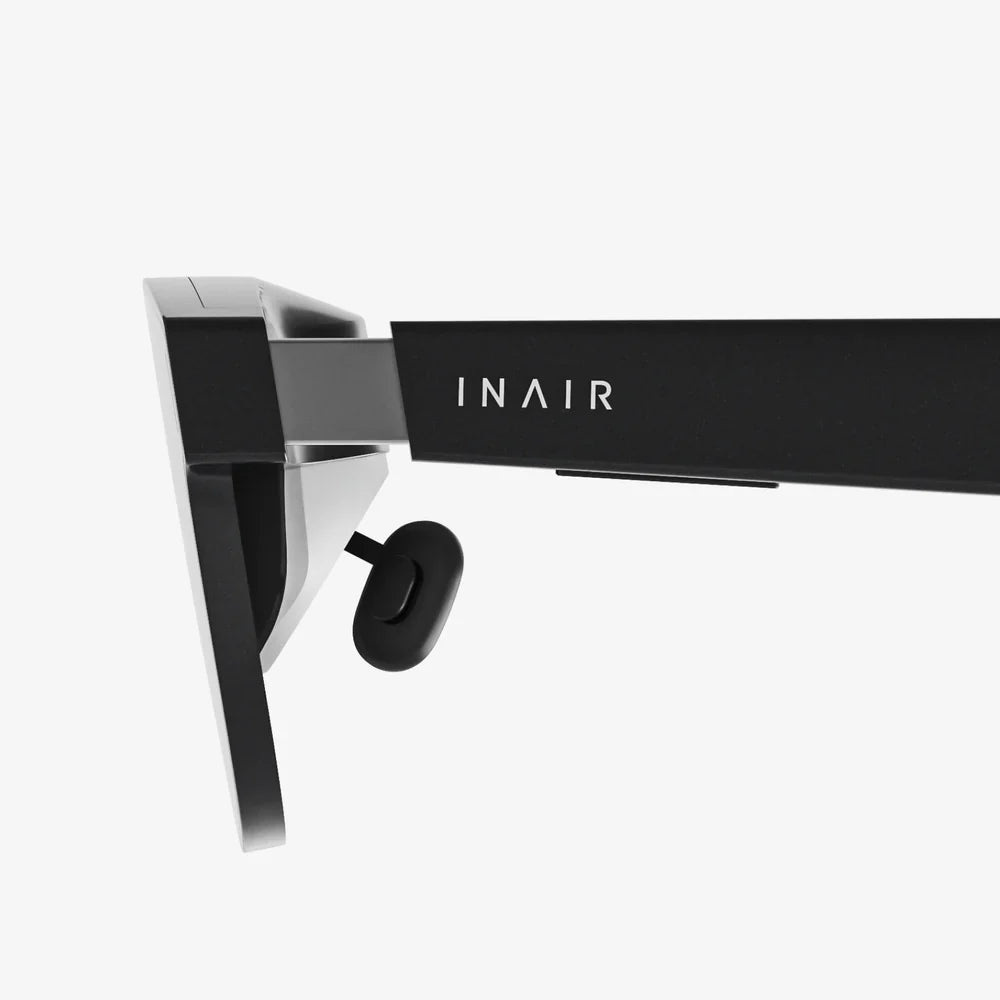
Imagine a world where information flows as effortlessly as a conversation, where digital assistance is woven into the very fabric of your perception, and the boundary between the physical and digital realms begins to blur into irrelevance. This is not a distant science fiction fantasy; it is the imminent future being shaped by the convergence of advanced artificial intelligence and next-generation mobile connectivity, a future being unlocked by innovations like AI-powered smart glasses. The entry of a major mobile network operator into this arena is a definitive signal that the age of ubiquitous, ambient computing is upon us, promising to untether us from our screens and redefine human-machine interaction forever.
The Evolution of Wearable Technology: From Novelty to Necessity
The journey to sophisticated AI glasses has been a long and iterative one. Wearable technology began with simple fitness trackers, devices focused on a single data point—movement. These evolved into smartwatches, which offered a more comprehensive health dashboard and a convenient notification system on our wrists. They were a step towards a more integrated digital life, but they still required a user to look down, to disengage from their environment to engage with their data. Then came the first generation of smart glasses. Early attempts were often clunky, aesthetically questionable, and limited in functionality, primarily focusing on capturing photos and video or projecting a small, monochrome display. They were pioneers, but they failed to capture the mainstream imagination due to technological constraints and social awkwardness.
The missing ingredients were powerful, real-time artificial intelligence and pervasive, high-speed, low-latency connectivity. AI allows the device to understand context, process natural language, and provide proactive assistance. Connectivity, particularly robust 5G networks, provides the pipeline for offloading complex computational tasks to the cloud, enabling these lightweight glasses to perform feats that would otherwise require a supercomputer in your frame. This powerful combination is what makes the current wave of AI glasses, particularly those championed by connectivity leaders, fundamentally different and more compelling than their predecessors.
Beyond the Screen: The Philosophy of Ambient Computing
At the core of advanced AI eyewear is a concept known as ambient computing. Unlike the immersive computing of virtual reality headsets, which seek to replace your reality, or the interruptive computing of smartphones, which demand your attention, ambient computing is designed to be... ambient. It exists in the background, enhancing your reality without seizing focus. It’s the idea that technology should serve you contextually and disappear when not needed.
AI glasses are the perfect vessel for this philosophy. They can overlay useful information onto your world—translations of foreign street signs, the name of a person you’re meeting, navigation arrows painted onto the street itself—without forcing you to open an app. They can listen to a conversation and instantly provide a summary or action items. They can identify objects, plants, or landmarks simply by you looking at them. This shifts the paradigm from pulling information from a device to having it pushed to you intuitively and seamlessly, all while keeping your eyes up and your hands free. It’s a move from a tool you actively use to an intelligent agent you passively coexist with.
The Power of the Network: Why a Mobile Operator's Role is Crucial
The vision of always-available, intelligent assistance lives and dies on the strength of the network. This is why the involvement of a telecommunications giant is so significant. For AI glasses to function as intended, they require a constant, high-bandwidth, low-latency connection to the cloud. This is where the vast processing power of AI models resides.
- Real-Time Translation: A spoken sentence must be captured, sent to the cloud, translated by a powerful AI model, and the translated audio sent back to the glasses (or to the listener's own device) almost instantaneously. Any lag destroys the natural flow of conversation.
- Visual Search and Recognition: A high-resolution video feed from the glasses' cameras must be transmitted, analyzed by image recognition algorithms, and the results sent back—all in the time it takes for a user to glance at an object and ask, "What is that?"
- Seamless Streaming and Sharing: The ability to live-stream a point-of-view video or share a moment with zero buffering is a network-intensive task that leverages high-speed 5G or 4G LTE networks.
Without a superior network, these experiences become frustrating and unusable. A mobile operator's deep infrastructure ensures that the glasses can leverage the best possible connection, whether it's a low-band 5G network for wide coverage or a high-band millimeter-wave node for massive capacity in dense urban areas. They can also deeply integrate the device's connectivity, perhaps offering seamless number sharing with a user's primary smartphone plan, ensuring it's always online without managing a separate subscription.
A World of Use Cases: Transforming Industries and Daily Life
The potential applications for AI glasses powered by robust connectivity extend far beyond a tech enthusiast's gadget. They promise to revolutionize how we work and navigate our daily lives.
Professional and Industrial Applications
In fields where hands-free operation is critical, AI glasses are a game-changer. A field engineer repairing a complex machine can have schematics and instruction manuals displayed in their periphery while keeping their hands on the tools. They can live-stream their view to a remote expert who can then annotate the engineer's real-world view with arrows and notes to guide the repair. A healthcare professional could have a patient's vital signs and medical history displayed discreetly during a consultation. In logistics and warehousing, workers can see optimal picking routes and inventory information overlaid on the shelves, dramatically increasing efficiency and accuracy.
Accessibility and Inclusion
The impact on accessibility could be profound. For individuals with visual impairments, AI glasses could describe scenes, identify currency, read text aloud from any surface, and recognize faces. For those who are hard of hearing, real-time transcription of conversations could be displayed directly within their field of vision, making group discussions infinitely more accessible. This technology has the power to break down barriers and create a more inclusive world.
Travel and Navigation
For travelers, AI glasses could act as the ultimate guide. They can translate menus and signs in real-time, provide historical context about a monument you're viewing, and offer turn-by-turn navigation that is literally painted onto the street in front of you, eliminating the need to constantly look down at a phone map.
Content Creation and Social Connection
The ability to capture photos and video from a first-person perspective is incredibly powerful for content creators, journalists, and everyday users who want to share their experiences more immersively. The hands-free nature makes it ideal for capturing life's moments without the barrier of a device.
Navigating the Inevitable Challenges: Privacy, Design, and Social Acceptance
For all their promise, the path to widespread adoption of AI glasses is fraught with significant challenges that must be thoughtfully addressed.
The Privacy Paradox
This is the single biggest hurdle. A device that has cameras, microphones, and sensors, and is worn on your face, is a privacy advocate's nightmare. The potential for surreptitious recording is immense. Manufacturers and network providers must build privacy into the core of the product. This requires clear physical indicators like a prominent recording light that cannot be disabled, intuitive voice controls that require explicit commands (e.g., "Okay, glasses, record a video"), and robust data encryption both on the device and during transmission. Transparency about what data is collected, how it is processed (on-device vs. in the cloud), and who has access to it is non-negotiable. Social acceptance will be entirely dependent on the industry earning the public's trust on this critical issue.
The Fashion Factor
Technology that is worn on the face must be fashionable. People will not adopt a device that makes them look awkward or robotic. The design must be lightweight, comfortable, and available in a variety of styles that appeal to different tastes. Ideally, they should be indistinguishable from regular high-end eyewear. Partnerships with established fashion and eyewear brands will be essential to overcome the stigma of early prototypes.
Battery Life and Performance
Performing constant AI processing and maintaining a high-bandwidth cellular connection is incredibly power-intensive. Maximizing battery life without adding significant weight to the frames is a major engineering challenge. Solutions may involve a combination of efficient on-device processing for simple tasks, optimized cloud offloading, and perhaps an external battery pack that can be discreetly stored in a pocket.
The Future is Framed: What Lies Ahead
The development of AI glasses is following a trajectory similar to that of the smartphone. The first generation will establish the foundational technology and prove the concept. Subsequent iterations will refine the design, extend battery life, and, most importantly, expand the ecosystem of applications and services built specifically for this new platform. We will see developers creating immersive AR games that transform your living room, new forms of social media based on shared point-of-view experiences, and enterprise software that revolutionizes remote collaboration.
The long-term vision is a device that eventually replaces your smartphone, your watch, and your laptop—a single, intelligent agent that you wear, serving your every digital need contextually and effortlessly. The fusion of AI and cellular connectivity in this form factor is the next logical step in our relentless pursuit of more intuitive and powerful technology.
We stand at the precipice of a new computing revolution, one that will unfold not in our hands, but before our eyes. The convergence of intelligent software and ubiquitous high-speed networks is set to dissolve the last remaining barriers between our digital and physical selves, offering a glimpse of a future where technology doesn't demand our attention but effortlessly amplifies our human experience. The question is no longer if this future will arrive, but how quickly we will adapt to—and embrace—a world seen through a new, intelligent lens.
Share:
What Are the Best AR Glasses Right Now? A Deep Dive into the Current Landscape
Interactive Video Animation: The Ultimate Guide to Engaging Modern Audiences