


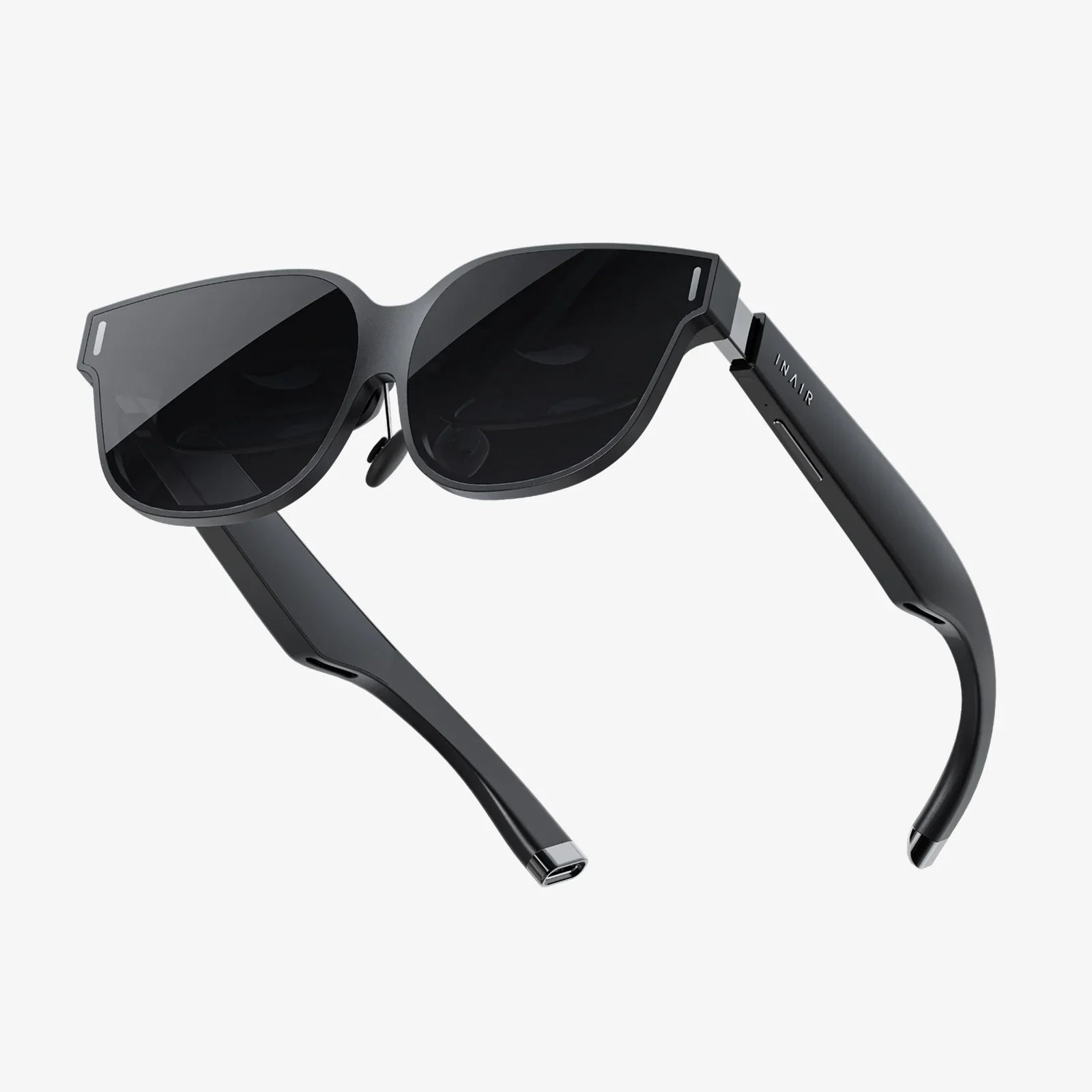
Imagine a world where your entire digital life—your messages, your maps, your entertainment, your deepest memories—is projected not on a screen you hold, but onto the very world you see. A world where information is overlaid on reality, where your vision can be enhanced, your health monitored, and your environment interactively annotated, all through a device as unobtrusive and familiar as a contact lens. This is the breathtaking promise of technology contact lenses, a frontier of innovation that is rapidly transitioning from the realm of science fiction into tangible, laboratory-tested reality. These are not mere incremental improvements to wearable tech; they represent a fundamental shift towards truly ubiquitous and intimate computing, offering a glimpse into a future where the line between human and machine becomes beautifully, and perhaps disconcertingly, blurred.
The Building Blocks of a Visionary Technology
The concept of embedding technology into a contact lens is a monumental engineering challenge. It requires the integration of micro-scale components—some thinner than a human hair—onto a soft, flexible, and biocompatible polymer that must sit comfortably on the sensitive surface of the eye. The core technologies converging to make this possible represent a tour de force in modern miniaturization and materials science.
At the heart of most designs lies a micro-LED or laser-based display system. This incredibly tiny projector, embedded within the lens material, is designed to beam information directly onto the retina. To be effective, this system must be paired with an optical system that can focus this projected light, ensuring the augmented images appear sharp and clear regardless of the user's own vision or where they are looking. This often involves sophisticated micro-lenses or waveguides that channel light with extreme precision.
Powering these components is another significant hurdle. Early prototypes have experimented with wireless power solutions, such as radio frequency (RF) harvesting, where energy is transmitted safely through the air to a miniature antenna on the lens. Another avenue is bio-energy harvesting, exploring ways to convert the body's own energy—perhaps from the electrochemical potential of tears or the subtle heat of the eye—into usable electricity. Integrated micro-batteries, while challenging due to their chemical composition, are also a subject of intense research, with a focus on making them ultra-thin, flexible, and safe for ocular use.
Furthermore, these lenses are being designed as sensor platforms. They can incorporate a multitude of microscopic sensors to monitor physiological data. A glucose sensor, for instance, uses a miniaturized electrochemical cell that reacts with the glucose molecules in the tear fluid, providing diabetics with a continuous, non-invasive way to track blood sugar levels. Other sensors could monitor intraocular pressure for glaucoma patients, track biomarkers for early disease detection, or even measure lactate levels for athletes. To process the data from these sensors and the display, a rudimentary microcontroller and antenna for wireless data transmission are also incorporated, creating a self-contained system that can communicate with a paired smartphone or other external device.
Beyond Sci-Fi: Practical and Life-Changing Applications
While the futuristic appeal of augmented reality displays captures the imagination, the most immediate and profound impact of technology contact lenses will likely be in the field of medicine. The eye, as a window to the body, offers a uniquely accessible source of physiological data through tear fluid.
Revolutionizing Healthcare
The potential to liberate diabetics from the painful and frequent finger-prick blood tests is a primary driver of this research. A smart lens capable of providing real-time, continuous glucose monitoring would represent a monumental leap in quality of life and disease management. It could alert the user to dangerous highs or lows before they become symptomatic, and the data could be shared instantly with a physician or loved one. Similarly, for individuals with glaucoma, a leading cause of irreversible blindness, a smart lens could provide constant monitoring of intraocular pressure, allowing for optimized treatment plans and early intervention to prevent optic nerve damage. The applications extend to monitoring drug levels in the body, detecting early signs of cancers or autoimmune diseases through specific tear biomarkers, and providing unprecedented datasets for medical research.
Augmenting Human Capability
Beyond medical diagnostics, the augmentation of human sight and cognition presents a paradigm shift in how we interact with information. Imagine a photographer seeing a live histogram and exposure level overlaid on their scene; a mechanic seeing a wiring diagram superimposed on the engine they are repairing; or a student learning a new language seeing translations of street signs and menus in real-time. Navigation could be transformed, with directional arrows and points of interest painted onto the road ahead, hands-free. For individuals with visual impairments, the technology could enhance contrast, highlight obstacles, recognize faces, and read text aloud, effectively acting as a sophisticated visual aid.
The Ultimate Wearable Interface
In the consumer realm, technology contact lenses promise the ultimate form of ubiquitous computing. They could replace smartphones, watches, and headsets, offering a private, always-available screen. Checking the weather, reading a message, or taking a photo could be accomplished with a simple voice command or a blink. The implications for gaming and entertainment are staggering, offering fully immersive experiences without the bulk of a headset. The seamless integration of digital content into our physical perception could redefine social interaction, telepresence, and access to knowledge, creating a world where information is contextually and instantly available based on what we are looking at.
The Other Side of the Lens: Ethical and Social Challenges
This powerful technology does not arrive without significant risks and profound ethical questions. The very intimacy of the device—its placement on the eye and its direct interface with our visual perception and biological data—raises stakes far higher than those of any previous consumer gadget.
Privacy in an Augmented World
The data collection capabilities of a smart lens are unprecedented. It could record everything the user sees, monitor unconscious biological reactions to advertisements or people, and track attention and focus. The question of who owns this data, how it is stored, and how it can be used is paramount. The potential for constant surveillance, either by corporations or governments, is a dystopian threat that must be addressed with robust legal and technical safeguards. The concept of "ocular surveillance"—the ability to record video discreetly—introduits serious concerns about consent and privacy in public and private spaces.
Security and Safety
A device connected to the internet and placed on the eye is a vulnerable endpoint. A hacked lens could be used to display disorienting or harmful imagery, potentially causing physical distress or even seizures. It could be used to phish for personal information by displaying fake login screens over real apps. The consequences of a security breach are not just digital but physical and psychological. Furthermore, the long-term physiological effects of having electronics and sensors so close to the eye are not fully understood, necessitating exhaustive testing for biocompatibility, heat generation, and UV protection.
Humanity and Accessibility
There is a deeper, philosophical concern about the impact on human experience. Will constant access to a digital overlay erode our ability to be present in the moment, to appreciate unadorned reality, or to form genuine memories? Could it create a new societal divide between those who can afford "enhanced" vision and those who cannot? The potential for advertising to be injected directly into our field of view is a marketer's dream but could become an unbearable intrusion, polluting our visual landscape. Establishing norms and etiquette for their use will be a complex social challenge.
The Road Ahead: From Prototype to Mainstream
The journey from a laboratory prototype to a safe, reliable, and commercially available product is long and fraught with challenges. Current iterations are still in the proof-of-concept stage, often demonstrating one core function, like sensing or a single-pixel display, but not yet the full suite of features needed for a consumer product.
The primary obstacles remain power consumption, miniaturization, and biocompatibility. Creating a lens that can operate for a full day on a single charge, with all its components safe for long-term ocular contact, is the holy grail. Regulatory hurdles, particularly from bodies like the FDA, will be significant, requiring years of clinical trials to prove safety and efficacy, especially for medical applications. Manufacturing these complex devices at scale, with the required precision and yield, is another immense challenge that the industry must overcome.
Despite these hurdles, progress is accelerating. Major investments from tech giants and nimble startups alike are fueling rapid innovation. We can expect to see the first generation of technology contact lenses to be single-purpose medical devices, likely available within the next five to ten years. More sophisticated augmented reality lenses for consumer use will follow, but their path to mainstream adoption will be longer, dependent on overcoming the core challenges of power, display clarity, and user interface design.
The true future may not lie in a single, all-powerful lens, but in a modular ecosystem. Users might have different lenses for different purposes: a medical lens for health monitoring, a display-focused lens for work and entertainment, and a simple vision-correcting lens for rest. This future is not a distant dream but a foreseeable reality, one that will arrive piece by piece, function by function, until the technology becomes as mundane and essential as the smartphone is today.
The era of staring at a handheld rectangle is drawing to a close, soon to be replaced by a world where your reality is your interface. Technology contact lenses are the key that will unlock this world, offering a fusion of human and machine that will redefine our capabilities, challenge our ethics, and forever change what it means to see. The question is no longer if this future will arrive, but how quickly we can prepare for the immense possibilities and profound responsibilities it will place, quite literally, before our eyes.
Share:
Eye Glasses with Earphones: The Ultimate Fusion of Vision and Sound
AR Media Player for PC: The Ultimate Guide to Immersive Entertainment and Productivity