


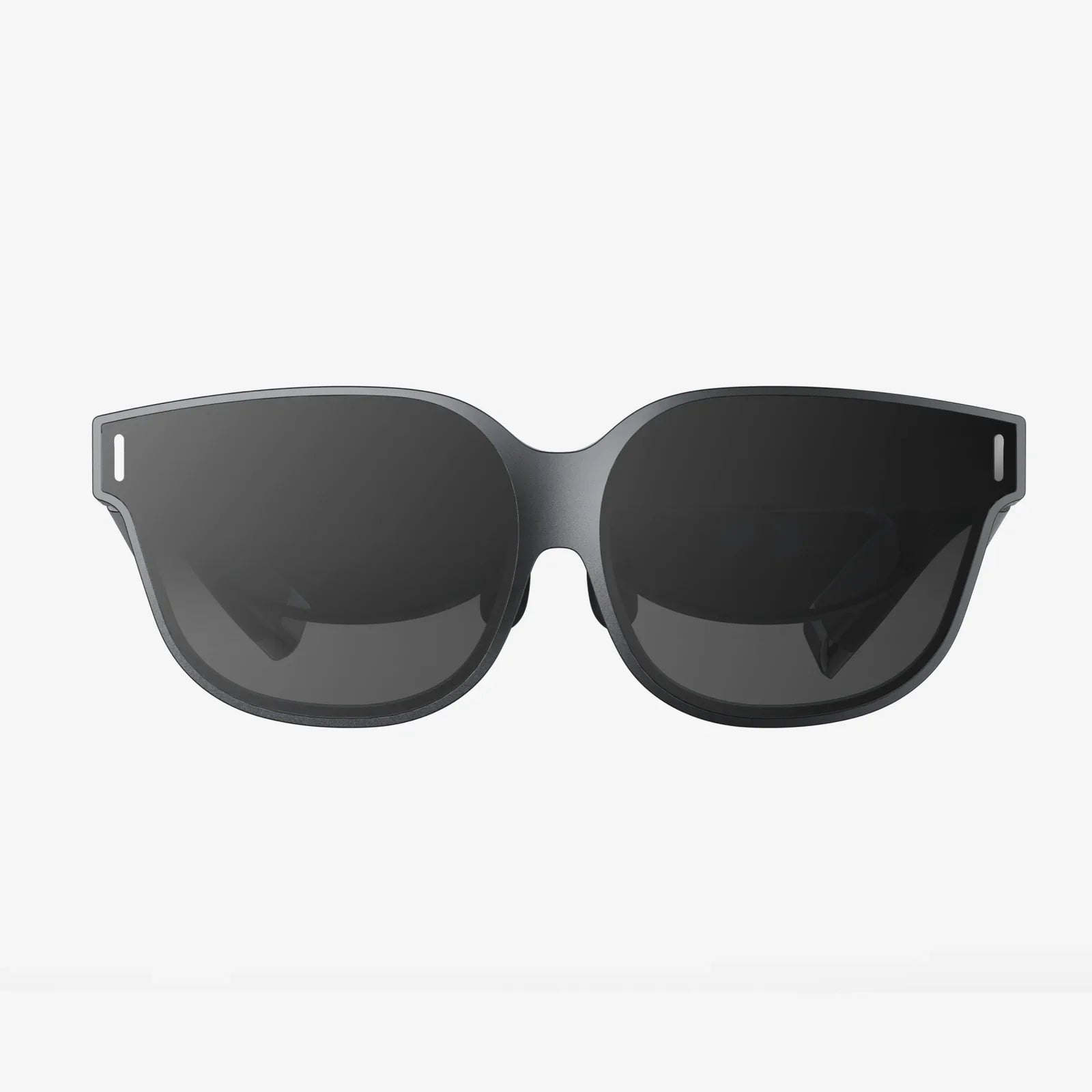
Technology glasses are quietly becoming the next big screen in your life, and they sit right on your face. What started as a niche gadget for early adopters is rapidly evolving into a powerful blend of eyewear, smartphone, health tracker, and personal assistant. If you have ever wished your world could display helpful information without you reaching for your phone, or dreamed of subtler, more natural ways to interact with digital content, technology glasses are closer than you think.
Far beyond simple blue-light filters or stylish frames, modern technology glasses merge optics, electronics, sensors, and software into a single wearable device. They promise hands-free navigation, real-time translation, health monitoring, and immersive entertainment, all while looking more and more like ordinary eyewear. Understanding how they work, what types exist, and how they may reshape work, play, and health can help you decide whether this emerging category belongs in your daily life.
What Are Technology Glasses?
Technology glasses are eyewear that integrate digital components such as micro-displays, cameras, microphones, speakers, sensors, and wireless connectivity into a pair of glasses. Their core purpose is to extend your visual and interactive capabilities without forcing you to stare at a handheld screen.
Unlike traditional glasses, which only correct or protect vision, technology glasses can overlay digital information onto your field of view, play audio, track your activity, or interact with other devices. Some models are focused on subtle, notification-style information, while others provide immersive augmented reality experiences.
Key Features Commonly Found In Technology Glasses
- Micro-displays or projection systems that show text, symbols, or images.
- Audio output via speakers or bone conduction for discreet listening.
- Microphones for voice commands and calls.
- Sensors such as accelerometers, gyroscopes, ambient light sensors, and sometimes heart rate or temperature monitors.
- Wireless connectivity like Bluetooth and Wi-Fi to pair with phones and networks.
- Onboard computing to process input and run applications.
These components are carefully integrated into frames and temples so that the glasses remain wearable for extended periods. The overall experience aims to feel natural, intuitive, and minimally intrusive.
Types Of Technology Glasses
Technology glasses are not a single category; they span several types, each designed for different use cases and levels of immersion.
Smart Glasses For Notifications And Utility
Many technology glasses are designed to display small snippets of information such as messages, navigation prompts, or calendar alerts. They often look similar to regular eyewear and prioritize comfort and subtlety over full augmented reality immersion.
These glasses may show a small floating screen in your peripheral vision or project a simple interface onto one lens. The idea is to reduce the need to constantly check a smartphone while still keeping you informed.
Augmented Reality Glasses
Augmented reality (AR) technology glasses overlay digital content onto the real world. Instead of a tiny notification, you may see 3D models, directional arrows on the street, labels over real objects, or interactive menus that appear to float in space.
AR glasses are often used in fields like engineering, medical training, logistics, and design. They can guide workers through complex tasks, provide real-time instructions, or visualize data directly on equipment or environments.
Mixed Reality And Spatial Computing Glasses
Some advanced technology glasses go beyond simple overlays and allow digital objects to interact with the physical world. These are often referred to as mixed reality or spatial computing devices.
They use sensors to map the environment, track your head and hand movements, and keep virtual content anchored to real-world surfaces. This enables applications like collaborative 3D design, advanced simulation, and interactive training.
Audio-Focused And Health-Focused Glasses
Not all technology glasses emphasize visual displays. Some prioritize audio experiences, integrating speakers or bone conduction transducers into the temples. These allow you to listen to music, take calls, and interact with voice assistants while keeping your ears open to the environment.
Other models focus on health and wellness, including features like activity tracking, posture monitoring, or even biometric sensing. They can provide subtle reminders to move, adjust your posture, or take breaks from screens.
How Technology Glasses Work
To understand why technology glasses are so transformative, it helps to know the basics of how they function. The core components collaborate to create an experience that feels integrated into your everyday vision.
Display Technologies
The display is the heart of many technology glasses. Several approaches are used:
- Waveguide displays: Light from a tiny projector is guided through a transparent lens and directed into your eye, creating a floating image that appears at a comfortable distance.
- Micro-OLED or micro-LED displays: Extremely small, high-resolution screens are placed close to the eye and viewed through optical elements that focus the image.
- Reflective or holographic combiners: Semi-transparent mirrors or holographic layers reflect digital images while letting real-world light pass through.
These technologies are designed to be bright enough to see in daylight while remaining transparent enough to avoid obstructing your view.
Sensors And Tracking
To place digital content accurately in your field of view, technology glasses rely on sensors:
- Accelerometers and gyroscopes track head orientation and movement.
- Ambient light sensors adjust brightness for comfort and readability.
- Cameras can capture the environment for AR, photography, or video calling.
- Proximity and touch sensors detect interactions with the frame or lenses.
More advanced models may include depth sensors or multiple cameras to map the environment in three dimensions, enabling more precise AR experiences.
Input Methods
Interacting with technology glasses can happen in several ways:
- Voice commands allow hands-free control of apps and functions.
- Touch controls on the temples let you swipe or tap to navigate menus.
- Gesture recognition uses cameras or sensors to detect hand movements.
- Head movements can be used to select or scroll through content.
These methods are often combined to create a more natural and flexible interaction model, reducing reliance on traditional keyboards and touchscreens.
Connectivity And Processing
Technology glasses usually connect to smartphones or other devices via Bluetooth or Wi-Fi. Some models include onboard processors powerful enough to run apps independently, while others rely on a paired device for heavy computation.
Cloud connectivity enables features like real-time translation, navigation, and access to online content. Local processing handles tracking, display rendering, and basic interactions to minimize latency and maintain responsiveness.
Benefits Of Technology Glasses In Everyday Life
The appeal of technology glasses lies in their ability to blend digital information into the flow of daily activities without demanding your full attention. This can enhance efficiency, safety, and convenience.
Hands-Free Access To Information
One of the biggest advantages is the ability to see information without reaching for a phone. Directions, notifications, reminders, and contextual data can appear in your field of view while your hands remain free.
Imagine walking through a city and seeing subtle arrows guiding you to your destination, or glancing at a notification without breaking your stride. This can reduce distractions and help you stay more present in your surroundings.
Improved Productivity At Work
In professional environments, technology glasses can streamline workflows. Workers can access manuals, checklists, or schematics directly in their vision while working on physical tasks.
Field technicians may see step-by-step repair instructions overlaid on machinery. Warehouse staff can view picking lists and optimized routes through aisles. Medical personnel can access patient data or imaging while keeping their hands sterile and focused on the patient.
Enhanced Communication And Collaboration
Technology glasses can support remote collaboration by sharing what the wearer sees with colleagues or experts in other locations. This enables real-time guidance, training, and problem-solving.
For example, a less experienced worker can wear technology glasses while a remote expert views the live feed and provides instructions. This reduces travel, speeds up troubleshooting, and spreads expertise more efficiently.
Health, Fitness, And Well-Being
With integrated sensors and connectivity, technology glasses can support health and wellness goals. They can track steps, monitor posture, or remind you to take breaks and hydrate.
Some models can show subtle prompts to look away from screens, relax your eyes, or stretch after extended periods of sitting. Over time, these small nudges can contribute to better long-term health habits.
Safer Navigation And Outdoor Activities
For pedestrians, cyclists, or drivers, technology glasses can display navigation cues without forcing you to look down at a device. This can help maintain awareness of the environment while still benefiting from guidance.
Outdoor enthusiasts can use technology glasses to view maps, altitude, or route information while hiking or running. Weather alerts, hazard warnings, and performance metrics can appear without interrupting the activity.
Entertainment And Media Through Technology Glasses
Entertainment is another area where technology glasses are poised to have a major impact. They can create more immersive, personal, and context-aware experiences.
Immersive Viewing Anywhere
Some technology glasses can simulate a large virtual screen in front of you, allowing you to watch videos, play games, or view content privately. This can be especially appealing during travel or in shared spaces where a big physical screen is impractical.
Because the screen is virtual, you can adjust its apparent size and distance for comfort. The experience can feel like having a portable cinema that fits in your pocket.
Interactive And Location-Based Experiences
Augmented reality technology glasses can turn the world into an interactive canvas. Museums can overlay additional information, animations, or historical reconstructions onto exhibits. Tourist sites can provide guided tours with visual highlights and narrative overlays.
Games can blend digital characters and objects into real environments, encouraging physical movement and exploration. This type of entertainment can be more engaging and active than traditional screen-based experiences.
Challenges And Limitations Of Technology Glasses
Despite their promise, technology glasses still face significant challenges. Understanding these helps set realistic expectations and highlights areas where innovation is still needed.
Battery Life And Comfort
Packing displays, processors, and sensors into a lightweight frame is difficult. Power-hungry features like bright displays and continuous tracking can drain batteries quickly.
Manufacturers must balance battery size with comfort and aesthetics. Bulky frames may provide longer usage but be less appealing to wear all day. Users need to consider how long they expect to wear the glasses and what features they prioritize.
Display Quality And Eye Strain
Creating a bright, sharp, and comfortable image in a transparent lens is technically complex. Poorly designed optics can cause eye strain, focus issues, or visual artifacts.
Field of view is another limitation. Many technology glasses display content in a relatively small portion of your vision. While this is adequate for notifications and simple overlays, it may feel restrictive for immersive applications.
Privacy And Social Acceptance
Technology glasses often include cameras and microphones, which can raise privacy concerns. People around the wearer may worry about being recorded without their knowledge.
Social acceptance is still evolving. While designs are becoming more discreet, some individuals may feel uncomfortable interacting with someone wearing technology glasses, especially in sensitive environments like classrooms or private meetings.
Software Ecosystem And Compatibility
The value of technology glasses depends heavily on the software ecosystem. Without useful apps and seamless integration with existing services, the hardware alone cannot deliver a compelling experience.
Compatibility with smartphones, operating systems, and productivity tools is crucial. Users should consider whether their preferred apps and services support or plan to support technology glasses.
Choosing The Right Technology Glasses
If you are considering adopting technology glasses, several factors can guide your decision. The right choice depends on your goals, environment, and comfort preferences.
Clarify Your Primary Use Cases
Start by identifying what you want technology glasses to do for you:
- Do you want quick access to notifications and navigation?
- Are you interested in professional applications like remote assistance or training?
- Is entertainment and media consumption your priority?
- Do you need health and fitness tracking features?
Different models specialize in different areas. A pair optimized for subtle notifications may not deliver the immersive AR experience required for industrial training, and vice versa.
Evaluate Comfort And Design
Since technology glasses are worn on the face, comfort is critical. Consider:
- Weight: Lighter frames are better for long-term wear.
- Balance: The distribution of weight between the front and temples affects how they feel.
- Nose pads and temples: Adjustable components can improve fit.
- Style: Glasses that resemble regular eyewear may feel more socially acceptable.
If possible, trying on different designs can reveal how they feel during extended use, especially if you already wear prescription lenses.
Consider Display And Audio Needs
Think about how you will consume information:
- If you mainly need notifications, a small, discreet display may be enough.
- For media viewing, look for higher resolution and a larger virtual screen.
- If you prefer audio prompts and voice interaction, prioritize audio quality and microphone performance.
Some users may even prefer technology glasses without visual displays, focusing on audio and health features instead.
Battery Life And Usage Patterns
Battery life can vary widely. Ask yourself:
- Will you wear the glasses all day or only during specific activities?
- How often can you recharge them during the day?
- Which features are essential, and which can be disabled to save power?
Understanding your daily routine can help you choose a model whose battery performance matches your lifestyle.
Privacy Controls And Transparency
Because technology glasses can capture audio and video, it is important to understand their privacy controls. Look for:
- Visible indicators when recording or streaming.
- Easy ways to disable cameras and microphones.
- Clear settings for data storage and sharing.
Being transparent with people around you about when and how you use these features can help build trust and reduce misunderstandings.
Future Trends In Technology Glasses
The evolution of technology glasses is accelerating. Several trends suggest how they may develop in the coming years and how they might blend even more seamlessly into everyday life.
Slimmer Designs And Mainstream Fashion
Advances in components and manufacturing are enabling thinner lenses, smaller processors, and more efficient batteries. This will likely lead to technology glasses that are nearly indistinguishable from regular eyewear.
As designs become more fashionable and less conspicuous, adoption may increase. People may choose technology glasses not just for their functionality but also as style accessories.
More Natural Interaction Methods
Future technology glasses are expected to offer more intuitive interaction methods, such as:
- Eye tracking for precise selection and control.
- Improved gesture recognition that works reliably in varied lighting and environments.
- More conversational voice interfaces that understand context and intent.
The goal is to make interacting with digital content feel as effortless as interacting with physical objects.
Deeper Integration With Daily Services
As software ecosystems mature, technology glasses will likely integrate more deeply with navigation, communication, productivity, and entertainment services. This could include:
- Context-aware suggestions based on location and activity.
- Real-time translation of signs, menus, and spoken language.
- Seamless switching between devices, such as moving a video from a phone to glasses.
These integrations can make technology glasses feel less like a separate gadget and more like an extension of your existing digital life.
Expanded Use In Education And Training
Education and training stand to benefit significantly from technology glasses. Immersive lessons, interactive simulations, and real-time feedback can make learning more engaging and effective.
Students could see visualizations of complex concepts overlaid in their environment, while trainees in fields like medicine, aviation, or manufacturing could practice procedures in realistic, guided scenarios without real-world risk.
Ethical And Regulatory Developments
As technology glasses become more common, ethical guidelines and regulations will likely evolve. These may address issues such as:
- Recording in public and private spaces.
- Data security and biometric information.
- Use in sensitive environments like schools, courts, or healthcare facilities.
Clear rules and best practices can help ensure that the benefits of technology glasses are realized while minimizing potential harm or misuse.
Practical Tips For Getting Started With Technology Glasses
If you decide to explore technology glasses, a thoughtful approach can help you get the most out of them and avoid common pitfalls.
Start With Specific Scenarios
Rather than trying to use technology glasses for everything at once, begin with one or two scenarios where they clearly add value, such as navigation during travel, hands-free reference at work, or fitness tracking during exercise.
Focusing on defined use cases makes it easier to evaluate whether the glasses genuinely improve your experience or simply add complexity.
Adjust Settings For Comfort And Focus
Most technology glasses offer settings for brightness, notification frequency, audio volume, and interaction sensitivity. Take time to customize these so that the glasses support your attention instead of constantly demanding it.
Reducing non-essential notifications, choosing calm color schemes, and setting appropriate brightness levels can significantly improve comfort and reduce eye strain.
Be Mindful Of Social Context
When wearing technology glasses in social or professional settings, be aware of how others may perceive them. In some situations, it may be appropriate to disable recording features or remove the glasses altogether.
Explaining what the glasses do and how you use them can ease concerns and foster open dialogue about this emerging technology.
Balance Digital And Physical Attention
One of the promises of technology glasses is reducing the need to constantly look down at a phone. However, they can still become a source of distraction if overused.
Consider setting personal guidelines, such as using digital overlays only when necessary and regularly taking breaks to experience the world without any digital augmentation. This balance can help maintain mental clarity and genuine presence.
Why Technology Glasses Matter For Your Future
Technology glasses are more than just another gadget trend. They represent a shift in how humans interact with information, blending the digital and physical worlds in ways that can feel almost invisible when done well.
Whether you are a professional seeking new tools for productivity, a creator exploring immersive storytelling, a learner looking for more engaging education, or simply someone who wants a more seamless relationship with technology, these glasses offer a glimpse into a future where screens are no longer confined to rectangles in your hands or on your desk.
By understanding the capabilities, limitations, and evolving landscape of technology glasses today, you position yourself to make smarter choices as the category matures. The next time you reach for your phone to check a notification or look up directions, imagine instead that the information appears gently in your field of view, precisely when you need it and no more. That quiet, integrated experience is what technology glasses are striving to deliver, and it may soon become one of the most natural ways you see and shape your digital world.
Share:
AR performance: Strategies, Metrics, and Optimization for Next-Gen Experiences
ai sunglasses and the Future of Intelligent Vision in Everyday Life