


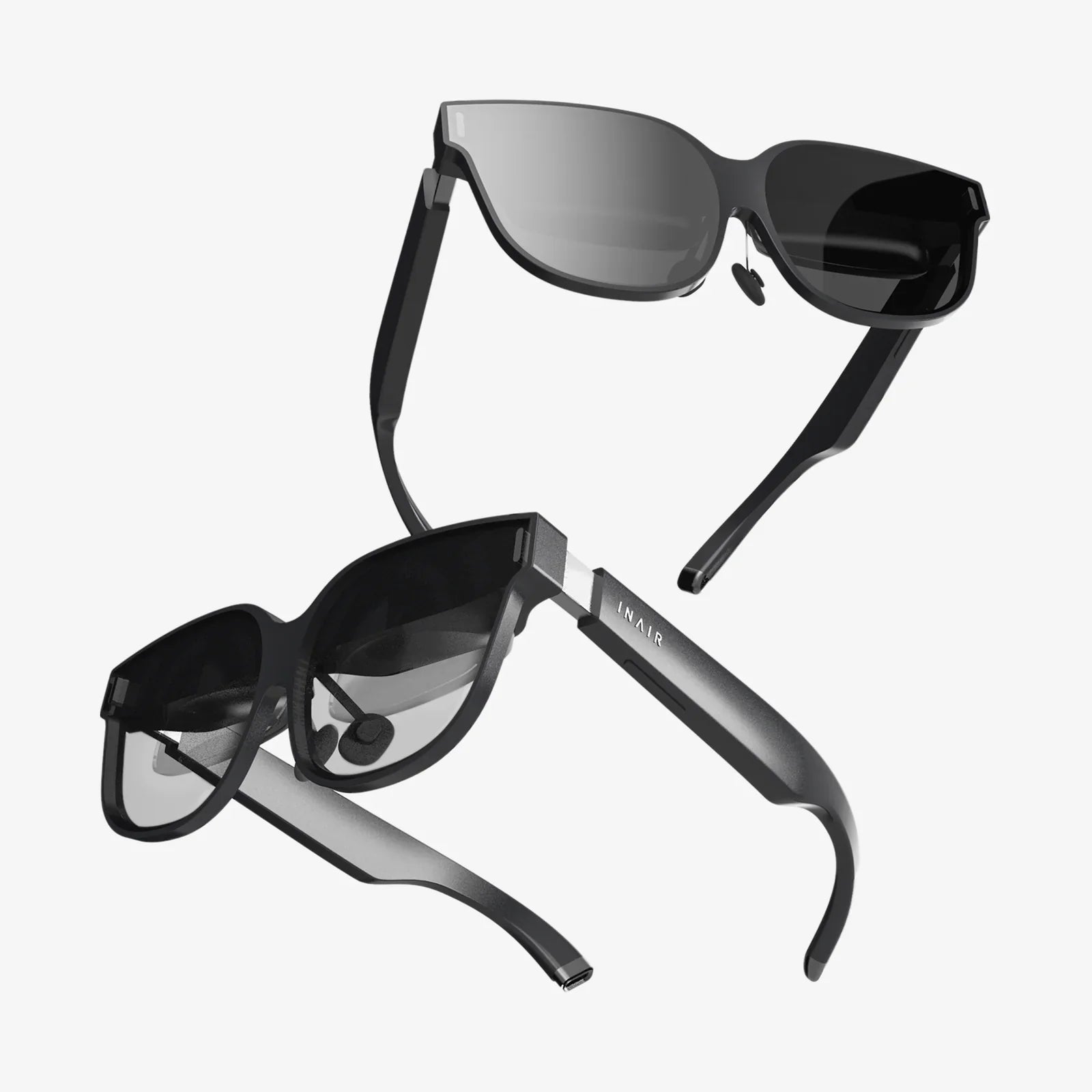
The digital dawn has broken, and with it, the traditional 9-to-5 office paradigm is crumbling. The once-futuristic concepts of telecommuting and the virtual office have surged from niche perks to mainstream necessities, fundamentally reshaping the global workforce. This isn't a temporary blip on the radar; it's a seismic shift in how we define productivity, company culture, and the work-life balance. The genie is out of the bottle, and the future of work is being written from home offices, co-working spaces, and kitchen tables across the world. The question is no longer if this model will persist, but how we will master it.
The Genesis of a Revolution: From Novelty to Necessity
The idea of working remotely is not new. For decades, visionaries spoke of a connected world where location was irrelevant. However, it took a confluence of technological advancement and global catalysts to push this model into the forefront. The proliferation of high-speed internet, the ubiquity of powerful computing devices, and the development of sophisticated cloud-based collaboration platforms created the necessary infrastructure. Suddenly, the physical limitations of the office—the servers, the filing cabinets, the whiteboards—could be replicated and often improved upon in a digital space.
This technological groundwork laid the tracks, but it was a series of world events that launched the train. Organizations that had previously been hesitant were forced to adopt remote work models almost overnight. What many feared would be a catastrophic experiment in productivity instead revealed a surprising truth: work could not only continue but, in many cases, thrive outside the traditional office. This mass involuntary experiment proved the concept at a scale previously unimaginable, silencing skeptics and accelerating adoption by years, if not decades.
Deconstructing the Terminology: More Than Just Working from Home
While often used interchangeably, telecommuting and virtual office represent distinct, though deeply intertwined, concepts.
- Telecommuting primarily refers to the practice of an employee performing their work duties from a location other than the central corporate office, typically their home. It focuses on the individual's work arrangement and the technology that enables them to connect to the workplace.
- Virtual Office is a broader, more holistic concept. It describes a business model or operational state where a company exists without a primary physical office space. It encompasses the entire ecosystem: the telecommuting employees, the digital communication tools, the cloud-based data storage, and the operational policies that bind a dispersed team into a cohesive, functioning unit. A virtual office isn't just about where people work; it's about how the entire organization is structured and managed.
In essence, telecommuting is a component that makes a virtual office possible. A company can have telecommuters without being a fully virtual office, but a fully virtual office relies entirely on telecommuting (or remote) employees.
The Unparalleled Advantages: Why the Shift is Accelerating
The mass migration to remote and virtual models is driven by a powerful array of benefits for both employers and employees.
For the Organization
- Access to a Global Talent Pool: Geography is no longer a limiting factor. Companies can hire the best person for the job, whether they live across the city or across the globe, leading to more diverse and highly skilled teams.
- Significant Overhead Reduction: The costs associated with maintaining physical office space—rent, utilities, insurance, office supplies, and janitorial services—can be drastically reduced or eliminated entirely.
- Enhanced Productivity and Performance: Contrary to old stereotypes, numerous studies have shown that remote workers often report higher productivity due to fewer distractions, less office politics, and the quiet focus of a personalized work environment.
- Improved Business Continuity and Resilience: A distributed workforce is inherently more resilient to localized disruptions, be they weather-related, infrastructural, or public health-related. Business operations can continue seamlessly.
- Environmental Impact and Sustainability: With a reduction in daily commutes and large office energy consumption, companies can significantly shrink their carbon footprint, aligning with modern ESG (Environmental, Social, and Governance) goals.
For the Employee
- Unprecedented Flexibility and Autonomy: The ability to structure one's day around deep work, personal appointments, and family needs leads to a better quality of life and reduced stress.
- Elimination of the Commute: Regaining hours each week previously spent in traffic or on public transport translates to more time for hobbies, family, rest, and personal development.
- Improved Work-Life Integration: Employees can better attend to personal and family needs without sacrificing professional responsibilities, leading to higher job satisfaction and loyalty.
- Customized Work Environment: Individuals can create an ergonomic and personal workspace that maximizes their comfort and efficiency, free from the one-size-fits-all approach of the corporate office.
- Financial Savings: Savings on costs like gas, public transit fares, professional wardrobe, and daily lunches add up to a significant financial benefit.
Navigating the Challenges: The Other Side of the Coin
For all its benefits, the telecommuting and virtual office model is not without its significant challenges. Success requires acknowledging and proactively managing these potential pitfalls.
- Blurring of Boundaries: The line between work life and home life can become dangerously faint, leading to the risk of burnout as employees find it difficult to "log off" and mentally disconnect from work.
- Communication and Collaboration Hurdles: Spontaneous "water cooler" conversations and quick desk-side clarifications are lost. Collaboration must become more intentional, which can sometimes slow down the creative process and innovation that thrives on casual interaction.
- Combating Isolation and Building Culture: A sense of loneliness and disconnection from colleagues and the company mission is a real risk. Maintaining a strong, cohesive company culture without a shared physical space is one of the toughest leadership challenges in a virtual setting.
- Management and Oversight Paradigm Shift: The old model of management by observation is obsolete. Leaders must learn to manage by results and output, focusing on trust, clear goals, and asynchronous communication, which requires a new set of skills.
- Technology and Security Reliance: The entire model is dependent on robust, reliable technology. Cybersecurity threats are amplified as data is accessed from numerous networks and locations, requiring stringent security protocols and employee training.
The Essential Toolkit: Building Your Digital Headquarters
The foundation of any successful virtual operation is a carefully curated suite of technological tools. These platforms form the digital arteries of the company, enabling the flow of information and collaboration.
- Unified Communication Platforms: These are the heart of the virtual office, combining instant messaging, video conferencing, voice calls, and file sharing into a single, persistent workspace. They replace the open-plan office and allow for both synchronous and asynchronous communication.
- Project and Task Management Software: These tools provide transparency and clarity on workloads, deadlines, and project progress. They create a single source of truth for who is doing what and by when, ensuring accountability and alignment across the team.
- Cloud Storage and Document Collaboration: The shared network drive is dead. Cloud storage allows for secure, centralized, and instantly accessible file storage. Coupled with real-time co-editing capabilities, these tools allow teams to collaborate on documents, spreadsheets, and presentations simultaneously from anywhere in the world.
- Virtual Private Networks (VPNs) and Security Software: Protecting sensitive company data is paramount. VPNs encrypt internet connections, and comprehensive endpoint security software is essential on every device used for work.
Mastering the New World: Strategies for Success
Adopting the right technology is only half the battle. Thriving in a telecommuting or virtual office environment requires a deliberate shift in strategies and mindsets.
For Leaders and Managers
- Lead with Trust, Not Surveillance: Focus on outcomes and deliverables, not hours logged online. Avoid the temptation to micromanage through invasive monitoring software, which erodes trust and morale.
- Over-communicate Goals and Vision: In the absence of physical presence, ensure every team member understands the company's direction, their role in it, and how their work contributes to larger goals.
- Create Intentional Connection Points: Schedule regular video-based team meetings, one-on-ones, and virtual social events (like coffee chats or happy hours) to foster personal connections and combat isolation.
- Invest in Professional Development: Train managers on how to lead remote teams effectively and provide resources for all employees to build skills in time management, digital communication, and self-motivation.
For Employees
- Establish a Dedicated Workspace: Create a physical boundary, even if it's a specific desk or room, to mentally separate "work mode" from "home mode."
- Ruthlessly Protect Your Time: Use calendar blocking to define your work hours and schedule breaks. Learn to shut down completely at the end of the day to prevent burnout.
- Become a Proactive Communicator: Don't wait for information to come to you. Over-communicate your progress, ask questions early, and make your presence known in digital channels.
- Prioritize Video Calls: Whenever possible, opt for video over audio or text. Non-verbal cues are critical for building rapport and ensuring clear understanding.
The Horizon of Work: What Comes Next?
The evolution of telecommuting and the virtual office is far from over. We are moving towards a more mature and nuanced hybrid model, where flexibility is the cornerstone. The office of the future may serve as a hub for collaboration, culture-building, and social connection, while focused deep work happens remotely. Furthermore, the rise of immersive technologies like Virtual Reality (VR) and Augmented Reality (AR) promises to create next-generation virtual offices—digital spaces where avatars of employees can meet, interact with 3D models, and collaborate in ways that mimic the physical world, potentially solving the collaboration and culture challenges we face today.
The revolution sparked by telecommuting and the virtual office is irreversible and accelerating. It has democratized opportunity, challenged century-old norms, and handed both companies and individuals unprecedented control over how they work. The organizations and professionals who will thrive in this new era are those who embrace its flexibility while mastering the disciplines of communication, trust, and intentional culture-building required to succeed. The future isn't about where you work, but how you connect, create, and deliver value, no matter your coordinates on the map.
Share:
Unterschied Virtual Reality VR und Augmented Reality AR: A Complete Guide to Immersive Technologies
Best Accessories for Virtual Office: The Ultimate Guide to a Professional and Productive Setup