


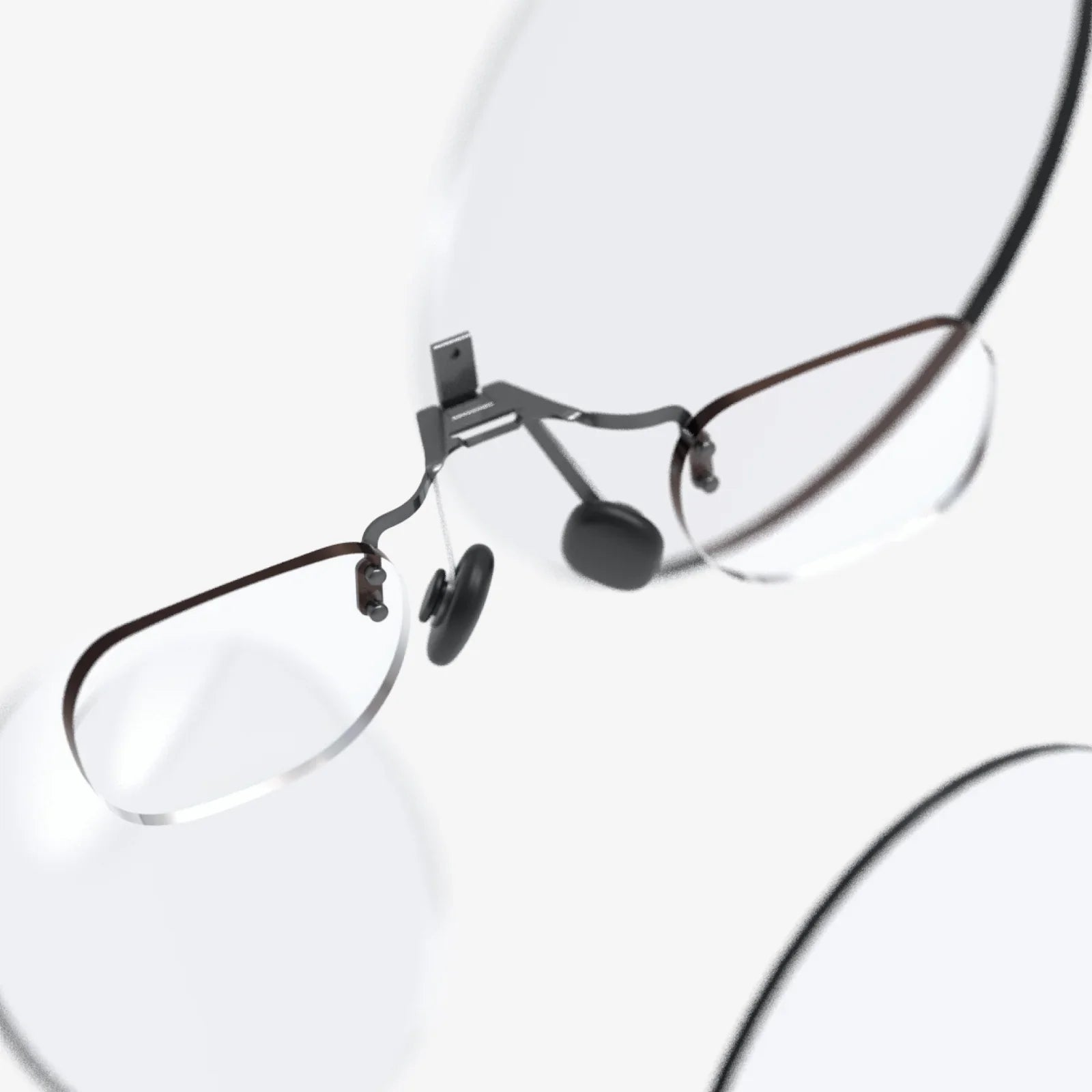
Imagine slipping on a headset and instantly teleporting to the peak of Mount Everest, the front row of a concert happening across the globe, or the cockpit of a spacecraft hurtling through a distant galaxy. This is no longer the stuff of fantasy; it is the tangible, breathtaking reality unlocked by a single, transformative piece of technology. The device brings virtual reality, and in doing so, it is not just changing how we play games or watch movies—it is fundamentally altering the human experience, forging new pathways for connection, creativity, and understanding in an increasingly digital world.
The Genesis of a New Reality
The conceptual seeds of virtual reality were sown decades ago, with early prototypes being clunky, expensive, and confined to research laboratories and military simulations. The dream was always there: to create a fully immersive, digital environment that could convincingly trick the human senses. For years, it remained a promise unfulfilled, a frontier of computing that seemed perpetually a decade away. The turning point arrived not with a single breakthrough, but with a convergence of technologies. Advances in micro-processing, high-resolution micro-displays, precision motion tracking, and sophisticated software algorithms finally coalesced into a form factor that was accessible, affordable, and powerful enough to deliver on that decades-old promise. This device, this gateway, became the catalyst for a revolution.
Deconstructing the Portal: How the Magic Works
To understand the profound impact, it helps to understand the elegant engineering that makes it possible. The core function of any device that brings virtual reality is to replace a user’s natural sensory input with a digitally generated one, creating a persuasive illusion of presence in a non-physical world.
- Visual Immersion: At its heart are two high-resolution screens (or one split screen), positioned mere centimeters from the eyes. Lenses focus and reshape the image to fill the user’s entire field of view, eliminating peripheral distractions and creating a vast, panoramic world. This stereoscopic vision, presenting slightly different images to each eye, is the fundamental trick that creates depth and a true sense of three-dimensional space.
- Auditory Depth: Sound is not an afterthought; it is a critical pillar of immersion. Advanced spatial audio technology mimics how sound waves interact with the human ears and the environment. A noise behind you in the virtual world will sound like it is coming from behind you, complete with subtle acoustic cues that your brain uses to pinpoint location and distance. This auditory layer is indispensable for selling the illusion of being somewhere else.
- Kinesthetic Feedback: The illusion would shatter if your virtual self moved while your physical body remained static. This is solved through a complex system of tracking. Inside-out tracking uses integrated cameras to map the physical room, while outside-in tracking uses external sensors. Both systems constantly monitor the position and orientation of the headset and controllers, updating the visual world in real-time with imperceptible latency. This 1:1 movement is what allows you to lean, dodge, and look around naturally. Haptic feedback in the controllers provides the sense of touch—the jarring impact of a virtual sword clash or the subtle vibration of a virtual engine.
Beyond the Game: Revolutionizing Industries
While gaming provided the initial commercial thrust, the applications of a device that brings virtual reality extend far beyond entertainment, infiltrating and improving numerous professional fields.
Education and Training
The era of learning from static textbooks and diagrams is giving way to experiential education. Medical students can now perform intricate virtual dissections and practice complex surgical procedures on detailed anatomical models without risk. History classes are no longer confined to dates and names; they can take a walking tour of ancient Rome, witnessing the scale of the Colosseum firsthand. Astronauts, pilots, and heavy machinery operators train in hyper-realistic, high-stakes simulations that were once cost-prohibitive or dangerous. This learning-by-doing in a consequence-free environment dramatically improves knowledge retention and skill acquisition.
Healthcare and Therapy
The therapeutic potential is staggering. Exposure therapy for phobias—fear of heights, flying, or public speaking—can be conducted safely and gradually within a controlled virtual environment. Physical rehabilitation patients are motivated to complete repetitive exercises through gamified VR experiences that track their progress. Perhaps most remarkably, VR is being used for pain management, distracting burn victims during painful wound care procedures by immersing them in a calming, icy landscape, effectively reducing perceived pain levels.
Design and Architecture
For architects and interior designers, a device that brings virtual reality is an indispensable tool. Clients no longer have to struggle to interpret blueprints or 3D models on a screen. They can don a headset and take a full-scale walkthrough of their unbuilt home, experiencing the flow of space, the quality of light from different windows, and the feel of the design long before the first brick is laid. This eliminates costly mistakes and ensures the final product aligns perfectly with the client’s vision.
Remote Collaboration and Social Connection
The video call, with its grid of faces, is a primitive tool for connection compared to the potential of social VR. These shared virtual spaces allow colleagues from across the world to meet as lifelike avatars around a virtual conference table, examining 3D models of a new product design together, or brainstorming on a virtual whiteboard. It recreates the nuance of physical presence—the sense of shared space, body language, and spatial audio—fostering a level of collaboration that flat screens cannot match. For friends and families separated by distance, it offers a way to "be together" to watch movies, play games, or simply exist in the same room, combating isolation and loneliness.
The Human Element: Psychological and Social Implications
Such a powerful technology does not arrive without profound questions. The concept of the "virtual self" represented by an avatar raises fascinating psychological questions about identity, empathy, and behavior. Studies have shown that experiences in VR can have a powerful prosocial impact; embodying an avatar of a different age, race, or gender can foster empathy and understanding. However, it also opens the door to potential misuse, from psychological manipulation to the desensitization to violence.
Furthermore, the very strength of VR—its immersive nature—raises concerns about addiction and escapism. If a virtual world is more appealing than the real one, will people retreat into it? The line between enhancing our reality and replacing it is one that society will need to navigate carefully, establishing ethical guidelines and promoting digital wellness.
Gazing into the Crystal Ball: The Future of Immersive Technology
The current generation of devices is merely the beginning. The future points towards even greater fidelity and seamless integration. We are moving towards varifocal lenses that mimic the eye’s natural focus, eliminating eye strain. Haptic technology will evolve from simple controller vibrations to full-body suits that can simulate touch, temperature, and pressure. Brain-computer interfaces, though far off, hint at a future where we could control virtual environments with our thoughts.
The ultimate goal is the concept of the "metaverse"—a persistent, interconnected network of virtual spaces that becomes an extension of our daily lives and the internet itself. In this vision, the device that brings virtual reality will be as ubiquitous as the smartphone, serving as our primary portal for work, socializing, learning, and play.
The journey of this technology is a testament to human ingenuity, a tool that collapses distance, transcends physical limitation, and unlocks new realms of imagination. It is a mirror reflecting our deepest desires to explore, create, and connect. As this portal continues to evolve, it challenges us to not just be passive consumers of new realities, but active architects of a future where technology expands, rather than diminishes, our humanity. The next world is waiting, and all it takes is putting on a headset to step inside.
Share:
Interactive Multi Touch Display: The Future of Collaboration and Engagement
Virtual Desktop Screen Size: The Ultimate Guide to Optimizing Your Digital Workspace