


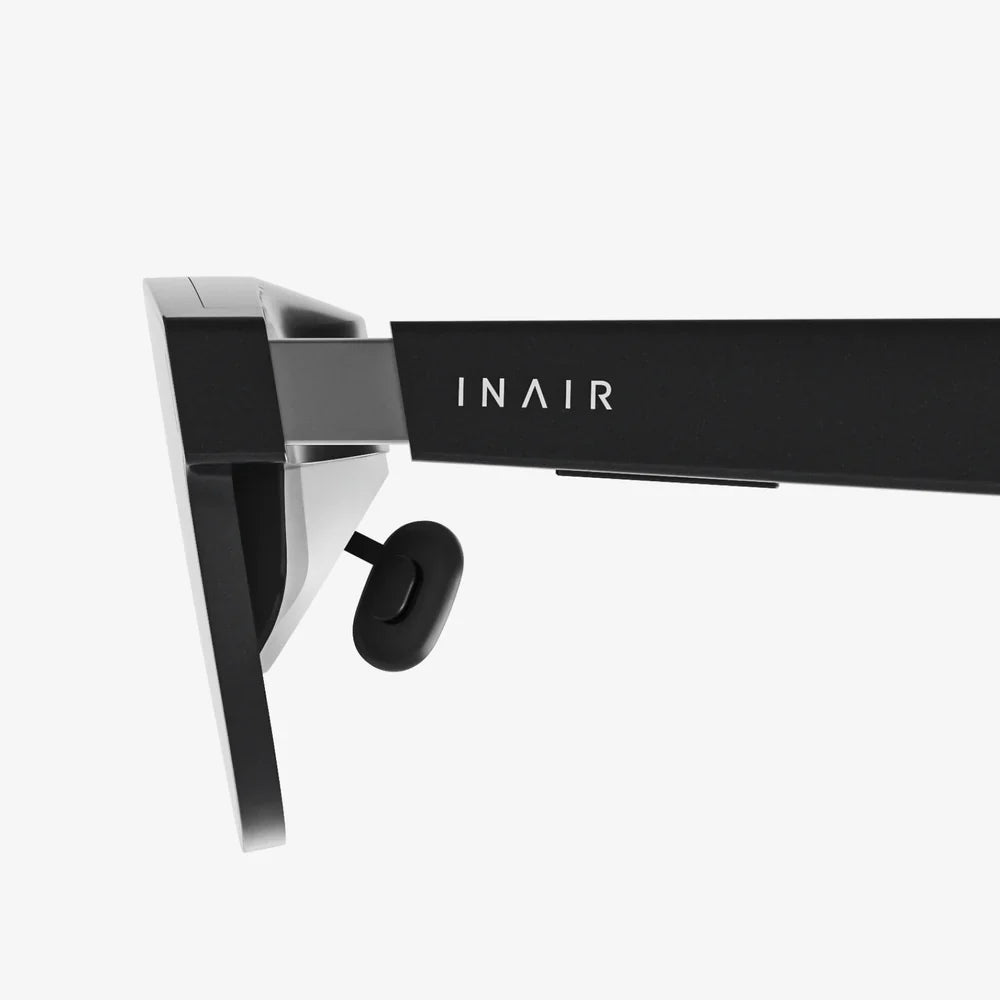
Imagine slipping on a headset and instantly dissolving the walls around you, trading your immediate anxieties for a sun-drenched beach, the helm of a starship, or the quiet solitude of a fantasy forest. This is the siren call of Virtual Reality, the most immersive form of escapism ever devised by human ingenuity. It promises not just a distraction, but a full-bodied exodus to another existence. But as this technology weaves itself into the fabric of our daily lives, a critical question emerges: are we unlocking a powerful tool for mental wellness and exploration, or are we building the most sophisticated cage for the human spirit ever conceived? The journey into VR's digital realms is far more complex than it appears, a double-edged sword of profound liberation and potential isolation.
The Ancient Allure of Escape and Its Digital Evolution
Escapism is not a modern invention; it is a fundamental human impulse. For millennia, we have sought refuge from the hardships, monotony, and anxieties of our existence. We lost ourselves in epic poems around campfires, in the pages of sprawling novels, in the darkened halls of cinemas, and in the pixelated worlds of early video games. These activities provided a cognitive break, a way to temporarily step outside of ourselves and our circumstances. They offered a reset button for an overstimulated mind.
Virtual Reality, however, represents a quantum leap in this evolutionary chain of escape. Unlike books or films, which we observe from a distance, VR is an embodied experience. It doesn't just show you another world; it convinces your primal senses that you are physically within it. This is known as presence—the undeniable, often unsettling feeling of "being there." Your brain, flooded with congruent audiovisual stimuli and responding to your physical movements, largely accepts the virtual environment as real. This biological buy-in is what separates VR from all prior media and is the core of its power as an escapist tool.
The Therapeutic Potential: Escape as a Pathway to Healing
When harnessed intentionally, the escapist nature of VR can be profoundly therapeutic. It provides a controlled, safe space where individuals can confront fears, manage pain, and practice skills that are daunting in the real world.
Conquering Phobias and Managing Anxiety
Clinicians are using VR exposure therapy to treat conditions like acrophobia (fear of heights), glossophobia (fear of public speaking), and post-traumatic stress disorder (PTSD). A patient can gradually and repeatedly confront a fear of heights by standing on a virtual plank extending from a skyscraper, all while knowing they are physically safe in a therapist's office. This controlled escape from their triggering reality allows them to rewire their fear response without actual danger.
Pain and Stress Distraction
The immersive power of VR is a potent distractor for the brain. Burn victims undergoing painful wound care have been treated using VR experiences that submerge them in a soothing, icy landscape like "SnowWorld." By commandeering the brain's visual and auditory resources, VR reduces the bandwidth available to process pain signals, significantly lowering perceived pain levels. Similarly, a brief escape to a tranquil virtual zen garden can drastically reduce stress and anxiety, offering a mental reset that a few minutes of traditional meditation might not achieve.
Empathy and Perspective-Taking
Perhaps one of the most beautiful effects of VR escapism is its ability to foster empathy. Experiences that allow someone to "walk a mile in another's shoes"—such as simulating the life of a refugee or experiencing the world with a disability—can create profound emotional connections and understanding that are difficult to achieve through reading or watching a documentary. This form of escape is not about running from reality, but about diving deeper into the human experience of others.
The Psychological Perils: When Escape Becomes Evasion
However, the very intensity that makes VR therapeutic also makes it potentially hazardous. When escapism transitions from a temporary respite to a preferred替代 (replacement) for reality, it can morph into a maladaptive coping mechanism with significant consequences.
The Reality Comparison Gap
VR worlds are often curated for perfection. They can be designed for maximum excitement, beauty, or social validation, free from the mundane hassles and imperfect interactions of physical life. Regularly spending time in these enhanced realities can create a "comparison gap," where one’s actual life begins to feel dull, disappointing, and lacking by contrast. This can lead to increased dissatisfaction with real-world relationships, careers, and environments, fueling a desire to escape into VR even more—a vicious cycle of avoidance.
Addiction and Behavioral Conditioning
The design of many VR experiences, particularly games and social platforms, is built on reward loops and variable rewards—the same psychological mechanics that can make social media and gambling addictive. The constant drip of achievement, discovery, and social connection inside the headset can make the unstructured and often unrewarding nature of real life seem unappealing. This can lead to compulsive use, where the virtual world becomes the primary source of fulfillment, eroding real-world responsibilities, hobbies, and relationships.
The Atrophy of Real-World Coping Skills
If an individual consistently uses VR to avoid feelings of anxiety, loneliness, or stress, they fail to develop or practice the crucial coping skills needed to navigate those challenges in reality. The headset becomes a crutch. Over time, this can lead to an inability to handle adversity, creating a fragile psychological state where any real-world problem feels insurmountable without the option to escape. The temporary relief comes at the cost of long-term resilience.
The Societal Reckoning: A Collective Departure?
The effect of VR escapism extends beyond the individual, posing broader questions for society. If significant portions of the population begin to prefer curated virtual lives, what happens to our shared physical reality?
We could see a decline in community engagement, local social interaction, and even physical infrastructure as people invest their time, money, and emotional energy into digital spaces. The concept of a "public square" could shift entirely online, further fracturing shared narratives and common experiences. Conversely, VR could also give rise to new, global communities bound by interest rather than geography, creating powerful new forms of social capital and collective action.
The economic implications are equally vast. Will we see a rise in "virtual tourism," reducing the environmental impact of travel, or will it lead to further isolation within digital silos? Will virtual real estate and assets become more valuable to some than their physical counterparts? The potential for a parallel digital economy is already emerging, blurring the lines between escapism and a genuine second life.
Navigating the Digital Exodus: Towards a Conscious Escape
The technology itself is neither good nor evil; its effect is determined by its application and our self-awareness in using it. The goal is not to reject VR escapism outright, but to engage with it consciously and intentionally.
This means setting clear boundaries for use, ensuring it supplements rather than supplants real-world experiences. It involves using VR with purpose—for specific therapy, learning, creativity, or social connection—rather than as a default state of being to numb oneself from life's challenges. Developers and creators have a responsibility to design experiences that enrich users' lives rather than exploit psychological vulnerabilities for engagement.
Most importantly, we must cultivate a strong anchor in our physical reality. Nurturing real-world relationships, spending time in nature, developing offline hobbies, and building resilience are essential counterbalances. VR should be a window to another world, not a barricade against this one.
The headset offers a door, but we control whether we step through for a visit or attempt to move in permanently. The most fulfilling future may not lie in choosing between the real and the virtual, but in learning to integrate the awe, connection, and possibility we find in these digital realms back into our physical lives. The ultimate effect of Virtual Reality as a form of escapism will be defined not by the technology, but by our humanity in wielding it.
Share:
Smart Keyboard Folio Does Not Work: A Comprehensive Troubleshooting and Solutions Guide
Difference Between Virtual Reality and Augmented Reality and Mixed Reality: The Ultimate Guide