


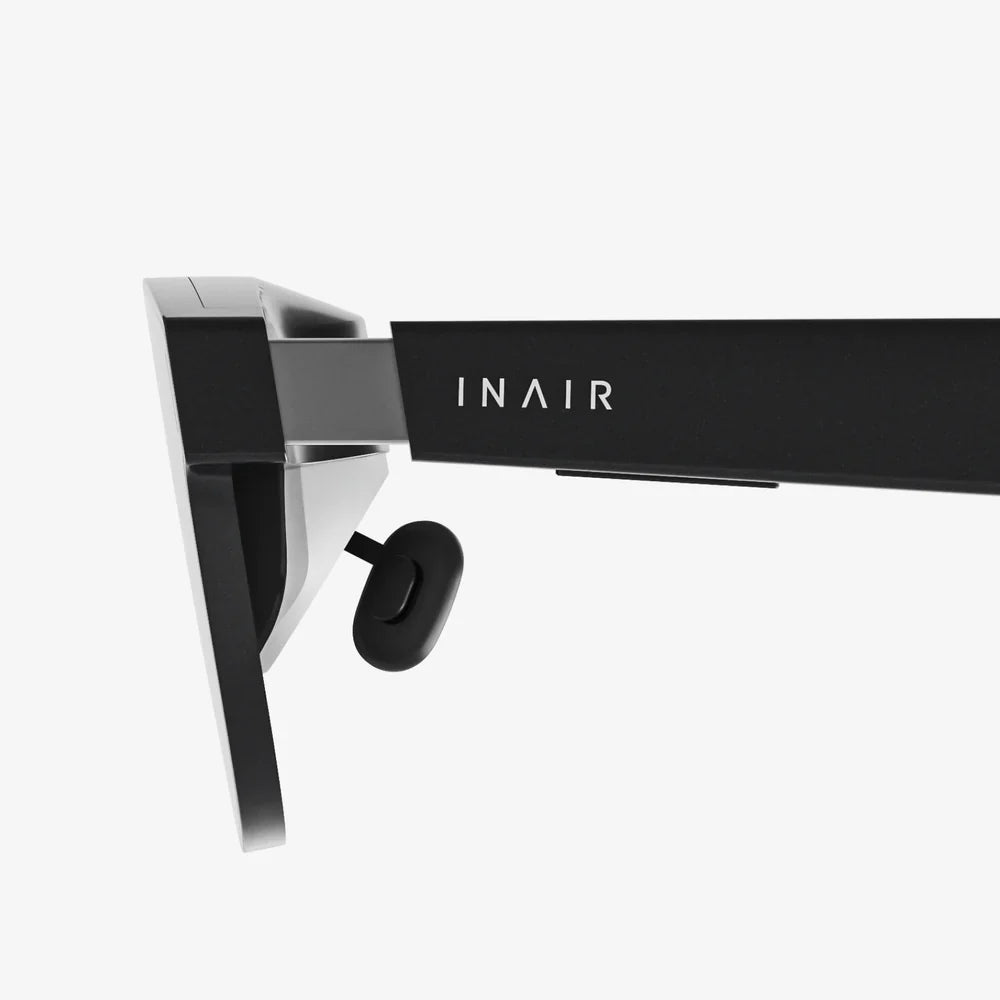
Imagine a world where your watch not only tells time but also warns you of an impending health event, your ring tracks the quality of your sleep to optimize your day, and your clothing provides real-time feedback on your athletic form. This is not the distant future; it is the rapidly evolving present of the entire smart wearables market, a technological revolution that is seamlessly integrating into the very fabric of our daily lives, promising unprecedented insights into our health, fitness, and overall well-being.
From Pedometers to Powerhouses: The Meteoric Rise of Wearables
The journey of the entire smart wearables market is a testament to accelerated technological adoption. What began as simple, dedicated pedometers and heart rate monitors has exploded into a multi-faceted industry encompassing smartwatches, fitness bands, smart rings, advanced hearables, and even smart clothing. This sector has defied broader tech slowdowns, consistently demonstrating robust growth driven by an increasingly health-conscious global population and a desire for quantified self-knowledge. The market is no longer a niche for tech enthusiasts and elite athletes; it has successfully crossed the chasm into the mainstream, becoming a common sight on wrists and in homes worldwide.
The initial value proposition was straightforward: step counting and basic activity tracking. However, the market's expansion was catalyzed by the integration of these devices with smartphones, creating a powerful ecosystem where data could be stored, analyzed, and turned into actionable insights. This connectivity unlocked social features, allowing users to compete with friends, share achievements, and foster a sense of community around wellness, further fueling adoption rates and creating a sticky user experience.
Deconstructing the Ecosystem: Key Product Categories Driving Growth
The entire smart wearables market is not a monolith; it is a diverse ecosystem of devices tailored to different needs, preferences, and parts of the body. Understanding these categories is key to understanding the market's dynamics.
Smartwatches: The Command Center on Your Wrist
Smartwatches have emerged as the dominant force within the entire smart wearables market, acting as a miniature smartphone strapped to the wrist. Their versatility is their greatest strength. Beyond telling time, they handle notifications, allow for contactless payments, stream music, and offer GPS navigation. Their health and fitness capabilities are also the most advanced, often incorporating ECG sensors, blood oxygen saturation (SpO2) monitors, and sophisticated workout tracking for dozens of activities. They serve as a centralized hub for personal data, making them an indispensable tool for many users.
Fitness Trackers: The Focused Fitness Companion
While smartwatches aim to do everything, fitness trackers maintain a sharp focus on health and wellness metrics at a more accessible price point. They excel at continuous heart rate monitoring, sleep stage analysis, and providing a simple, long-lasting solution for tracking daily activity goals like steps, calories burned, and distance traveled. Their minimalist design and extended battery life, often lasting a week or more, appeal to users who want core health insights without the distractions or cost of a full-featured smartwatch.
The Rise of Specialized Form Factors: Rings, Hearables, and Clothing
The innovation in the entire smart wearables market is pushing beyond the wrist. Smart rings are gaining traction for their ability to provide comfortable, continuous health monitoring, particularly for sleep tracking, as they are less obtrusive than a watch. Hearables, or smart headphones, have evolved from simply playing audio to incorporating fitness tracking, real-time language translation, and advanced active noise cancellation. At the cutting edge, smart clothing with sensors woven directly into the fabric offers biomechanical feedback for professional athletes and rehabilitation patients, measuring muscle activity, posture, and form in ways wrist-worn devices cannot.
The Engine Room: Core Technologies and Innovations
The entire smart wearables market is propelled forward by relentless innovation across several technological domains. These advancements are making devices smaller, more powerful, more accurate, and more useful.
Sensor Fusion and Biometric Monitoring
The heart of any wearable is its sensor array. Modern devices use a technique called sensor fusion, combining data from accelerometers, gyroscopes, optical heart rate sensors, magnetometers, and altimeters to paint a comprehensive picture of movement and physiology. The race for medical-grade accuracy is ongoing. Innovations in photoplethysmography (PPG) for heart rate and SpO2, bioimpedance sensors for measuring body composition, and even non-invasive glucose monitoring prototypes represent the next frontier, promising to move devices from general wellness into proactive healthcare.
Artificial Intelligence and Machine Learning
Raw sensor data is meaningless without interpretation. This is where AI and machine learning become critical. These algorithms are the brains of the operation, identifying patterns, detecting anomalies like atrial fibrillation, providing personalized workout recommendations, and delivering insights that are genuinely actionable. For example, AI can analyze sleep data not just to tell you how you slept, but to offer tailored suggestions for improving sleep hygiene based on your unique patterns.
Connectivity and Battery Life: The Perennial Balancing Act
Seamless connectivity via Bluetooth, Wi-Fi, and cellular networks is essential for the wearable experience. However, these radios are significant drains on power. The entire smart wearables market is engaged in a constant battle to balance feature-rich connectivity with acceptable battery life. Breakthroughs in low-power chip designs, more efficient displays, and software optimization are gradually extending usage between charges. Furthermore, the expansion of 5G networks promises faster data syncing and more robust standalone functionality for cellular-enabled devices.
Convergence with Healthcare: The Most Significant Opportunity
Perhaps the most profound evolution within the entire smart wearables market is its gradual but inevitable convergence with the formal healthcare industry. Devices are transitioning from lifestyle gadgets to potential clinical tools, enabling a shift from reactive sick care to proactive health management.
Remote Patient Monitoring (RPM) is a prime example. Wearables allow physicians to continuously monitor patients with chronic conditions like hypertension, cardiac arrhythmias, or diabetes from their homes. This leads to earlier intervention, reduced hospital readmissions, and improved quality of life. Large-scale population health studies, leveraging data from hundreds of thousands of users, are also uncovering new insights into disease onset and progression.
This convergence, however, brings immense challenges. Regulatory approval for medical device classification is a rigorous and complex process. Ensuring data privacy and security for highly sensitive health information is paramount. Finally, integrating this torrent of patient-generated health data into existing electronic health record systems and clinical workflows remains a significant hurdle for healthcare providers.
Navigating the Storm: Challenges and Headwinds
Despite its promising trajectory, the entire smart wearables market faces several substantial challenges that could hinder its growth.
The Privacy and Data Security Imperative
Wearables collect a deeply intimate portrait of a user's life: where they go, how they sleep, their heart rhythms, and more. This creates a huge target for cyberattacks and raises serious questions about data ownership and usage. Who owns this data? How is it being used by the companies that collect it? Could it be used by insurers or employers? Building and maintaining user trust through transparent policies and ironclad security is not optional; it is the foundation upon which the market's future depends.
Battery Life and the Charging Dilemma
For all the progress, battery anxiety remains a significant barrier to adoption for some. The ideal of a device that can run for weeks or months on a single charge, or charge wirelessly through ambient means, is still a dream. Until battery technology sees a fundamental leap, the daily or weekly charging ritual will remain a minor but persistent friction point for users.
Avoiding Market Saturation and Ensuring Continued Value
As the market matures, growth will inevitably slow. The challenge for companies will shift from acquiring new users to retaining existing ones and providing compelling reasons to upgrade. Incremental improvements like slightly faster processors or marginally more accurate sensors may not be enough. The next wave of growth will depend on delivering truly breakthrough health features, achieving medical certification, and creating ecosystems that deeply integrate with users' lives in valuable new ways.
Gazing into the Crystal Ball: The Future is Wearable
The future of the entire smart wearables market is bright and brimming with potential. We are moving towards a paradigm of continuous, ambient health sensing where devices fade into the background, becoming unnoticeable yet always present guardians of our well-being.
Future innovations will likely include more non-invasive biomarkers, such as continuous blood pressure and glucose monitoring, eliminating the need for painful finger pricks or bulky arm patches. Advanced stress and resilience tracking, using a combination of heart rate variability, skin temperature, and other metrics, could help users manage their mental well-being with the same rigor they apply to their physical fitness. Furthermore, the integration of augmented reality (AR) interfaces into wearables could overlay real-time data onto the user's field of view, providing contextual information during workouts, navigation, or even complex manual tasks.
The ultimate goal is predictive health: using AI to analyze long-term trends and subtle changes in biometric data to warn users of potential health issues long before symptoms appear. This shift from reactive to predictive and preventative care represents nothing short of a revolution in personal health management.
The lines between consumer electronics and medical devices will continue to blur, creating a new category of health-tech that empowers individuals like never before. The entire smart wearables market is not just selling gadgets; it is selling a promise—a promise of a longer, healthier, and more optimized life, and with every technological breakthrough, that promise edges closer to reality.
Your next doctor's appointment might not be in a clinic; it could be happening right now, silently and continuously, on your wrist, in your ear, or woven into the shirt you're wearing, as the entire smart wearables market evolves from a trend into an indispensable pillar of modern healthcare and personal wellness.
Share:
How to Enable Touchpad on Laptop: A Comprehensive Troubleshooting Guide
The Future of Intelligent Devices: A Seamless Symphony of Anticipatory Technology