


- by wangfred
The Future of Virtual Offices: Redefining Work, Space, and Human Connection
- by wangfred
Imagine a workspace that materializes at your command, a dynamic environment that adapts to your task, your mood, and your team's energy, unshackled from a fixed address or a punishing commute. This is no longer the realm of science fiction; it is the rapidly crystallizing reality of the virtual office, a concept poised to dismantle centuries of traditional work structures. The emergency adoption of remote work was merely the opening act. We are now on the cusp of a profound transformation, where the virtual office will cease to be a mere substitute for a physical space and will instead become a rich, immersive, and intelligent platform that redefines the nature of work itself. The future is not about replicating the office online; it's about creating something entirely new, more flexible, and profoundly human-centric.
The initial shift to widespread remote work was a global experiment born of necessity. For many organizations, it was a scramble to maintain operations using a patchwork of communication tools and video conferencing apps. The focus was on survival, not optimization. However, this period served as undeniable proof that a significant portion of knowledge work could be performed effectively outside a traditional office. It shattered long-held biases and demonstrated that productivity is not tethered to a desk but is instead a function of output, autonomy, and clear communication.
This validation was the crucial first step. It provided the momentum and the cultural permission to explore more sophisticated and intentional models. Businesses began to realize that the virtual office offered more than just business continuity; it presented strategic advantages. Access to a global talent pool, unimpeded by geographic constraints, became a reality. Significant reductions in overhead costs for physical real estate, utilities, and commuting subsidies appeared on balance sheets. Employees, meanwhile, discovered the profound benefits of flexibility, reclaiming hours once lost to travel and integrating their professional and personal lives in healthier ways.
The foundational layer of the future virtual office is built upon this bedrock of proven viability. It has moved from a reactive tactic to a proactive strategy, setting the stage for the technological and philosophical evolution to come.
The virtual office of tomorrow will be a seamless, integrated experience, powered by a convergence of several key technologies that move far beyond the simple video grid.
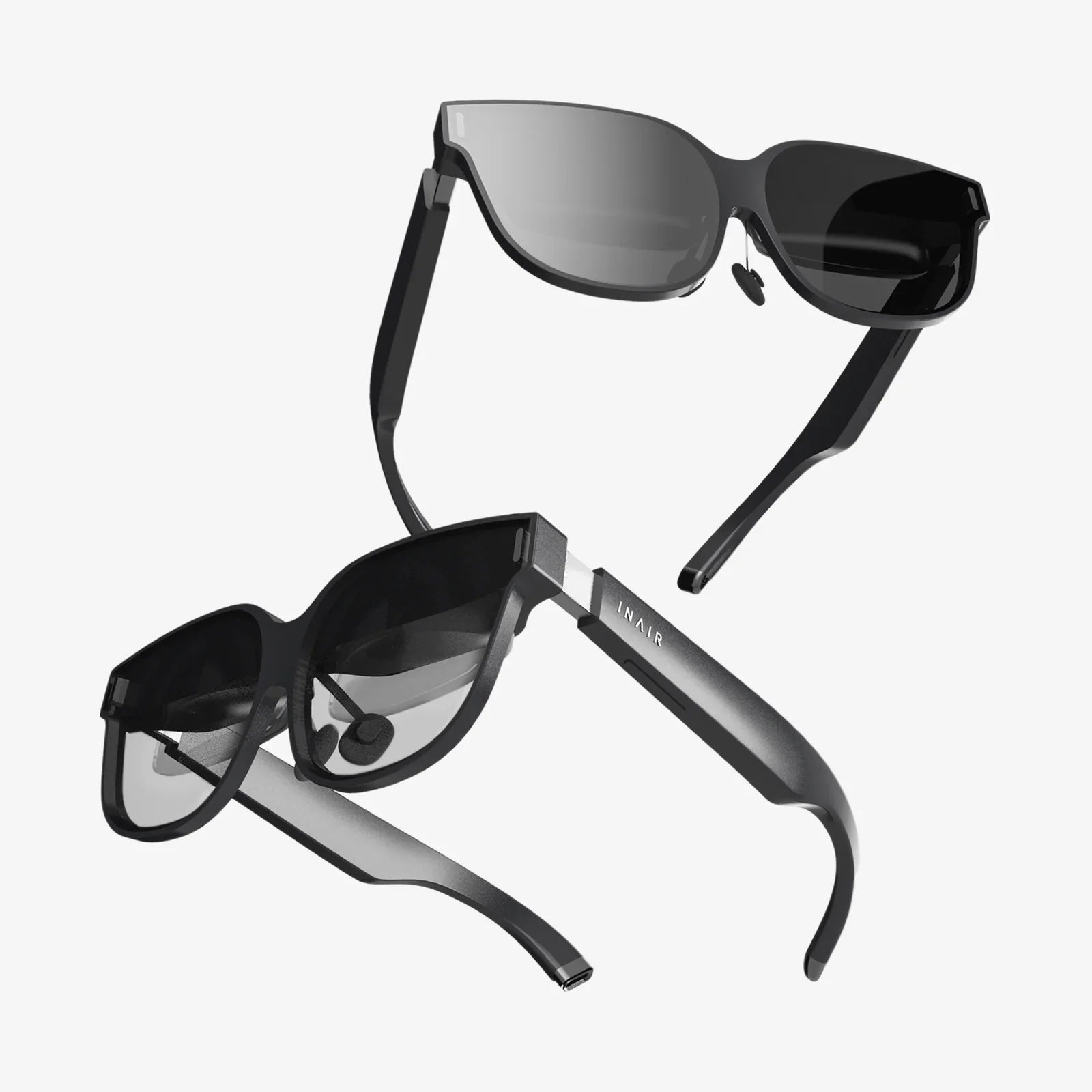
The most visually dramatic shift will be the transition from two-dimensional screens to three-dimensional immersive environments. Through virtual and augmented reality technologies, employees will be able to step into a shared digital space—a virtual office headquarters, a project-specific war room, or a casual coffee shop lounge. These environments will be designed not for novelty, but for function and social cohesion.
AI will be the invisible nervous system of the virtual office, orchestrating seamless experiences and augmenting human capability. It will move beyond scheduling assistants to become a core productivity partner.
The frustration of toggling between a dozen disparate apps will vanish. The future virtual office will be a unified platform that deeply integrates all necessary tools—communication, project management, document storage, CRM, and specialized software—into a single, cohesive experience. Security will be baked in at the architectural level, utilizing biometric authentication, behavioral analytics to detect anomalies, and zero-trust frameworks that secure data regardless of the device or network being used. Digital wellbeing will also be paramount, with platforms incorporating features that encourage breaks, signal the end of the workday, and protect against digital fatigue.
Technology is merely the enabler; the true challenge and opportunity of the future virtual office lie in the human element. The most advanced platform will fail if it is not supported by an evolved approach to leadership and company culture.
The command-and-control model of management, reliant on physical oversight, is obsolete. The future demands leaders who are coaches, facilitators, and connectors. Trust becomes the primary currency. Performance evaluation will shift from measuring hours logged or activity ("line-of-sight" management) to evaluating clear outcomes and deliverables. Leaders will need to become masters of asynchronous communication, documenting decisions clearly and ensuring every team member, regardless of location or time zone, feels included and aligned.
Company culture will no longer be something that happens organically around the water cooler. It must be designed and cultivated with intention. Virtual offices will feature dedicated digital spaces for social interaction: virtual game rooms, book clubs, fitness challenges, and casual "co-working" lounges where employees can hang out while working independently. Onboarding will become a rich, immersive experience, using VR to give new hires a visceral sense of the company's history and values and connecting them with mentors and buddies in engaging ways.
The ultimate future is not fully remote, but intelligently hybrid. The purpose of the physical office will transform. It will no longer be the default place for individual work but will become a destination for curated human connection: strategic planning sessions, team-building retreats, mentoring, and celebrating milestones. The virtual office will handle the day-to-day execution, while physical spaces will be designed for high-bandwidth, relational interaction. Companies will invest in distributed physical hubs to reduce travel time for these gatherings, creating a network of collaboration centers rather than a single monolithic headquarters.
This future is not without its significant obstacles. The digital divide could exacerbate inequality if access to high-speed internet and advanced hardware is not addressed. "Proximity bias"—the unconscious favoring of employees who are physically present with leadership—remains a threat to remote workers' career advancement, requiring conscious policies to counteract it. The blurring of lines between work and home life demands new skills in boundary-setting, and companies must take responsibility for preventing digital burnout by respecting off-hours and encouraging true disconnection. Furthermore, the legal and regulatory landscape surrounding taxation, data privacy, and employment law across international borders is complex and still evolving.
The virtual office is maturing into the central operating system for the future of work. It represents a shift from a place you go to a thing you do—an activity that can be performed with greater flexibility, inclusivity, and intentionality than ever before. This transformation empowers a more diverse global workforce, unlocks unprecedented levels of human potential, and forces organizations to reevaluate what truly drives value and innovation. It promises a world where work adapts to life, rather than life contorting around work.
The most successful organizations of the next decade will be those that embrace this not as a technological trend, but as a cultural revolution. They will be the ones who invest not only in the best platforms but also in training empathetic leaders, designing inclusive processes, and building a culture of trust that transcends physical boundaries. The screen-based compromise of today is giving way to a world where your ideal workspace is wherever you are most creative, focused, and engaged, connected to your team by a seamless digital fabric that feels less like a tool and more like a teleportation device to a shared future of work.