


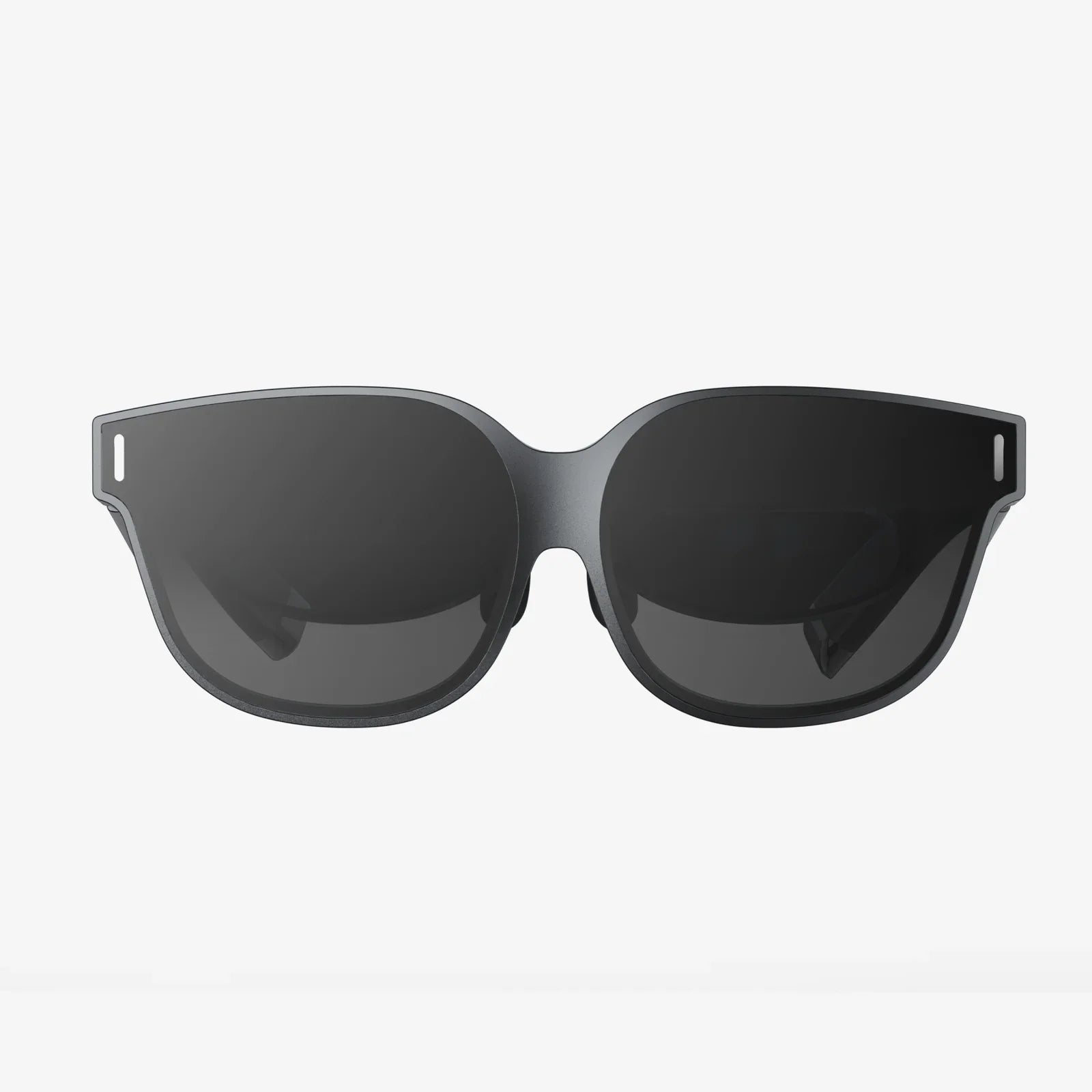
Imagine slipping on a headset and instantly being transported—not just to another place, but to another reality. You could be walking on the surface of Mars, performing a complex surgical procedure, or sitting face-to-face with a digital recreation of a long-lost relative. This is no longer the stuff of science fiction; it is the burgeoning, complex, and utterly captivating phenomenon of virtual reality. This technological leap is not merely an upgrade to our screens; it is a fundamental recalibration of human experience, promising to reshape everything from how we learn and work to how we connect and understand our own consciousness. The door to impossible worlds is now open, and we are collectively taking our first, tentative steps across the threshold.
From Fantastical Concept to Tangible Technology
The idea of escaping into a manufactured world has fascinated humanity for centuries, from the panoramic paintings of the 19th century to the speculative fiction of the 20th. However, the journey from concept to consumer product has been a long and arduous one. Early incarnations were clunky, expensive, and limited to research labs and military applications. They were defined by low-fidelity graphics, immense latency that induced nausea, and a complete lack of the haptic feedback necessary to sell the illusion. For decades, the phenomenon remained a promise, a future technology perpetually on the horizon.
The turning point arrived not with a single invention, but with a convergence of technological advancements. The exponential growth in processing power, the miniaturization of high-definition displays, and the development of sophisticated motion-tracking systems finally coalesced to create headsets that were both powerful and accessible. This critical mass of enabling technologies transformed virtual reality from a specialist's pipe dream into a viable medium for the masses, setting the stage for its current explosive growth.
The Psychological Power of Presence: More Than Just Seeing
At the heart of the virtual reality phenomenon is a unique and powerful psychological state known as "presence." Unlike watching a film or playing a traditional video game, where you are an observer of a world through a window, VR strives to make you an inhabitant of that world. Presence is the unequivocal feeling of "being there," a suspension of disbelief so complete that your subconscious mind accepts the digital environment as real.
This sensation is engineered through a careful orchestration of sensory inputs. Binocular, high-resolution visuals create depth and scale. Binaural audio mimics how sound behaves in a physical space, making a whisper behind your left ear feel authentic. Advanced haptic systems are now beginning to provide the sense of touch, from the recoil of a virtual weapon to the texture of a digital object. When these elements work in harmony, the cognitive effect is profound. The brain's motor cortex fires as if you are actually moving through the space; your fight-or-flight response can be triggered by a virtual precipice; and empathy can be generated not by watching someone's struggle, but by standing beside them within it.
Revolutionizing Industries Beyond Entertainment
While gaming and immersive films are the most visible applications, the true potential of the virtual reality phenomenon extends far beyond entertainment, seeding revolutions in numerous professional fields.
Education and Training
Virtual reality offers an unparalleled tool for experiential learning. Instead of reading about ancient Rome, history students can walk its streets. Medical students can practice intricate surgical procedures on virtual patients, making mistakes without consequences and mastering muscle memory in a risk-free environment. Mechanics can learn to repair complex engines by taking them apart virtually first. This learning-by-doing model, supercharged by the immersive power of VR, dramatically improves knowledge retention and skill acquisition.
Healthcare and Therapy
The therapeutic applications are vast and growing. VR exposure therapy is successfully treating patients with phobias, anxiety, and PTSD by allowing them to confront their triggers in a safe, controlled, and gradual manner. Surgeons use VR simulations to plan and rehearse complex operations, studying a patient's unique anatomy from every angle before making a single incision. Furthermore, VR is being used for pain management, distracting burn victims during painful wound care by immersing them in a calming, icy landscape, effectively reducing perceived pain levels.
Remote Collaboration and Design
The phenomenon is breaking down geographical barriers in the professional world. Architects and engineers can step inside 3D models of their designs long before ground is broken, identifying flaws and experimenting with materials in real-time. Teams spread across the globe can meet in a shared virtual boardroom, interacting with 3D data models as if they were physical objects in the room with them. This moves remote collaboration from flat video calls into a shared, spatial experience, restoring the nuance and context of in-person interaction.
The Social Metaverse: A New Frontier for Human Interaction
Perhaps the most ambitious aspect of the virtual reality phenomenon is its drive to create a "metaverse"—a persistent, shared, and interconnected universe of virtual spaces. This vision posits VR not as a solitary experience, but as the next evolution of the internet: an embodied internet where you don't just browse content, but you exist within it alongside others.
In these social VR platforms, users create digital avatars that represent themselves. The communication goes beyond voice chat; it includes body language, gestures, and shared activities like watching a movie on a virtual giant screen or playing a game of chess on a virtual table. For individuals with physical limitations, social anxiety, or those who are geographically isolated, this can provide a profound sense of connection and community that is difficult to achieve through traditional digital means. It promises a future where distance is irrelevant and shared experiences are limited only by imagination.
Navigating the Ethical and Societal Challenges
Such a powerful technology does not arrive without significant challenges and ethical dilemmas. The very intensity of the experience raises serious questions about safety, privacy, and psychological well-being.
Prolonged immersion in hyper-stimulating virtual environments could potentially lead to issues of dissociation, addiction, or the blurring of lines between the virtual and the real. The data collected in VR is exponentially more personal than web browsing history; it is a record of your unconscious physical reactions, your eye gaze, your biometric responses, and your movements within private spaces. This creates a staggering potential for surveillance and manipulation.
Furthermore, the phenomenon risks exacerbating the digital divide. Access to high-quality VR requires significant financial resources, potentially creating a class of individuals who can afford rich, educational, and social virtual experiences and a class who cannot. There is also the danger of reality degradation, where individuals might begin to prefer their curated, perfect virtual existence to the messy complexities of the physical world, leading to social withdrawal and neglect of real-world relationships and responsibilities.
The Future is Immersive: What Lies on the Horizon
The current state of VR is merely the foundation. The next wave of the phenomenon will be driven by technologies that deepen immersion to unimaginable levels. The development of photorealistic graphics powered by real-time ray tracing will erase the visual distinction between real and virtual. Haptic feedback suits will evolve to simulate temperature, pressure, and even impact. Perhaps most transformative will be the integration of brain-computer interfaces (BCIs), which aim to allow users to control virtual environments with their thoughts and, eventually, to simulate sensory experiences directly in the brain, bypassing physical hardware altogether.
This path leads to a future where virtual experiences could be indistinguishable from physical ones, not just visually but tactilely and emotionally. It promises applications we can scarcely conceive of today: perfect historical recreations for study, profound new forms of art and storytelling, and perhaps even a means of preserving human consciousness. The trajectory suggests that VR will become less of a device we put on and more of a layer seamlessly integrated into our perception of reality itself.
The genie is out of the bottle, and it is wearing a headset. The phenomenon of virtual reality is not a passing trend but a paradigm shift, a new canvas for human creativity and a mirror reflecting both our greatest aspirations and our deepest fears. It challenges us to dream bigger, to connect more deeply, and to thoughtfully navigate the profound responsibilities that come with the power to craft entirely new realities. The ultimate impact of this technology will not be determined by its code, but by our collective wisdom in wielding it. The next world is waiting to be built, and we all hold the tools.
Share:
Virtual Reality Could Reshape Our World: From Entertainment to Empathy
Should I Buy Virtual Reality? The Ultimate Guide to Making Your Decision