


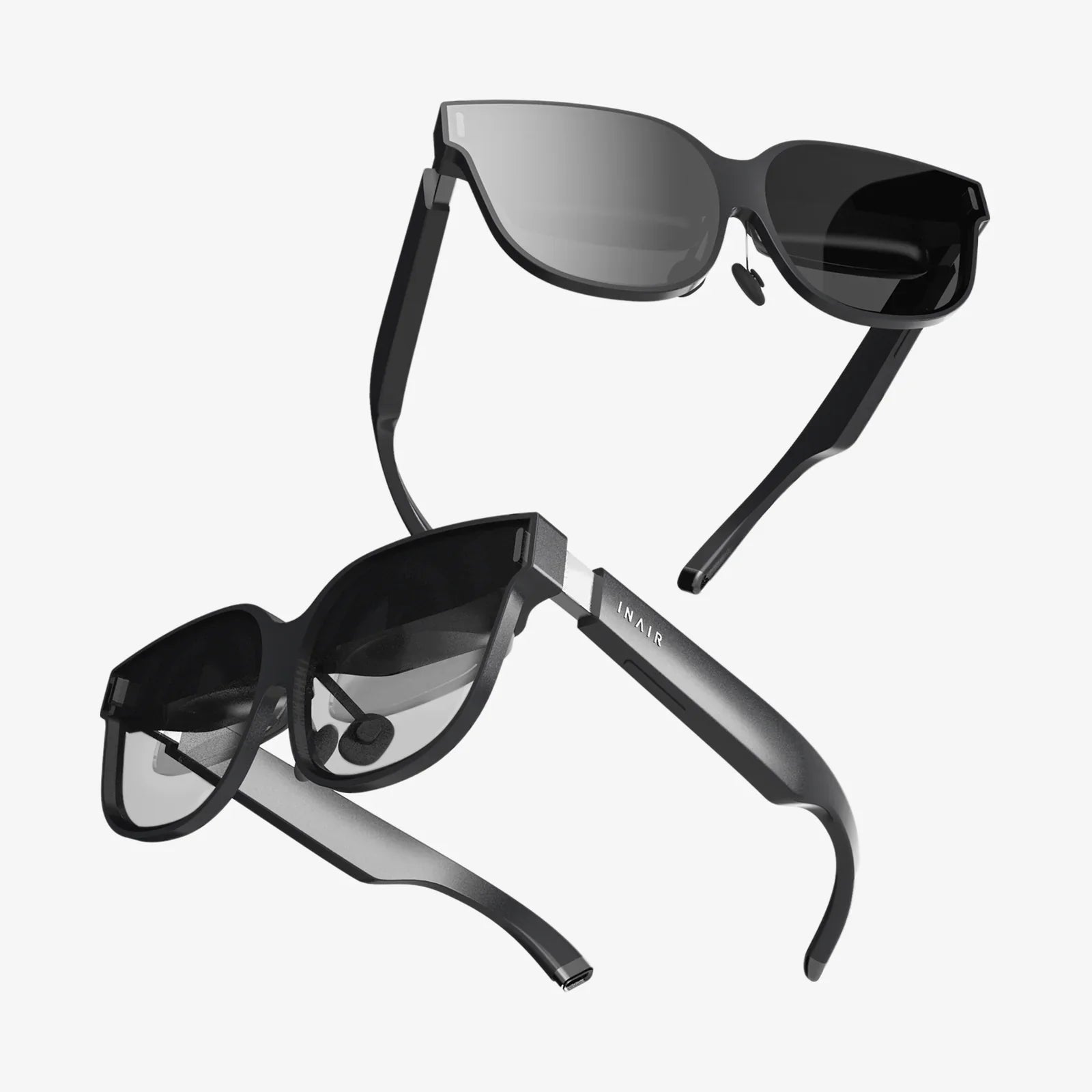
Imagine a world where the line between the digital and the physical doesn't just blur—it vanishes entirely. Where you can reach out and feel the chill of ancient alien ice, smell the acrid smoke of a magical battle, and feel your heart pound as you flee from a creature you know isn't real, yet your every instinct screams that it is. This is the promise, the breathtaking potential, of immersive location-based virtual reality. It’s not just playing a game; it’s embarking on an adventure that engages every one of your senses, leaving you with memories that are as vivid and tangible as any from the real world. It’s a portal to the impossible, and once you step through, the ordinary world feels just a little less magical.
The Architecture of Illusion: How It Works
At its core, this form of experience is a symphony of advanced technologies working in perfect harmony to create a seamless illusion. Unlike home-based systems, which are primarily audiovisual, this paradigm integrates multiple sensory channels to achieve its unparalleled realism.
The Vest: Haptic Feedback and Beyond
The journey begins when you don a specialized vest. This is no simple garment; it's a sophisticated haptic feedback system. Embedded with precise actuators, it translates digital events into physical sensations. A sudden gust of wind in the game becomes a palpable pressure on your chest. The recoil of a blaster rifle kicks against your shoulder. A close call with a virtual enemy might be accompanied by a deep, thrumming vibration right where the blow would have landed. This direct, physical communication between the virtual world and your body is the first critical step in bridging the gap between sight and touch, convincing your subconscious that the threats and wonders you encounter have weight and force.
Beyond the Headset: The Power of Physical Sets
The second, and perhaps most revolutionary, component is the physical stage. Instead of wandering an empty room, you are navigating a custom-built, tactile environment. The walls you see through your headset are often the walls you can actually touch. If your virtual quest leads you across a narrow wooden plank over a bottomless chasm, you will likely be walking on a real, slightly unsteady plank, your feet sensing its texture and give. This masterful blend of digital visuals with physical props is the ultimate trick on the human brain. It eliminates the dissonance that occurs in empty-room VR, where your hand passes through a table your eyes tell you is solid. Here, everything you see, you can touch. This is the cornerstone of true presence—the undeniable feeling of being there.
Precision Tracking and Untethered Freedom
None of this would be possible without sub-millimeter precision tracking. Using a combination of sensors placed around the environment and on the equipment itself, the system knows your exact position, the orientation of your head, and even the direction of your gaze at all times. This allows the digital world to update in perfect real-time with your movements, preventing the nausea-inducing lag that plagued earlier VR iterations. Crucially, all this data is transmitted wirelessly. You carry a powerful, purpose-built computer in a lightweight backpack, granting you complete freedom of movement. There are no cables to trip over, no umbilical cord tethering you to reality. You are utterly unshackled, free to explore, turn, crouch, and run without a single thought for the technology enabling it all.
The Psychology of Presence: Why It Feels So Real
The technological marvel is only half the story. The true magic lies in the profound psychological impact it has on participants. This experience leverages fundamental principles of human perception and cognition to create memories that the brain files away as real events.
Suspension of Disbelief on Steroids
Human beings are experts at suspending disbelief when watching a film or reading a book, but this is a passive engagement. This experience demands active participation, supercharging that suspension. Because your body is physically engaged—ducking under obstacles, turning to face a friend, feeling heat on your skin from a virtual fire—your brain has significantly more evidence that the events are occurring. It’s not just your eyes and ears being tricked; it’s your entire proprioceptive and vestibular systems. This multi-sensory confirmation is so powerful that the logical part of your mind, the part that knows you are in a warehouse, is effectively silenced. In that moment, you are an explorer, a hero, a ghost hunter.
The Social Dimension: Shared Reality
Unlike solitary home VR, this is inherently a social activity. Venturing into the void with friends or family creates a powerful shared narrative. You can see avatars of your companions, hear their voices through spatial audio (which means it sounds like it's coming from their location in the virtual space), and collaborate to solve puzzles or overcome challenges. This social reinforcement is crucial. When you all jump at the same jump-scare or celebrate a hard-won victory together, you are collectively affirming the reality of the experience. You are not just having a personal hallucination; you are co-creating a memory that becomes a part of your shared history, a story you will recount for years: "Remember that time we fought the dragon?"
The Creation of Episodic Memory
The combination of physical movement, emotional highs and lows, and social interaction is a recipe for the formation of strong episodic memories—the kind we form about real-life events. The brain doesn't just remember what it saw; it remembers the adrenaline rush, the chill of the air, the strain in your legs from running, the sound of your friend's laughter echoing in a digital cavern. These memories are stored with a richness and emotional weight that a flat screen can never replicate. Participants often leave not just with a fun story, but with the genuine, visceral recollection of an adventure they lived.
Beyond Entertainment: The Expansive Potential
While currently the domain of breathtaking entertainment, the implications of this technology extend far beyond theme parks and gaming centers. The ability to create perfectly simulated, fully immersive environments has profound potential across numerous fields.
Revolutionizing Education and Training
Imagine a history class where students don't just read about ancient Rome—they can walk through a faithfully reconstructed Forum, hearing the chatter of the crowd and seeing the scale of the architecture. Medical students could practice complex surgical procedures on virtual patients, feeling the resistance of tissue through haptic feedback gloves without any risk. Firefighters, soldiers, and first responders could train for high-stress, dangerous scenarios in a completely safe environment that nonetheless triggers all the physiological and psychological responses of a real emergency, building muscle memory and critical decision-making skills under pressure.
Architecture and Design
Architects and interior designers could use this technology to conduct client walkthroughs of unbuilt structures at a 1:1 scale. Clients could truly experience the space, assessing sightlines, lighting, and flow in a way that no render or scale model could ever allow. They could change the wall color or furniture layout with a gesture and see it instantly reflected around them, making collaborative design an immersive, intuitive process.
Therapeutic Applications
The field of therapy stands to be transformed. Exposure therapy for phobias—fear of heights, spiders, flying—could be conducted with absolute control and safety in hyper-realistic virtual environments. For patients dealing with chronic pain or undergoing painful medical procedures, immersive VR has already been shown to be a powerful distractor, effectively reducing perceived pain levels by hijacking the brain's sensory inputs. For those with physical limitations or mobility issues, it offers the chance to experience activities otherwise denied to them, from climbing a mountain to walking on a beach, providing significant psychological and emotional benefits.
Challenges and the Path Forward
Despite its incredible potential, the path forward is not without obstacles. The high cost of building and maintaining these physical locations makes them a premium experience, limiting accessibility. There is also the ongoing challenge of content creation. Designing narratives that are not only compelling but also leverage the unique aspects of physical sets and multi-sensory feedback requires a new breed of storyteller—one who is part game designer, part architect, and part film director.
Furthermore, as the technology becomes more realistic, ethical questions will emerge. How do we ensure emotional and psychological safety when experiences feel utterly real? How do we prevent the creation of overly intense or traumatic content? Establishing guidelines and best practices for this new medium will be essential for its healthy growth.
Yet, the trajectory is clear. As computing power increases, haptics become more refined, and wireless technology advances, the cost will inevitably fall while the fidelity rises. We are moving toward a future where such profound virtual experiences could become more commonplace, eventually even finding their way into custom-built rooms in our homes.
The echo of your footsteps fades, the glow of the portal dims behind you, and you pull the headset from your eyes, returning to the unremarkable room you left behind. But for a long moment, you are still there. Your palms might be sweaty, your breath still slightly quickened. You share a look of stunned exhilaration with your companions, a silent acknowledgment of the journey you just shared. This is the true power of the experience—it doesn’t end when the headset comes off. It leaves an indelible mark on your senses, a ghost of an adventure that your body and mind stubbornly refuse to classify as fiction. It’s a glimpse into a future where stories are not told but lived, and it redefines not just entertainment, but the very nature of experience itself. The door is now open, and the void beckons.
Share:
Best Smart Glasses: The Ultimate Guide to Seeing the Future
Artificial Intelligence Designs: The Unseen Architect Reshaping Our World