


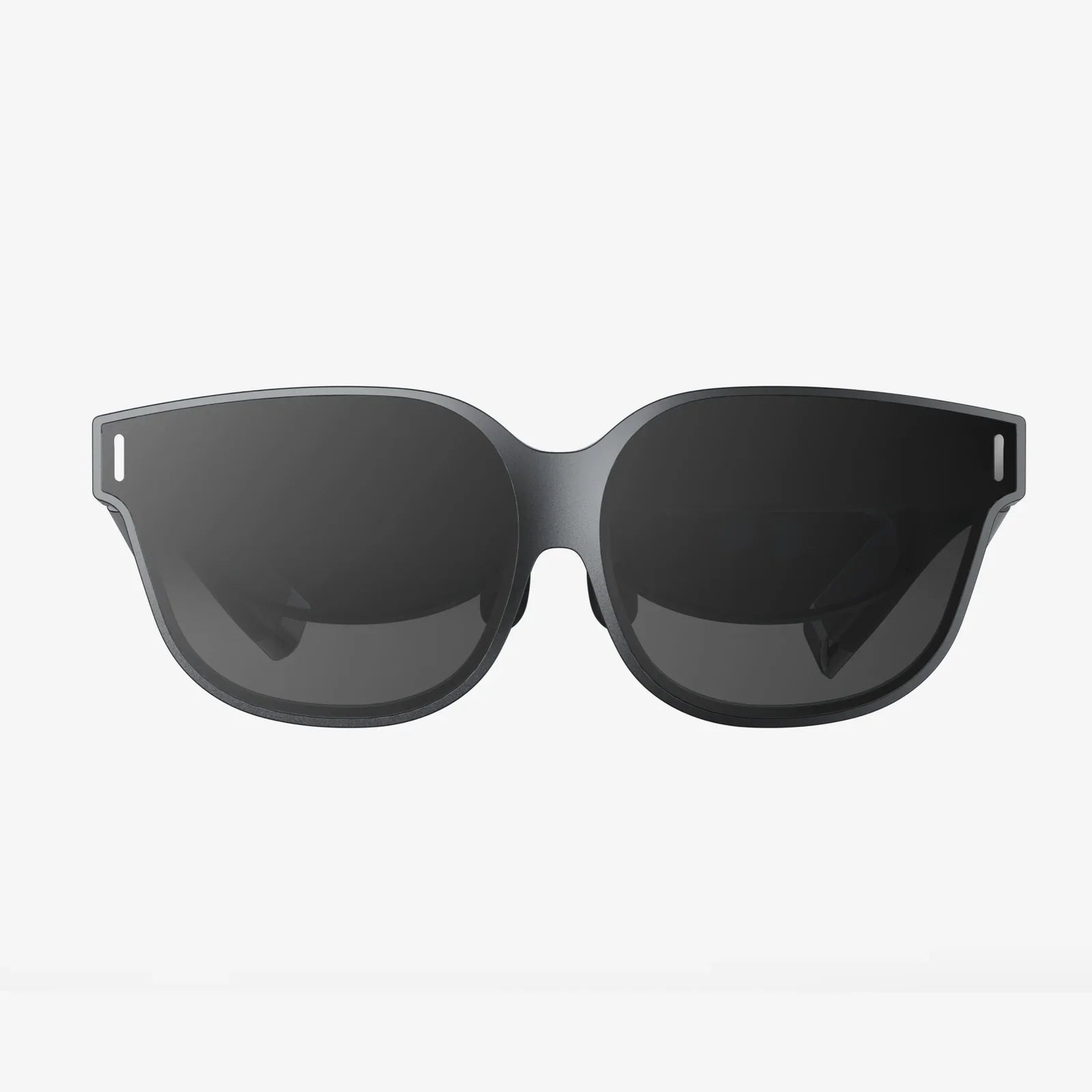
Imagine a world where the boundaries between reality and digital fantasy dissolve, where you can step onto the surface of Mars, sit in a virtual boardroom with colleagues from across the globe, or stand face-to-face with a prehistoric creature. This is no longer the stuff of science fiction; it is the breathtaking reality promised by the modern top end VR headset. These are not mere gadgets; they are portals, meticulously engineered to transport your senses to realms previously confined to imagination. The pursuit of absolute immersion is driving a technological revolution, and the latest generation of high-fidelity headsets represents the vanguard of this thrilling charge into the virtual unknown.
The Hallmarks of High-Fidelity Virtual Reality
What truly separates a premium device from its more accessible counterparts? It is a symphony of cutting-edge technologies working in perfect harmony to create an experience so convincing that the headset itself disappears from your perception.
Visual Fidelity: A Window to Another World
The most immediate differentiator is visual clarity. A top end VR headset employs high-resolution micro-OLED or advanced LCD displays, often boasting pixel densities that push the limits of current technology. The dreaded "screen-door effect," a grid-like pattern that once reminded users they were looking at a screen, has been virtually eliminated. Furthermore, these devices feature a high refresh rate, often 90Hz, 120Hz, or even higher. This ensures buttery-smooth motion, drastically reducing latency and the potential for simulation sickness, making prolonged exploration not just possible but comfortable.
Precision Tracking and Unrestrained Freedom
Immersion shatters the moment the virtual world fails to track your movements perfectly. Premium systems utilize a combination of inside-out tracking, using multiple integrated cameras to map the environment, and advanced inertial measurement units (IMUs). This creates a sub-millimeter level of precision, allowing for nuanced interactions like accurately throwing a virtual object or painting with a delicate brushstroke. This technology also enables robust room-scale VR, granting users the freedom to walk around and interact within a defined physical space, which the headset seamlessly translates into the virtual realm.
Auditory Immersion and Haptic Feedback
A truly convincing experience engages all senses. High-end integrated spatial audio systems are designed to mimic how sound behaves in the real world, creating a 3D soundscape that changes dynamically as you move your head. A whisper from behind or the roar of a crowd in front becomes a tangible part of the environment. Complementing this is the emerging frontier of advanced haptics. Beyond simple controller rumble, we are seeing developments in finger-tracking technology, pressure-sensitive triggers, and even vests and gloves that provide force feedback, allowing you to feel the virtual world.
Ergonomics and Comfort for Extended Journeys
Engineering a device that is both technologically dense and comfortable to wear for hours is a monumental challenge. Top tier headsets address this with sophisticated weight distribution, often moving the battery pack to the rear as a counterbalance. They feature plush, replaceable facial interfaces made from hypoallergenic materials, adjustable head straps with a dial-fit mechanism, and precision IPD (Interpupillary Distance) adjustment to ensure the image is perfectly sharp for each individual user. Comfort is not a luxury; it is a prerequisite for true presence.
The Expansive Universe of Experiences
The hardware is merely the key; the experiences are the destination. The software library for these powerful devices has exploded far beyond its gaming roots.
Gaming Reimagined
Of course, gaming remains a primary driver. Here, a top end VR headset unlocks its full potential. Vast, graphically intensive open-world games become visceral adventures. High-speed racing simulators feel palpably real, with every bump on the track transmitted through the steering wheel and headset. Tactical shooters demand real physical crouching, leaning, and aiming. The level of engagement and adrenaline is simply unattainable on a flat screen.
Professional and Creative Applications
The corporate world is rapidly adopting this technology. Architects and designers walk clients through unbuilt structures at a 1:1 scale. Medical students practice complex procedures on virtual patients without risk. Global teams meet in persistent virtual offices, collaborating on 3D models as if they were in the same room. For artists and creators, VR offers entirely new mediums—sculpting in 3D space, painting with light, and composing music in an immersive environment.
Social Connection and Live Events
Platforms are evolving into vibrant social hubs. You can meet friends at a virtual cinema, attend a live concert with avatars of thousands of other fans, or simply hang out in a customizable personal space. The sense of shared presence, of seeing and responding to another person's body language in real-time, fosters a deeper connection than any video call can provide. It is the next evolutionary step in remote communication.
Navigating the Ecosystem and Considerations
Embracing this high-end experience requires an understanding of the ecosystem. The most powerful systems typically fall into two categories: those powered by a dedicated external computer and standalone units with all the processing power built-in.
PC-powered headsets offer the absolute pinnacle of graphical performance, leveraging the immense power of a high-end graphics card to render incredibly complex and beautiful worlds. The trade-off is being tethered by a cable (though wireless adapters exist) and the requirement of a powerful and expensive computer.
Standalone headsets offer complete wireless freedom and a simpler, more accessible setup. Their performance, while astonishing for a mobile chipset, does not yet match the raw graphical output of a top-tier gaming PC. The choice between these paths depends on your priorities: uncompromising visual fidelity or untethered freedom and convenience.
The Future is Already Here
The trajectory of this technology points toward even greater integration with our lives. We are on the cusp of seeing varifocal displays that mimic the eye's natural focus, eye-tracking that enables foveated rendering (drastically improving performance by rendering only where you are looking in high detail), and even broader integration with the concept of the "metaverse"—a persistent network of interconnected virtual spaces.
These advancements will continue to blur the line between our physical and digital existences. The top end VR headset of today is not a final product but a thrilling proof-of-concept for the interfaces of tomorrow, paving the way for applications in education, therapy, remote work, and social interaction that we are only beginning to imagine.
The journey into virtual reality has progressed from a novel experiment to a profound technological leap. Today's top end VR headset is a masterpiece of engineering, a key that unlocks doors to impossible places and unforgettable experiences. It challenges our very definitions of presence and connection, offering a glimpse into a future where our reality is not a fixed location, but a choice. The question is no longer if the technology is compelling, but what you will do when you finally step through the portal and see what awaits on the other side.
Share:
VR Headset Problems: A Deep Dive into the Immersive Tech's Biggest Hurdles
What Is The Minimum Age To Use A VR Headset? A Deep Dive Into Safety, Development, And Responsible Use