


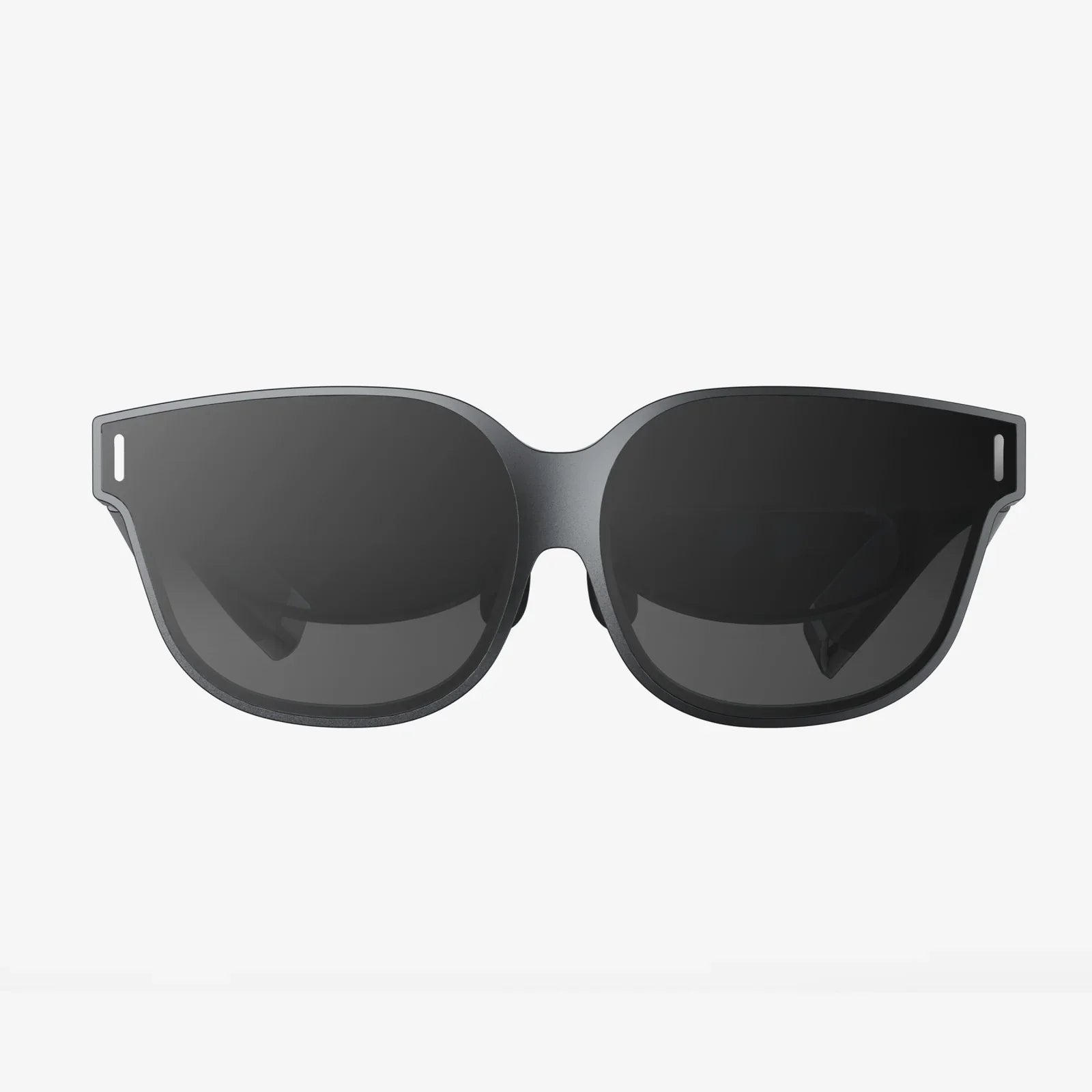
Imagine stepping into a world limited only by the boundaries of your imagination, where the line between the digital and the physical dissolves into a breathtaking new reality. This is the promise held by the latest generation of top rated VR goggles, a technological marvel that has evolved from a niche novelty to a powerhouse of immersive entertainment, productivity, and social connection. The journey to find the perfect portal to these virtual worlds is both exciting and complex, defined by a relentless pursuit of visual fidelity, intuitive interaction, and unparalleled comfort. This exploration goes beyond mere specifications to uncover what truly separates the exceptional from the ordinary in the realm of virtual reality.
The Pillars of a Superior Virtual Reality Experience
What elevates a pair of VR goggles to the upper echelon, earning them the coveted "top rated" status? It is not a single feature but a harmonious blend of several critical technological and ergonomic advancements. Consumers and critics alike judge these devices on a set of core pillars that collectively define the quality of the experience.
Visual Fidelity and Display Technology
The window to any virtual world is its display. Top tier VR goggles prioritize stunning visual clarity to ensure immersion isn't broken by pixelation or blur. Key factors include:
- Resolution and Pixels-Per-Degree (PPD): High resolution is crucial, but PPD is the more important metric, measuring how many pixels are packed into each degree of your field of view. A higher PPD drastically reduces the "screen door effect," making the virtual environment appear solid and real.
- Refresh Rate: Measured in Hertz (Hz), a high refresh rate (90Hz and above) is essential for smooth, fluid motion. This reduces latency and prevents the motion sickness that can plague inferior systems. The best devices now push 120Hz or even higher for buttery-smooth gameplay.
- Lens Quality: Advanced lens systems, like Fresnel or pancake lenses, are used to focus the image correctly for your eyes and to maximize the field of view while minimizing distortion and god rays (lens flare effects).
- Field of View (FoV): A wider FoV, measured diagonally in degrees, increases the sense of presence. While human vision is approximately 210 degrees, most high-end headsets aim for around 100-120 degrees as a sweet spot between immersion and technical feasibility.
Tracking and Controllers: Your Bridge to the Virtual
How you interact with the virtual world is just as important as how you see it. Precision tracking is the unsung hero of immersion.
- Inside-Out vs. External Tracking: Modern top rated VR goggles predominantly use inside-out tracking, where cameras on the headset itself track the environment and the controllers, eliminating the need for external base stations. This makes setup easier and increases portability. The accuracy of this tracking is paramount.
- Controller Design and Haptics: Ergonomic controllers that feel like an extension of your hand are vital. Advanced haptic feedback goes beyond simple vibration, simulating the feel of touching different surfaces, the recoil of a weapon, or the subtle tension of pulling a bowstring.
- Hand Tracking: The next frontier of interaction is controller-free hand tracking, allowing users to manipulate virtual objects with their natural hand movements, further deepening the illusion of presence.
Comfort and Design: Forgetting You're Wearing a Headset
A device can have the best specs in the world, but if it's uncomfortable to wear for more than ten minutes, it fails. Top rated designs prioritize long-term wearability.
- Weight Distribution: Innovative strap designs, often with a rear counterweight, distribute the device's mass evenly across the head rather than pressing it all onto the face.
- Materials and Ventilation: Lightweight materials, plush facial interfaces (often made of foam or silicone), and effective ventilation systems prevent overheating and reduce lens fogging during active use.
- Interpupillary Distance (IPD) Adjustment: A physical adjustment mechanism allows users to match the lens distance to the space between their pupils. This is critical for achieving a clear, single image and preventing eye strain. A software-only adjustment is often seen as a compromise.
Audio: The Often-Overlooked Immersion Multiplier
3D spatial audio is a non-negotiable feature for high-end VR. Built-in, directional speakers or high-quality headphones that simulate sound coming from specific points in the 3D space are essential. Hearing a creature creeping up behind you or the echo of your footsteps in a virtual cavern completes the sensory package and is a hallmark of a premium system.
Beyond the Hardware: The Ecosystem is King
The hardware is only half the story. The software ecosystem and user experience are what give the device its soul and longevity.
Content Library and Exclusive Titles
A robust and diverse library of games, experiences, and applications is crucial. Top rated VR goggles are supported by a thriving ecosystem of developers creating everything from pulse-pounding AAA games and innovative indie experiences to professional applications for design, architecture, and medical training. The availability of must-have exclusive titles often sways purchasing decisions.
User Interface and Social Features
The operating system should be intuitive and easy to navigate while in VR. seamless integration of social features—like easily inviting friends to join you in a virtual space, attending live events, or sharing experiences—transforms the device from a solitary gaming console into a platform for connection.
Standalone vs. Tethered: The Freedom Trade-Off
This is a fundamental division in the VR market, and both approaches have merits that can define a product as top rated in its category.
- Standalone (All-in-One): These wireless headsets have all the necessary computing power built-in. They offer unparalleled freedom of movement and ease of use—no cables and no powerful computer required. They represent the most accessible entry point into high-quality VR.
- Tethered (PC-Powered): These headsets connect to a powerful external computer. This allows them to offload processing, enabling the absolute highest possible graphical fidelity, complex physics, and vast, detailed worlds. They cater to enthusiasts who demand the pinnacle of visual performance.
- Wireless Adapters: Some tethered systems offer optional wireless adapters, creating a hybrid model that aims to provide the best of both worlds: high-end graphics with untethered freedom, though often at a premium cost.
Navigating the Future: Trends Shaping the Next Generation
The technology behind top rated VR goggles is advancing at a breakneck pace. Several key trends are poised to redefine what we expect from these devices.
Mixed Reality (MR) and Passthrough Capabilities
The future is not just fully virtual. High-resolution color passthrough cameras are allowing new headsets to blend digital objects with your real-world environment. This Mixed Reality (MR) capability opens up vast new possibilities for gaming, productivity, and creative applications, transforming your living room into a hybrid playground or workspace.
Eye-Tracking and Foveated Rendering
This is a game-changing technology for performance. Eye-tracking sensors monitor where you are looking. Foveated rendering uses this data to render the area you are directly looking at in full resolution, while subtly reducing the rendering quality in your peripheral vision. Since your peripheral vision is less sensitive to detail, this saves immense amounts of processing power with no perceptible loss in quality, allowing for even more complex and beautiful visuals.
Biometric Feedback
Future headsets may integrate sensors to track biometric data like pupil dilation, heart rate, and facial expressions. This could lead to experiences that adapt to your emotional state—a horror game that gets scarier when it senses you're calm, or a social platform where your avatar accurately reflects your real smile or frown.
Form Factor Revolution: Towards Normalcy
The ultimate goal is to make VR goggles as socially acceptable and comfortable as a pair of sunglasses. Advances in micro-OLED displays and pancake lenses are driving a revolution in miniaturization. The next generation of devices will be significantly smaller, lighter, and more wearable, moving away from the bulky "ski goggle" design towards something you might casually wear throughout the day.
The quest for the perfect virtual reality experience is a moving target, constantly redefined by innovation. Today's top rated VR goggles are not merely gaming peripherals; they are sophisticated portals that offer a glimpse into the future of computing, social interaction, and human expression. They represent a convergence of art and engineering, demanding excellence in every detail—from the nanoscale precision of their displays to the intuitive elegance of their software. As this technology continues its rapid evolution, becoming more powerful, more comfortable, and more integrated into our daily lives, one thing is certain: the boundary between our world and the worlds we create will become ever more beautifully blurred.
Share:
List of Wearable Technology: A Comprehensive Guide to the Gadgets on Your Body
VR Headset for Glasses Users: The Ultimate Guide to Immersive Comfort