


Imagine a world where your environment adapts to your whims, your health is monitored by invisible guardians, and your digital and physical realities are seamlessly intertwined. This isn't a distant science fiction fantasy; it is the palpable reality being built by the top-selling digital products of 2025. The rapid convergence of artificial intelligence, ambient computing, and biotechnology is creating a market landscape unlike any we have seen before, where the most successful products are not just tools, but proactive partners in our daily existence. The future is not arriving—it is already being unboxed.
The New Ecosystem: Beyond the Single Device
The era of the standalone, blockbuster gadget is giving way to a more sophisticated paradigm. In 2025, the true top sellers are not merely individual products but interconnected ecosystems. Consumers are increasingly investing in suites of compatible devices and services that work in concert to create a unified and intelligent living experience. This shift is driven by a demand for seamless functionality; a user's wearable should communicate effortlessly with their home assistant, their entertainment system, and their vehicle without requiring constant manual intervention. The value proposition has moved from raw hardware specifications to the quality of the integrated experience and the fluency of the artificial intelligence that orchestrates it all. This ecosystem approach locks in customer loyalty and creates a powerful, self-reinforcing cycle of innovation and sales.
The Immersive Frontier: AR Glasses and VR Headsets
After years of promise, augmented and virtual reality hardware has finally hit its commercial stride in 2025. The key to this success has been a pivot from clunky, niche enthusiast gear to sleek, socially acceptable, and genuinely useful everyday technology.
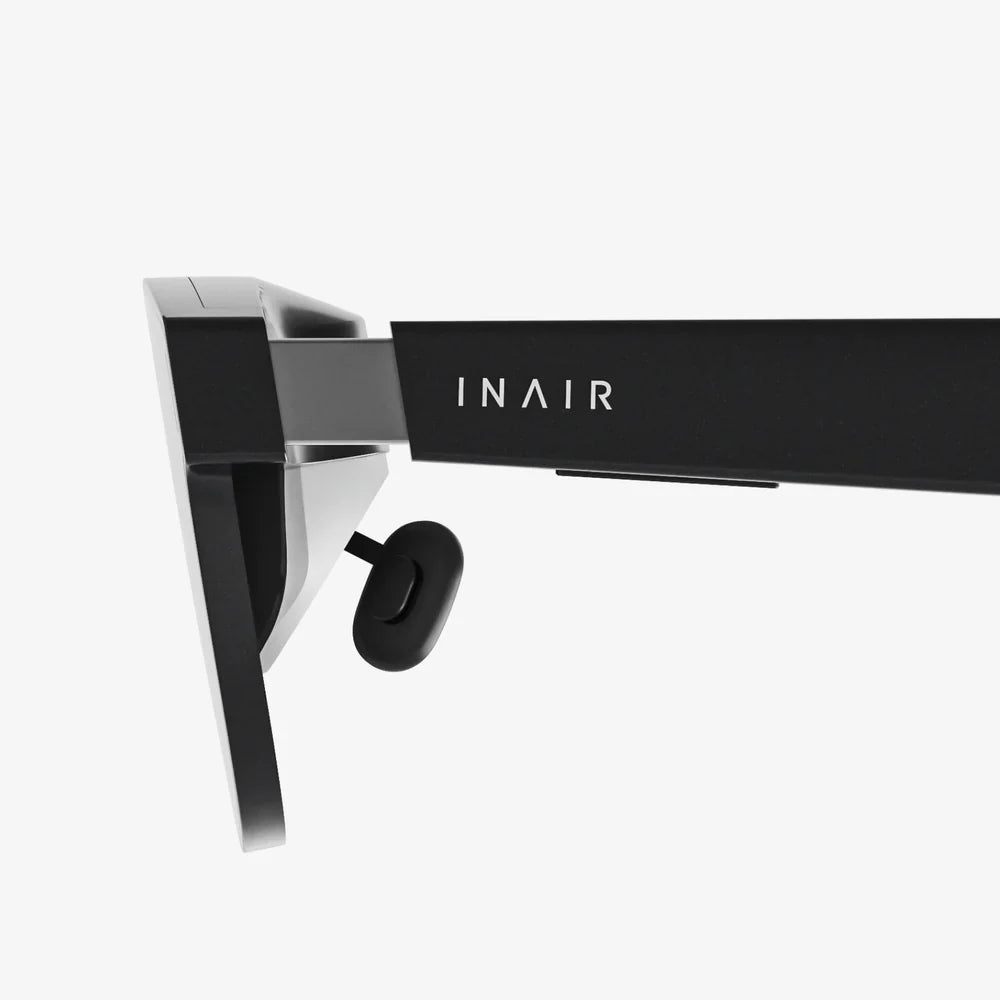
Augmented Reality Glasses: These have emerged as a dominant force. Unlike their predecessors, 2025's AR glasses are lightweight, boast all-day battery life, and feature displays that overlay high-fidelity digital information onto the real world with stunning clarity. They are selling millions of units not for gaming alone, but for practical applications: providing real-time navigation cues superimposed on streets, translating foreign language signs instantly, displaying recipe instructions in a user's field of vision while cooking, and facilitating remote collaboration where a expert can see what a technician sees and annotate their view. They are becoming the ultimate contextual computing device, making the smartphone feel like a limited, handheld relic.
Virtual Reality Headsets: On the VR side, sales are driven by devices that offer true visual parity with reality, featuring ultra-high-resolution displays and advanced eye-tracking for foveated rendering. This eliminates the screen-door effect and significantly reduces the motion sickness that plagued earlier generations. The market is bifurcating: all-in-one wireless headsets continue to dominate the consumer space for gaming and social experiences, while powerful tethered units cater to professional simulations for design, architecture, and medical training. The software ecosystem, now rich with compelling content, is a major catalyst for this hardware boom.
The Intelligence Core: Advanced AI Assistants
If AR/VR hardware forms the senses of the new digital ecosystem, then advanced AI assistants are its brain. The digital assistants of 2025 are a quantum leap beyond the simple voice-activated alarm-setters of the past. Powered by sprawling large language models and predictive analytics, they have evolved into proactive, personalized agents.
These assistants are multimodal, understanding and generating not just text and speech, but also images, video, and audio. They can manage complex, multi-step tasks across different applications: for instance, a user can ask their assistant to "plan a weekend trip to Paris," and it will autonomously research flights that align with their calendar and budget preferences, book accommodations with high user ratings, make restaurant reservations based on dietary restrictions, and compile a personalized itinerary of sights to see—all with minimal human oversight. Their ability to learn from user behavior and context makes them indispensable digital secretaries, researchers, and creatives, embedded not just in smart speakers but across the entire device ecosystem. Their subscription-based access models represent a massive and recurring revenue stream, making them top-selling digital products in both utility and profitability.
The Decentralized Wave: Web3 and Creator Economy Tools
The conceptual fervor of blockchain and Web3 has crystallized into tangible, high-demand products in 2025. While speculation still exists, the best-selling digital products in this category are practical tools that empower creators and users.
NFT 2.0 Platforms: Moving far beyond static profile pictures, the new generation of non-fungible token platforms facilitates verifiable ownership of dynamic digital assets. These include token-gated access to exclusive communities, digital fashion items that can be worn in virtual worlds and on social media avatars, and complex digital art that can evolve or be interacted with by its owner. The infrastructure supporting this—user-friendly wallets, low-gas-fee marketplaces, and seamless integration with social media—has matured, driving mainstream adoption.
Decentralized Social Media Protocols: Frustration with algorithmic control and data monetization on traditional platforms has fueled the rise of decentralized alternatives. These protocols give users true ownership of their social graph and content, allowing them to port their audience from one front-end application to another. The digital products selling here are the intuitive applications that sit on top of these protocols, offering a familiar social experience but with user-centric governance and monetization models, such as direct micropayments from fans to creators.
Personalized Health and Biotech Monitors
The pursuit of quantified self has evolved into a demand for predictive and preventative health. The top-selling digital products in this sector are sophisticated health monitors that move far beyond counting steps.
Next-generation wearables now incorporate medical-grade sensors capable of continuous, non-invasive monitoring of blood glucose, blood pressure, hydration levels, and even early markers for conditions like atrial fibrillation. These devices are coupled with AI-powered health platforms that analyze this constant stream of biometric data. They don't just report numbers; they provide actionable insights, detect concerning trends before they become emergencies, and can even integrate with telehealth services to automatically share data with a healthcare professional. For an aging global population and health-conscious consumers alike, these devices are transitioning from nice-to-have gadgets to essential health tools, creating a massive and ethically complex market.
Hyper-Realistic Audio and Haptic Technology
As visual technologies have advanced, so too has the demand for auditory and tactile immersion. This has spawned a new category of top-selling audio products focused on creating supremely realistic and personalized soundscapes.
Advanced noise-canceling headphones now use AI to not just block out noise, but to intelligently filter it—allowing a user to silence a construction site but still hear a colleague speaking nearby. Spatial audio technology has become the standard, creating immersive, three-dimensional soundscapes for entertainment, but also for productivity, helping to focus in noisy environments. Furthermore, haptic feedback suits and controllers are seeing rising sales among gamers and VR enthusiasts, allowing them to physically feel the virtual world, from the gentle patter of rain to the recoil of a virtual weapon. This pursuit of total sensory immersion is a key driver in the peripherals market.
Sustainable Tech: The Green Premium
A significant and powerful trend influencing all top-selling digital products in 2025 is sustainability. Consumers are increasingly making purchasing decisions based on a product's environmental footprint. This has led to a "green premium." Products designed with modularity for easy repair, built from recycled and biodegradable materials, and backed by robust carbon-offset programs by the manufacturers are gaining significant market share. Energy efficiency is no longer a minor spec sheet bullet point but a primary marketing feature. The most successful companies are those that have transparently woven circular economy principles into their product design, manufacturing, and recycling processes, appealing to the eco-conscious ethos of the modern buyer.
The digital products flying off virtual shelves in 2025 paint a clear picture: the future is integrated, intelligent, and intimate. These are not passive tools but active, context-aware systems that anticipate our needs, manage our health, and blur the line between our physical and digital lives. They promise unparalleled convenience and new forms of human expression and connection, but they also demand careful consideration of the data we share and the power we cede. One thing is certain: the relationship between humanity and its technology is deepening, becoming more personal, and hurtling forward at an breathtaking pace. The most successful products are those that don't just keep up, but that gracefully and usefully navigate this new frontier, making the complex feel simple and the futuristic feel essential.
Share:
Digitized Production: The Fourth Industrial Revolution Reshaping Global Manufacturing
Digitized Production: The Fourth Industrial Revolution Reshaping Global Manufacturing