


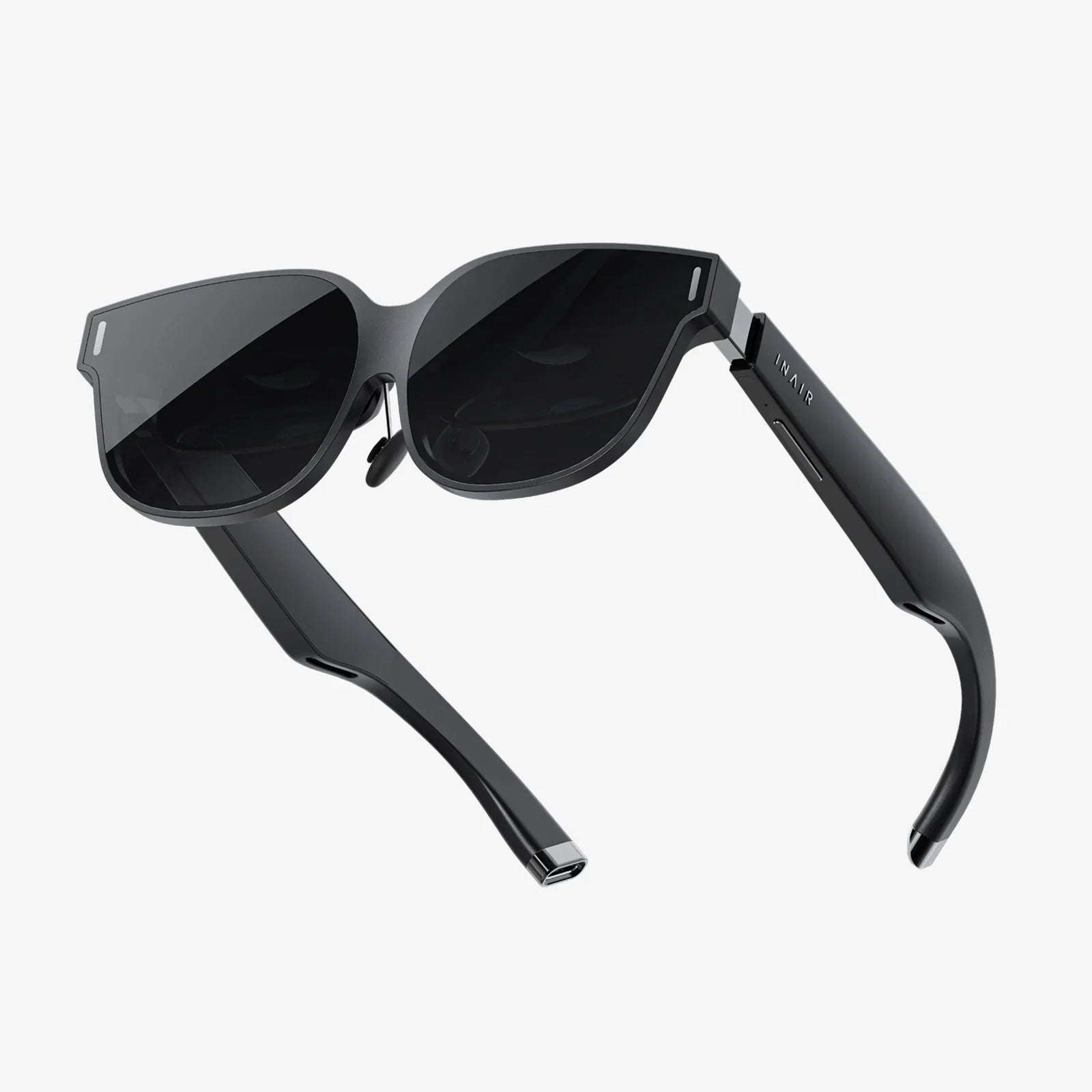
Imagine slipping on a pair of sleek, sophisticated goggles and instantly being transported to another world—a front-row seat at a concert, the cockpit of a fighter jet, or a virtual meeting room with colleagues from across the globe. This is no longer the stuff of science fiction; it's the compelling reality offered by today's top virtual reality goggles. The race to perfect digital immersion is fiercer than ever, pushing the boundaries of technology to create experiences that are increasingly seamless, powerful, and breathtakingly real. For anyone curious about stepping into the metaverse or simply elevating their entertainment and productivity, understanding what separates the best from the rest is the essential first step on this incredible journey.
The Pillars of Premium VR: What Truly Defines the "Top" Tier
The term "top virtual reality goggles" is not defined by a single feature but by a harmonious blend of several critical technological pillars. It is the synergy between these elements that creates a truly premium and believable experience, making the hardware itself disappear and leaving only the virtual world in its place.
Visual Fidelity: The Window to Another World
At the heart of any VR experience is the quality of the visual display. Top-tier headsets prioritize several key metrics to minimize the screen-door effect and maximize immersion.
- Resolution and Pixels-Per-Degree (PPD): Raw resolution numbers (e.g., 4K per eye) are important, but PPD is a more accurate measure of sharpness, indicating how many pixels are packed into each degree of your field of view. Higher PPD means crisper text, clearer distant objects, and a more lifelike image.
- Display Technology: Modern Pancake lenses have revolutionized headset design, allowing for a much slimmer and lighter form factor compared to older Fresnel lenses by folding the light path. They also provide a larger "sweet spot" and reduced god rays. Displays themselves are moving from LCD to advanced Mini-LED and OLED panels, offering superior contrast, deeper blacks, and more vibrant colors.
- Field of View (FoV): A wider FoV, typically measured diagonally, increases the sense of presence by reducing the binocular-like "goggle" effect. While human vision is approximately 210 degrees horizontally, most high-end headsets aim for 100-120 degrees, with future models targeting even higher.
- Refresh Rate: Measured in Hertz (Hz), a higher refresh rate (90Hz, 120Hz, and now up to 120Hz or even 144Hz on some devices) ensures smoother motion, which is critical for preventing simulator sickness and making fast-paced games and action feel fluid and responsive.
Tracking and Control: Your Body in the Virtual Space
Precise tracking is what allows your physical movements to be translated accurately into the digital realm. There are two primary methodologies employed by leading devices.
- Inside-Out Tracking: This is the modern standard for consumer accessibility. Cameras mounted on the headset itself track the environment and the controllers simultaneously, eliminating the need for external base stations or sensors. Advanced computer vision algorithms enable robust tracking of your movements, including hand tracking that lets you use your natural gestures without controllers at all.
- Outside-In Tracking: Often considered the gold standard for absolute precision (especially for competitive esports or professional applications), this method uses external sensors placed around the room to track LEDs on the headset and controllers. While offering unparalleled accuracy and latency, it requires a more complex setup in a dedicated space.
Comfort and Design: Forgetting You're Wearing a Computer
A headset can have the best specs on paper, but if it's uncomfortable to wear, it fails. Top models invest heavily in ergonomics.
- Weight Distribution: Innovative designs use rigid head straps with rear counterweights, often with a built-in battery in the back, to balance the load and prevent pressure on the face.
- Materials and Ventilation: Plush, breathable facial interfaces (often made of materials like faux leather or reactive foam) are used to create a comfortable seal. Active or passive ventilation systems are crucial to prevent lens fogging and keep the user cool during extended sessions.
- Interpupillary Distance (IPD) Adjustment: Both software and physical IPD adjustment mechanisms are vital for aligning the lenses with the user's pupils, ensuring a clear image and reducing eye strain.
Audio: The Unseen Hand of Immersion
3D spatial audio is a non-negotiable feature for high-end VR. Instead of standard stereo sound, built-in directional speakers or high-quality headphones simulate how sound behaves in a real 3D space. Hearing a bullet whiz past your ear or someone speaking from behind you completes the illusion of presence, often more effectively than visuals alone.
Beyond the Hardware: The Ecosystem is King
The hardware is only one half of the equation. The true value of a VR platform is locked within its software ecosystem and computational power.
Processing Power: Tethered vs. Standalone
The market is broadly split into two camps, each with its own advantages for being considered "top-tier."
- Tethered (PCVR/Console VR): These headsets connect via a high-speed cable to a powerful gaming PC or console. This external connection provides access to immense graphical processing power, enabling the highest-fidelity visuals, complex physics, and vast, detailed worlds that are simply impossible to render on a mobile chipset. They are the choice for enthusiasts and professionals who demand the absolute best visual experience.
- Standalone (All-in-One): These devices have all the necessary computing power built directly into the headset. They offer complete freedom of movement, with no wires to trip over or an expensive PC required. The convenience and accessibility of standalone VR have driven mass adoption. The performance gap is narrowing rapidly, with new chipsets enabling graphically impressive experiences that were unthinkable just a few years ago.
- A Hybrid Approach: Many modern standalone headsets also offer the ability to connect to a PC, effectively functioning as a high-end tethered device when desired. This flexibility makes them incredibly versatile, serving as both an accessible entry point and a capable enthusiast device.
The Content Library: A World of Experiences
A headset is a empty vessel without compelling software. The top platforms are supported by vast and diverse content libraries, including:
- Blockbuster Games: From intense first-person shooters and intricate RPGs to charming puzzle games and innovative fitness applications.
- Social and Productivity Apps: Platforms that allow users to meet, work, and create together in persistent virtual spaces are becoming a cornerstone of the "metaverse" vision.
- Media Consumption: Giant virtual screens for watching movies, 360-degree videos, and immersive documentaries.
Choosing Your Portal: Aligning Technology with Your Needs
There is no single "best" headset for everyone. The ideal choice depends entirely on your priorities, budget, and intended use cases.
- The Purist / Enthusiast: If your primary goal is experiencing the most graphically advanced simulations and games, and you already own a high-end gaming PC, a tethered-focused or hybrid headset is your destination. Prioritize resolution, FoV, and premium comfort for long sessions.
- The Explorer / Socializer: If you value freedom, convenience, and want to dive into social VR apps, fitness, and more casual gaming without being tied to one room, a powerful standalone device is the clear winner. Ease of use and a strong, exclusive content ecosystem are key.
- The Professional: For architects, designers, and trainers, reliability, sharp resolution for reading text, and comfortable extended wear are paramount. They may also require specialized software support and precise tracking for design reviews or virtual prototypes.
The Horizon of VR: What's Next for the Top Tier?
The technology is advancing at a breakneck pace. The features that define the top virtual reality goggles today will be standard tomorrow. Several key innovations are already on the horizon:
- Varifocal Lenses and Eye-Tracking: Current headsets have a fixed focal plane, which can cause vergence-accommodation conflict, a leading cause of eye strain. Next-gen headsets with eye-tracking will use varifocal lenses that dynamically adjust their focus based on where you are looking, creating a much more natural and comfortable visual experience. This technology also enables foveated rendering, where only the center of your vision is rendered in full detail, drastically reducing the GPU power needed.
- Micro-OLED Displays: This emerging display technology promises even higher resolutions, perfect blacks, incredible contrast ratios, and faster response times in a smaller form factor.
- Haptics and Full-Body Tracking: The future of immersion lies beyond sight and sound. Advanced haptic feedback in controllers, vests, and even gloves will allow users to feel virtual objects. Seamless, markerless full-body tracking will finally bring our entire digital avatars into the virtual world with us.
- Brain-Computer Interfaces (BCI): Looking further ahead, research into BCIs aims to allow navigation and control through neural signals, potentially making controllers obsolete and creating a direct link between the mind and the virtual environment.
The journey into virtual reality is more inviting and awe-inspiring than ever before. The current generation of top virtual reality goggles represents a monumental leap towards seamless immersion, blending raw technological power with thoughtful design to trick your senses and ignite your imagination. Whether you're drawn by the siren call of boundless virtual worlds, the promise of new forms of connection, or the practical applications for work and creativity, there has never been a better time to take the plunge. The gateway to experiences limited only by your imagination is waiting—all you have to do is put them on.
Share:
Virtual Reality Is Used For: Beyond Gaming Into a New Digital Epoch
Sharper Image Virtual Reality: The Next Frontier in Immersive Digital Experiences