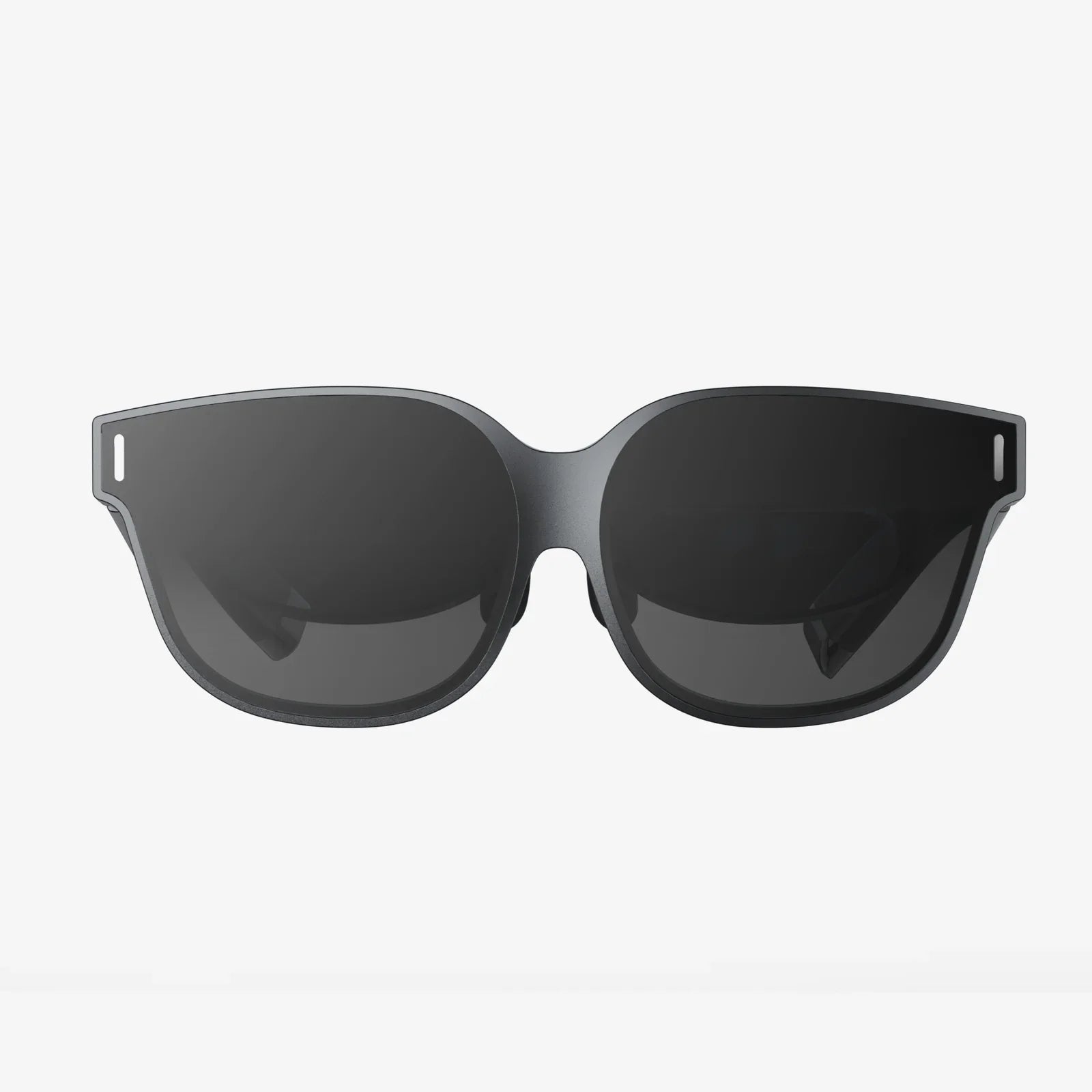
Imagine slipping on a pair of sleek, lightweight glasses and instantly being transported to a front-row seat at a concert on the other side of the world, collaborating with colleagues as lifelike holograms around a virtual conference table, or exploring the surface of Mars with a clarity that tricks your own senses into believing it's real. This is no longer the stuff of science fiction; this is the promise of the top virtual reality headsets of 2025. The pace of innovation has been nothing short of breathtaking, and this year's lineup represents a monumental leap from the clunky, tethered boxes of the past into a future of seamless, powerful, and truly immersive computing.
The New Paradigm: Beyond the Brick on Your Face
For years, the primary trade-off in VR was between power and portability. High-fidelity experiences required a powerful computer and a tether, while standalone devices sacrificed graphical prowess for wireless freedom. In 2025, that dichotomy has largely evaporated. The driving force behind this unification is a new generation of ultra-efficient, bespoke processors designed explicitly for spatial computing. These chipsets are not just more powerful; they are smarter, featuring dedicated cores for simultaneous localization and mapping (SLAM), AI-driven environment understanding, and real-time ray tracing, all while sipping battery power.
The physical design of the top headsets has undergone a radical transformation. The overarching trend is a shift from a "head-mounted display" to "augmented reality glasses" or "mixed reality visors." Materials are lighter and stronger, often employing advanced polymers and magnesium alloys. The focus is on balanced weight distribution, often moving the battery pack to the rear as a counterweight, making multi-hour sessions comfortable and fatigue-free. Forget the ski-goggle strap systems of old; 2025's best offerings feel like premium consumer electronics, designed for all-day wear as a true productivity and social device.
Visual Fidelity: The Resolution Revolution
If there is one area where the 2025 headsets truly shine, it is in the sheer quality of the visual experience. The era of the "screen door effect"—where users could see fine lines between pixels—is definitively over. The new benchmark for high-end devices is now "retina-level" or beyond, with per-eye resolutions exceeding 4K and pixel densities climbing north of 35 pixels per degree (PPD). This creates images that are incredibly sharp and lifelike, eliminating visual noise and allowing for text to be read as easily as on a high-quality monitor.
This leap is powered by a combination of next-generation micro-OLED and mini-LED pancake lenses. These lens systems are dramatically thinner and lighter than the Fresnel lenses of previous generations, and they eliminate the god rays and glare that plagued earlier hardware. Combined with local dimming zones on mini-LED displays, these headsets achieve contrast ratios and black levels that were previously impossible, making dark scenes in games or movies feel truly deep and immersive.
Furthermore, high dynamic range (HDR) is now a standard feature across the board. The ability to display a wider range of brightness, from the deepest blacks to the brilliant flash of a virtual explosion, adds a layer of visceral realism that profoundly impacts the sense of presence. When you look at a virtual sun, you instinctively squint.
The Mixed Reality Mandate
While pure virtual reality remains a powerhouse for gaming and specific simulations, the most significant evolution in 2025 is the seamless integration of the real and virtual worlds—Mixed Reality (MR). This is no longer a gimmick or a simple passthrough video feed. The top headsets feature high-resolution, full-color stereoscopic cameras that provide a real-time, lag-free view of your physical environment. Advanced computer vision algorithms then understand the geometry of your room, the objects in it, and even their material properties.
This allows for truly magical interactions. You can pin a virtual television to your physical wall, and it stays there, perfectly occluded by real-world objects that pass in front of it. You can use your physical desk as a surface for virtual tools and interfaces, typing on a virtual keyboard that feels anchored to reality. Developers are leveraging this capability for everything from virtual home design apps that let you see new furniture in your actual space to complex engineering tools that overlay schematics onto physical machinery. The headset is no longer a device that blocks out the world; it is a device that enhances it.
Intuitive Interaction: From Controllers to Cortex
Input methods have diversified to match the expanding use cases of VR/MR. The standard six-degrees-of-freedom (6DoF) motion controllers are still present and have been refined with better haptics, ergonomics, and finger-tracking capabilities. However, the bigger story is the maturation of inside-out tracking and hand-tracking.
Every leading headset now features robust, sub-millimeter hand-tracking that allows users to interact with virtual elements using nothing but their natural gestures. Pinching, grabbing, pushing, and pulling become intuitive actions, removing the abstraction of a controller. This is crucial for productivity applications and social interactions, where seeing and using your own hands is paramount for a sense of natural connection.
On the bleeding edge, we are seeing the first commercially viable implementations of emerging input technologies. Eye-tracking, once a premium feature, is becoming more common, enabling advanced performance optimization through foveated rendering (where only the spot you're directly looking at is rendered in full detail) and creating new avenues for expressive social avatars and accessible UI navigation. Even more experimental are neural interfaces in their infancy, with some devices offering optional electroencephalogram (EEG) straps that can detect rudimentary intent signals, like a concentrated thought to click a button, hinting at a future of truly mind-blowing control.
The Ecosystem is the Experience
A headset is only as good as the software it runs. In 2025, the ecosystem wars are in full swing, but a trend toward greater interoperability is emerging. The top platforms offer robust digital storefronts filled with content, but they also increasingly support open standards that allow for cross-platform experiences and social connectivity. The concept of the "metaverse" has evolved from a buzzword into a practical reality of interconnected virtual spaces where your identity, avatar, and digital possessions can travel with you.
Productivity suites are a major focus. The ability to have multiple virtual displays in a distraction-free environment is a killer app for remote workers and digital nomads. These virtual workspaces are now integrated with popular cloud services and video conferencing platforms, with MR allowing virtual meeting participants to appear as if they are sitting in your real-world room.
Gaming, of course, remains a colossal driver. The titles released in the last year are leveraging the new hardware to create experiences of unprecedented scale and detail. From hyper-realistic simulations to wildly creative social experiences, the library of must-play content is deeper than ever, appealing to both hardcore enthusiasts and casual users alike.
Choosing Your Portal: A Buyer's Consideration
With such an impressive array of options, choosing the right headset depends heavily on your primary use case. The market has effectively segmented into three tiers, though the lines are blurring.
The Premium All-Rounder: These devices represent the absolute peak of consumer technology. They boast the highest resolutions, the widest field of view, the most advanced MR capabilities, and the most comfortable designs. They are designed to be your primary computing interface for work and play. The trade-off is typically a higher price point, but for those who want the best of the best, they are worth every penny.
The Accessible Powerhouse: This tier represents the sweet spot for most enthusiasts. They offer fantastic performance, great displays, and solid MR features at a more accessible price. They might make slight compromises on maximum pixel density or use a slightly older, but still incredibly capable, processor. These devices provide 95% of the premium experience for a significantly lower cost and are the recommended starting point for most new users.
The Entry Gateway: Aimed at families, first-time users, and those on a strict budget, these headsets prioritize simplicity and affordability. They often focus on specific use cases like media consumption, fitness, or mobile gaming. They may lack the full-color high-fidelity MR passthrough of their bigger brothers, but they still deliver compelling VR experiences and are instrumental in bringing the next billion users into the spatial computing fold.
Gazing into the Crystal Ball: What's Next?
The advancements of 2025 are not the end of the road; they are a foundation. Research labs are already demonstrating prototypes with holographic displays that require no headsets at all, light-field technology that allows for natural eye accommodation (focusing at different virtual depths), and even more advanced neural interfaces. The trend is clear: the technology will continue to get smaller, smarter, and more seamlessly integrated into our daily lives. The goal is not to escape reality, but to augment it, to enhance human connection and capability in ways we are only beginning to imagine.
The barrier between our digital and physical lives is dissolving, and the top virtual reality headsets of 2025 are the elegant, powerful, and intuitive portals making it happen. This isn't just a new way to play games; it's a new way to work, create, connect, and explore. The question is no longer if you will eventually use this technology, but which incredible window into a universe of possibilities you will choose to open first.