


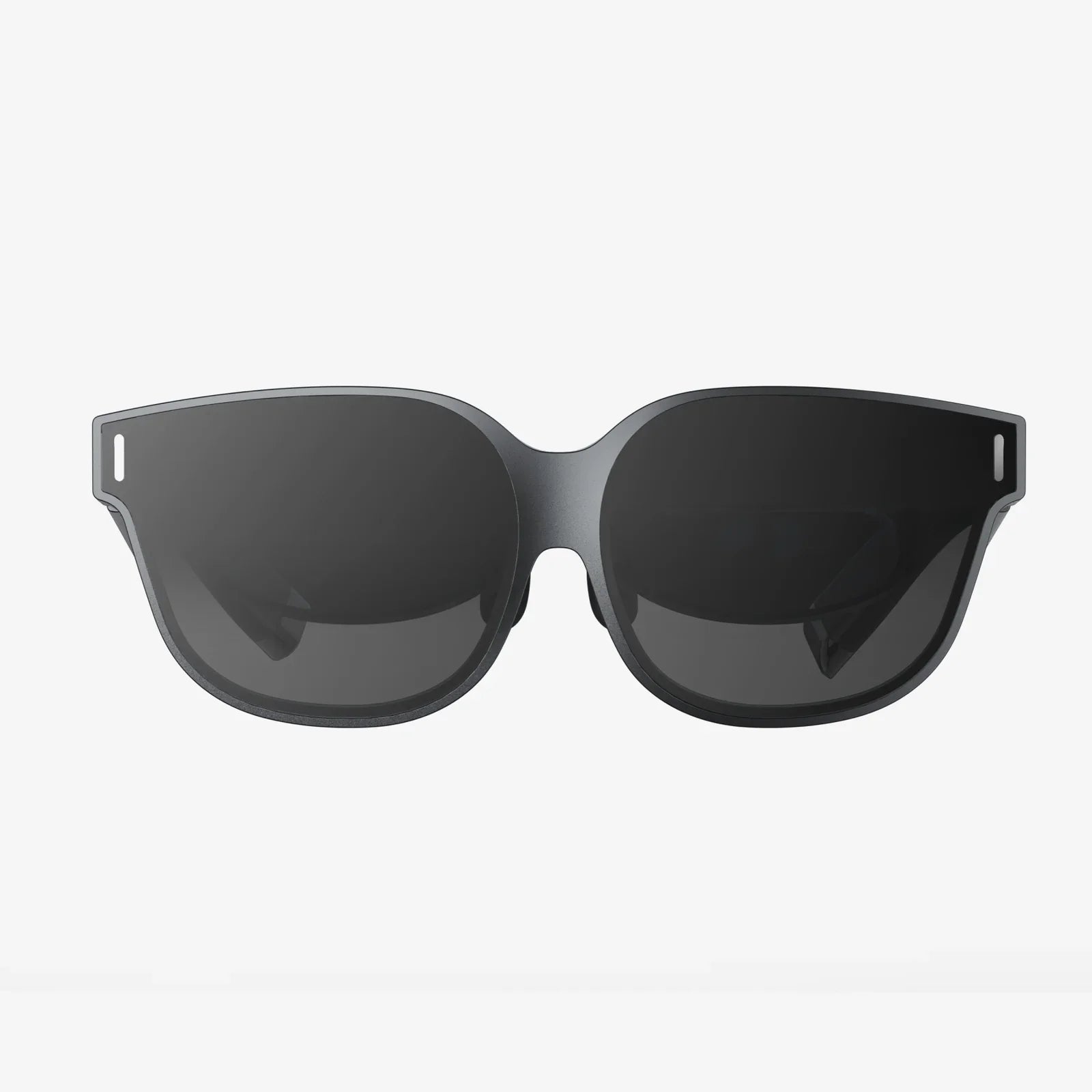
- by wangfred
Top VR Headset Brands Shaping the Future of Immersive Technology
- by wangfred
Imagine slipping on a sleek visor and instantly transporting yourself to a front-row concert seat, a strategic war room on Mars, or a virtual meeting space where colleagues feel palpably present. This is no longer the stuff of science fiction; it's the compelling reality being built today by the top VR headset brands, each vying to be the architect of our digital future. The race to dominate this nascent but explosively growing market is fiercer than ever, driven by a potent mix of technological leaps, vast corporate resources, and passionate indie innovation. The question is no longer if you will experience virtual reality, but which gateway you will choose to step through.
When discussing the heavyweights of the industry, two names consistently dominate the conversation, not merely for their hardware but for the vast, interconnected digital worlds they are constructing around it.
This particular brand, born from social media's core, has bet its entire future on the concept of the metaverse. Its strategy is not just to sell a peripheral but to offer a passport to a persistent, interconnected virtual society. Their hardware evolution tells a clear story: from the early, clunky PC-tethered development kits that kickstarted the modern VR era to the remarkably accessible all-in-one Quest line.
The genius of their approach lies in its accessibility. By eliminating the need for an expensive gaming computer or external sensors, they opened the VR floodgates to millions of consumers. Their devices are often praised for their intuitive controls, robust software library spanning games, fitness, social apps, and productivity tools, and a relentless focus on inside-out tracking that just works. The criticism they often face revolves around their business model, which is heavily reliant on user data and advertising, leading to privacy concerns for some users. Nonetheless, their market share is undeniably massive, making them the default gateway for countless newcomers to VR.
On the other side of the ring stands a titan of the gaming industry, a company with a storied history in consoles and first-party game development. Their foray into VR was a deliberate and calculated move to provide the highest-fidelity gaming experience possible. Unlike their all-in-one competitor, their flagship headset is a tethered device, designed to act as a premium peripheral to a powerful gaming PC.
This brand is synonymous with cutting-edge performance. Their headsets consistently push the envelope with features like eye-tracking technology (foveated rendering), high-resolution displays, wide field-of-view, and best-in-class comfort for long play sessions. They are the unequivocal choice for the hardcore gamer who values graphical fidelity, immersive audio, and seamless integration with a major PC gaming platform. The primary barrier to entry is, of course, cost—requiring not only the headset itself but a capable computer to run it. Their ecosystem, while smaller in sheer number of titles, is celebrated for its high-quality, polished exclusives that showcase the true potential of VR gaming.
Beyond the two consumer giants exists a vibrant landscape of specialists. These brands may not target the everyday consumer, but they are instrumental in pushing the technology into new, professional realms.
One standout brand has carved a formidable niche by focusing almost exclusively on the enterprise and professional market. Their headsets are not marketed for playing games but for designing cars, training surgeons, conducting virtual architectural walkthroughs, and facilitating remote collaboration for global engineering teams.
Their products are engineering marvels, often costing several times more than consumer devices. The value proposition lies in unparalleled precision. They offer features like ultra-high-resolution displays that make reading fine text easy, industry-leading inside-out tracking accuracy for manipulating 3D models, and robust comfort for extended professional use. For businesses where a mistake in the virtual world has real-world financial consequences, the superior accuracy and reliability of this brand's hardware are worth the investment. They are a prime example of how VR technology is transforming traditional industries far beyond entertainment.
For a specific segment of users—flight sim enthusiasts, racing sim fanatics, and VR arcades—another brand has long held a revered status. They were one of the original pioneers, and their headsets are known for a no-compromise approach to technical specifications. They often feature unique external sensor systems for millimetre-perfect tracking, high refresh rates for buttery-smooth motion, and excellent modularity.
While their market share in the general consumer space has been challenged by the convenience of all-in-one systems, they remain the gold standard for users who demand the absolute pinnacle of tracking precision and visual performance, especially in seated simulator setups. Their commitment to the high-end PC VR experience has cemented a loyal following.
Choosing a top-tier headset is no longer just about resolution. Several key technological and experiential factors define the leaders.
The window into virtual worlds is the display. Leading brands utilize fast-switching LCDs or vibrant OLED panels. Resolution is critical—often measured in pixels-per-degree to combat the "screen door effect"—but so are refresh rate (for smoothness), field-of-view (for immersion), and advanced features like local dimming for deeper blacks. The most advanced headsets now incorporate pancake lenses, which allow for a much slimmer and lighter form factor without sacrificing optical quality, a significant leap over the older Fresnel lens design.
How the headset understands your movement is fundamental. Inside-out tracking, where cameras on the headset itself map the environment, has become the consumer standard for its simplicity and lack of external hardware. Outside-in tracking, using external base stations, is still prized in professional and enthusiast settings for its sub-millimeter accuracy. Controller design has also evolved into an art form, with haptic feedback, finger-tracking capabilities, and ergonomic designs that make your virtual hands feel like your own.
This is the great divide. Standalone headsets offer complete freedom and accessibility, with all computing power contained within the device. Tethered headsets act as a display for a PC, offering vastly superior graphical power but sacrificing wireless freedom. Some modern devices are beginning to blur this line, offering a standalone mode with the option to connect to a PC for a premium experience.
A headset is a useless brick without software. The strength of an ecosystem—its digital storefront, exclusive titles, social platforms, and productivity apps—is perhaps the single most important factor for most consumers. A robust, constantly updated library of content is what keeps users engaged long after the initial "wow" factor wears off.
The current competition is just a prelude to the next major evolution of the technology. The top brands are already racing toward several key milestones.
Mixed Reality (MR) Passthrough: The line between VR and AR is blurring. High-quality color video passthrough is becoming a standard feature on new devices, allowing users to blend digital objects with their real-world environment. This unlocks applications far beyond gaming, from virtual monitors in your living room to interactive training on real equipment.
Eye and Face Tracking: Once a niche feature, eye-tracking is poised to become mainstream. It enables foveated rendering (dynamically rendering only where you are looking in high detail), a massive performance booster. More importantly, it allows for avatars that make genuine eye contact and convey real emotion, revolutionizing social interaction in virtual spaces.
Form Factor and Comfort:
The quest for the perfect form factor continues. The goal is to move from a "headset" to "eyewear"—lighter, more comfortable, and socially acceptable to wear for extended periods. This is crucial for the technology's adoption for all-day productivity and social use.With such rapid innovation, choosing a platform is a deeply personal decision that hinges on your priorities. Ask yourself: Is your primary goal easy, wireless fun and a massive app library? Then an all-in-one system from the social metaverse pioneer is likely your best bet. Are you a hardcore gamer who craves the highest possible fidelity and performance, with cost being a secondary concern? The high-fidelity gaming juggernaut's PC-tethered offering is unmatched. Are you a professional designer, architect, or medical practitioner seeking a tool for precision work? Then the enterprise specialist's hardware demands a close look.
The landscape of top VR headset brands is a thrilling battleground of ideas, where different philosophies about our digital future collide. This intense competition is the best thing possible for consumers, as it relentlessly drives innovation, refines experiences, and makes immersive technology more powerful and accessible with each passing year. We are no longer just buying a gadget; we are choosing a doorway into a new layer of reality, and the architects of these doorways are building faster and more brilliantly than ever before.
Your passport to these breathtaking new dimensions is closer than you think, and the battle between these technological titans ensures that whatever your budget or passion, there's a perfect gateway waiting to unlock experiences you once only dreamed of. The next era of human-computer interaction is being defined right now—will you step through and see what's on the other side?
Share:
What Can You Do With VR on iPhone - A Deep Dive Into Mobile Virtual Worlds
iPhone 7 VR Goggles: A Deep Dive into Mobile Virtual Reality's Pivotal Moment