


- by wangfred
Top VR Headset Comparison 2025: The Ultimate Buyer's Guide to the Next Generation
- by wangfred
You've seen the headlines, watched the trailers, and felt the buzz—2025 is being heralded as the true breakthrough year for virtual reality. But with an overwhelming array of new devices promising to transport you to other dimensions, how do you possibly choose the right one? The landscape has shifted dramatically, moving beyond mere gaming into a full-spectrum computing platform. This isn't just about buying a peripheral; it's about selecting your window to new realities, your tool for creation, and your gateway to connection. The choice is critical, and the stakes are higher than ever. We've spent hundreds of hours inside these virtual worlds, pushing every pixel and testing every feature so you don't have to. This is the only guide you need to navigate the exhilarating and complex market of next-generation VR.
Gone are the days when comparing headsets was a simple matter of screen resolution and refresh rate. The 2025 crop of devices represents a fundamental evolution in how we interact with digital information. The conversation has expanded to encompass a host of new critical metrics. Key differentiators now include field of view (FOV), which dictates your level of immersion; varifocal displays that reduce eye strain; inside-out tracking accuracy; and the emergence of sophisticated haptic feedback systems that extend to controllers, vests, and even full-body suits. Furthermore, the ecosystem—the available software, social platforms, and creative tools—is now just as important as the hardware itself. Choosing a headset is choosing a universe, and each platform offers a distinctly different experience.
Before diving into the devices, it's essential to understand the language of modern VR. Here’s what to look for:
Resolution is now measured in pixels-per-degree (PPD), a more accurate measure of clarity than total pixels, as it accounts for the field of view. In 2025, the top-tier devices are pushing beyond 35 PPD, approaching the theoretical limit of human visual acuity (60 PPD). Micro-OLED and advanced Mini-LED displays are now standard, offering perfect blacks, incredible contrast ratios (often over 1,000,000:1), and HDR capabilities that make virtual light look stunningly real. High Persistent Frame Rates (120Hz and now 144Hz native) are crucial for comfort and realism, eliminating any perceived latency.
The humble lens has undergone a revolution. Pancake lenses are now ubiquitous, allowing for incredibly slim headset designs. The new battle is between fixed, high-quality aspherical lenses and state-of-the-art varifocal systems. Varifocal technology uses eye-tracking to dynamically adjust the focal plane of the display, matching where your eyes are naturally looking. This solves the Vergence-Accommodation Conflict (VAC), a primary source of eye strain and a barrier to long-term comfort in previous generations. This isn't just a spec; it's a game-changer for usability.
Inside-out tracking, where cameras on the headset map the world and your controllers, has reached near-perfect fidelity. The new frontier is body tracking. Advanced headsets now feature downward-facing cameras that can track your legs, torso, and full body pose without additional hardware, enabling incredibly natural avatars in social and professional applications. Controllers have also evolved, with some opting for ultra-precise, self-tracked ringless designs, while others have moved to open-palm haptic feedback gloves that provide tactile sensation for a truly unparalleled level of immersion.
The clunky, front-heavy designs of the past are history. The best 2025 headsets have achieved a balanced, glasses-like form factor. Weight distribution, breathable materials, and modular designs (allowing for custom facial interfaces and prescription lens inserts) are paramount. The goal is no longer a one-hour gaming session but an eight-hour workday or a full evening of socializing in VR. Comfort is now a primary spec, not an afterthought.
While we avoid brand names, the market has coalesced into several clear archetypes, each catering to a different user philosophy and set of needs.
This category represents the wireless workhorses of the industry. These devices contain all the necessary processing power onboard, untethering you completely from a external computer. The 2025 iterations boast processing power that rivals mid-tier gaming laptops, capable of delivering stunning, native experiences. With ultra-fast wireless connectivity for potential cloud streaming and expanded internal storage options (1TB+ is common), these are the devices for users who value freedom, simplicity, and a massive, accessible library of content above all else. They are the jack-of-all-trades, perfect for gaming, fitness, media consumption, and social VR.
For the user who demands absolute peak performance, this archetype remains the king. These headsets act as pure displays, connecting via a single, high-bandwidth cable to a powerful external computer. This setup unlocks graphical fidelity that is simply impossible for mobile chipsets to replicate. We're talking about photorealistic environments, incredibly complex simulations, and vast, detailed worlds. In 2025, these headsets feature the absolute highest resolution displays, the widest field of view (often exceeding 140 degrees), and the most advanced eye-tracking and foveated rendering systems, which dramatically boost performance by only fully rendering the part of the scene you're directly looking at. This is the tool for hardcore sim enthusiasts, professional developers, and graphic purists.
VR is a transformative tool for business, and a specific class of headset is built exclusively for this market. These devices prioritize reliability, security, and specific enterprise-focused features over flashy consumer specs. Think: ultra-high-resolution color passthrough for seamless mixed reality workflows, built-in user management and device administration software, advanced privacy filters, and ruggedized designs. They often come with specialized controllers or are designed for use with haptic gloves for CAD modeling, medical training, or virtual collaboration. The cost is higher, but the value proposition for a Fortune 500 company is undeniable.
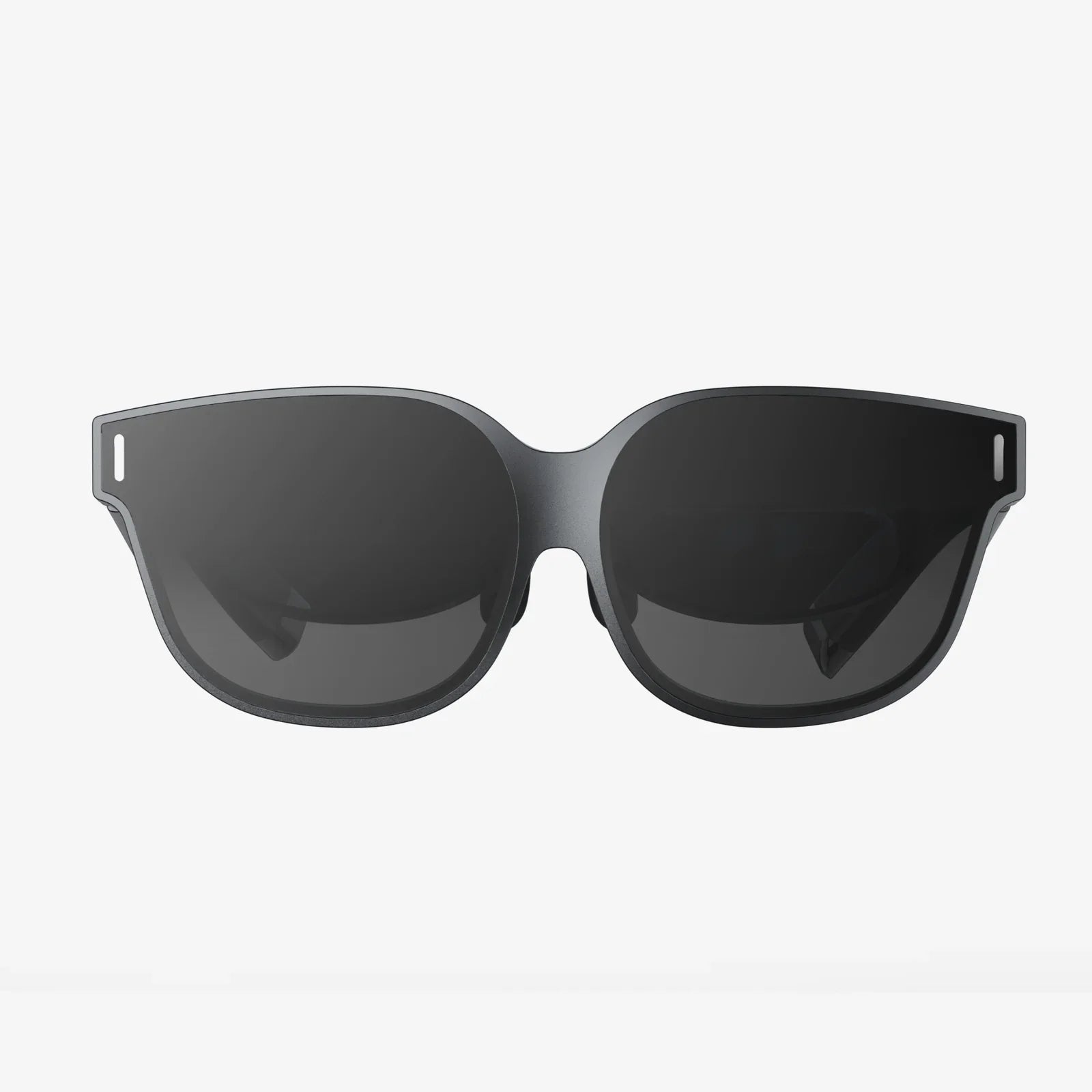
A new category has emerged for the mass market. These headsets are incredibly lightweight, often resembling large sunglasses. They sacrifice some raw processing power and graphical fidelity for a form factor you can comfortably wear anywhere. They are designed primarily for media consumption, light social interaction, and mobile augmented reality overlays, powered by your companion smartphone or a compact processing puck. Their goal is to be the device you grab as easily as your phone, offering a quick VR fix without the setup of a full-featured headset.
So, which path is right for you? It boils down to your primary use case.
A headset is a beautiful door, but it's the software that determines what worlds lie behind it. In 2025, the ecosystem is everything. Evaluate the content library, the strength of the social platform, and the availability of creative tools. Look for platforms with strong cross-buy and cross-play support to ensure you can enjoy experiences with friends regardless of their hardware. The most forward-thinking ecosystems are those investing in user-generated content (UGC) tools, allowing players to become creators and build within the virtual worlds themselves, ensuring a constant stream of fresh experiences.
The dream of seamless, comfortable, and truly transformative virtual reality is no longer a promise for the distant future—it's a reality you can unbox today. The devices of 2025 have tackled the fundamental hurdles of comfort, visual clarity, and intuitive interaction, finally delivering on the medium's immense potential. Whether you're battling dragons in a crystal-clear fantasy realm, collaborating with colleagues across the globe as if you were in the same room, or simply watching a movie on a virtual IMAX screen, the experience is now so compelling and frictionless that the technology itself disappears, leaving only the magic. The only question left is not if you will step through, but which portal you will choose. Your next great adventure awaits.
Share:
VR Goggles for iPhone 6: The Ultimate Guide to Mobile Virtual Reality
What Do You Need to Have a VR Headset - The Ultimate Pre-Purchase Checklist