


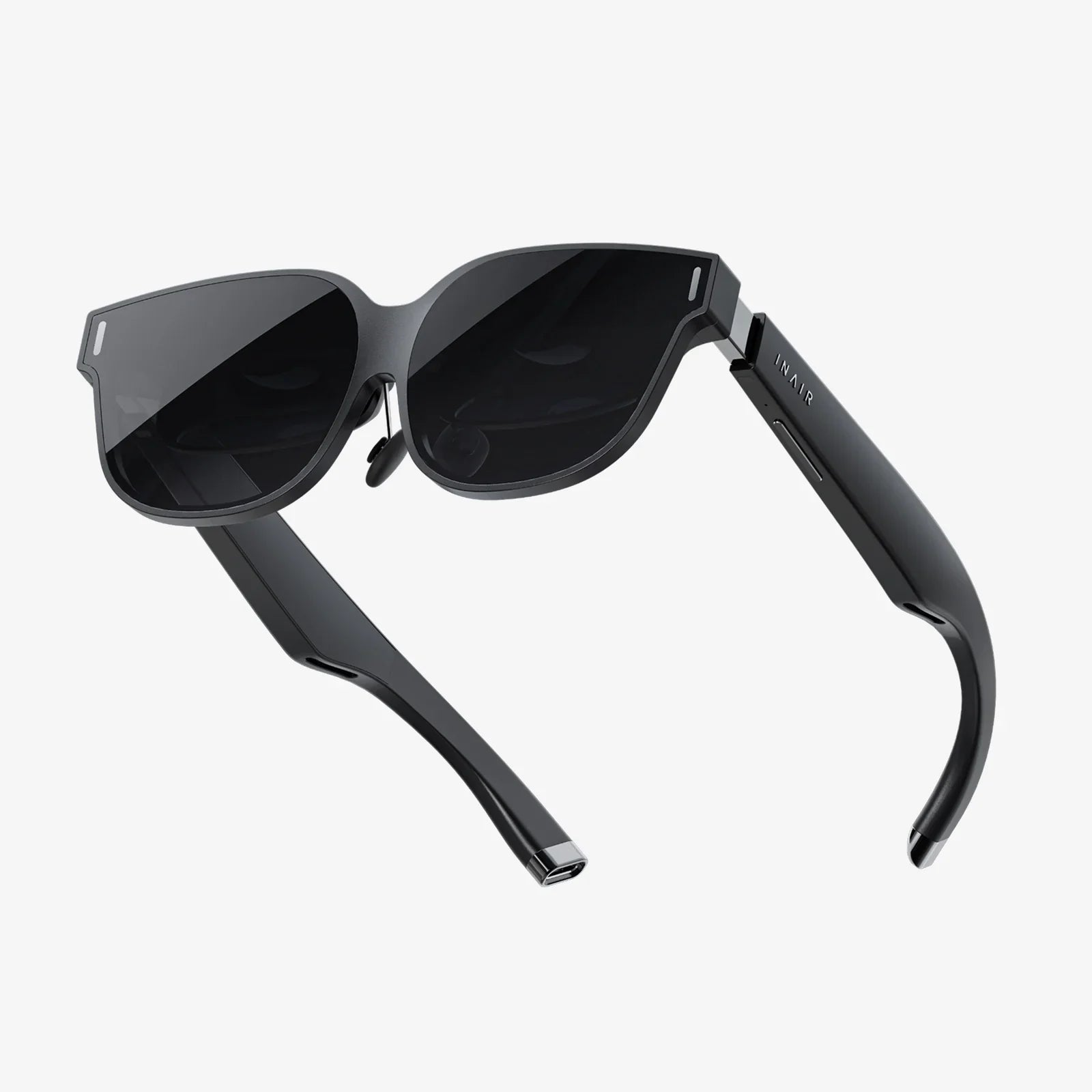
Imagine slipping on a device and instantly being transported to a front-row seat at a concert on the other side of the world, walking on the surface of Mars, or standing inside a human heart. This is no longer the stuff of science fiction; it’s the palpable reality offered by today’s top VR headset technology. The virtual frontier is open for exploration, and the gateway is more accessible and awe-inspiring than ever before. The journey into these immersive digital worlds begins with a single, crucial decision: choosing the right headset to unlock your potential. This definitive guide cuts through the noise to explore the technology, the experiences, and the future that a top-tier VR headset can deliver.
The Pillars of VR Immersion: What Truly Defines a Top VR Headset?
Not all virtual reality experiences are created equal. The chasm between a basic mobile-based viewer and a high-fidelity, room-scale system is vast. The defining characteristics of a top VR headset are built upon several core technological pillars that work in concert to create a convincing and comfortable illusion.
Visual Fidelity: The Window to Another World
The quality of the display is paramount. It's the primary conduit through which the virtual world is perceived. Key metrics include:
- Resolution and Pixels-Per-Degree (PPD): Higher resolution screens reduce the "screen-door effect"—that visible grid of lines between pixels—making the image appear solid and real. PPD is a more accurate measure, indicating how many pixels are packed into each degree of your field of view. A higher PPD means a sharper, clearer image.
- Refresh Rate: Measured in Hertz (Hz), this is how many times the image on the screen refreshes per second. A higher refresh rate (90Hz and above is standard for top headsets) results in smoother motion, drastically reducing latency and the potential for motion sickness. Some flagship devices now push 120Hz for an even more fluid experience.
- Field of View (FoV): This is the extent of the observable world seen at any given moment, measured diagonally in degrees. A wider FoV (110 degrees or more) enhances the feeling of presence, making the virtual environment feel vast and encompassing rather than like looking through a pair of binoculars.
- Lens Technology: Advanced lens designs, like Fresnel or pancake lenses, are crucial for directing light correctly to the eyes, managing distortion, and providing a sweet spot of clarity. The best lenses offer edge-to-edge sharpness and minimal glare or "god rays."
Tracking and Controllers: Your Body in the Machine
Precise tracking is what separates a novelty from a transformative tool. It’s the technology that translates your real-world movements into the virtual space.
- Inside-Out vs. Outside-In Tracking: Modern top VR headsets predominantly use inside-out tracking, where cameras on the headset itself observe the environment to track its position and the movement of the controllers. This eliminates the need for external base stations or sensors, making setup easier and more portable. Outside-in tracking uses external sensors placed around the room for extremely high, millimetre-accurate precision, often favoured by enthusiasts.
- Controller Design and Haptics: The controllers are your hands in VR. Ergonomic design, intuitive button placement, and accurate finger tracking are essential. Advanced haptic feedback goes beyond simple vibration, providing nuanced sensations like the feeling of tapping a surface, the recoil of a tool, or the texture of an object.
Comfort and Design: For Long Journeys in Virtual Realms
A headset can have the best specs on paper, but if it’s uncomfortable to wear, it fails. Design considerations are critical for prolonged use.
- Weight Distribution and Straps: A top VR headset uses balanced weight distribution and robust strap systems (often rigid halo-style or elite-style straps with a rear counterweight) to avoid pressure on the face. This prevents fatigue during extended sessions.
- Materials and Ventilation: Lightweight materials, breathable face gaskets (often made of hygienic, washable foam or silicone), and active ventilation systems help manage heat buildup and prevent the lenses from fogging up.
- IPD Adjustment: Interpupillary Distance (IPD) is the distance between the centers of your pupils. Physical IPD adjustment allows users to mechanically shift the lenses to match their specific eye separation, which is vital for visual clarity and comfort.
Audio: The Unseen Hand of Immersion
3D spatial audio is half of the immersion equation. High-quality, integrated audio solutions that deliver directional sound cues are non-negotiable. The best systems use built-in, near-ear speakers that don't isolate you from your real environment entirely but provide rich, positional sound that sells the illusion. For private immersion, a standard audio jack allows for high-end headphones.
Beyond the Spec Sheet: Understanding the VR Ecosystem
Choosing a top VR headset isn't just about hardware; it's about choosing an entire ecosystem. This dictates the software you can access, how you interact with others, and the future-proofing of your investment.
Standalone vs. Tethered vs. Mobile: The Great Divide
The market is segmented into three primary categories, each with its strengths and trade-offs.
- Standalone VR Headsets: These are all-in-one units with a mobile processor, memory, and battery built directly into the headset. They are completely wireless, offering unparalleled freedom and ease of use. You can take them anywhere and be in VR within seconds. The trade-off is that their graphical processing power is mobile-grade, meaning visuals, while impressive and constantly improving, cannot match the raw fidelity of a tethered PC-powered experience.
- Tethered/PCVR Headsets: These headsets act as a display and sensor hub but are powered by a high-end gaming computer. They are connected via a high-speed cable. This setup delivers the absolute pinnacle of visual fidelity, with photorealistic graphics, complex physics, and vast, detailed worlds. It’s the domain of hardcore gamers and professionals. The obvious downside is being tethered to a powerful and expensive computer, limiting physical movement.
- Mobile VR (Legacy): This category, which involved slotting a smartphone into a head-mounted holder, has largely been phased out by the rise of superior standalone technology.
The Software Library: The Experiences That Matter
A headset is a empty vessel without compelling content. The depth and breadth of the available software library are a critical deciding factor. A top VR headset platform will offer a rich storefront with a wide array of experiences: blockbuster games, innovative indie titles, creative tools, social hubs, and professional applications. Cross-buy support, where purchasing a game on one platform grants access on another (e.g., standalone and PC version), is a highly valued consumer-friendly feature.
Social and Metaverse Integration
VR is increasingly a social medium. Platforms are building interconnected social spaces—often referred to as the nascent metaverse—where users can meet, attend events, play games, and create together. The choice of headset can determine your access to these specific social graphs and virtual economies.
The Expanding Universe of VR: Far More Than Just Games
While gaming is the engine that has driven VR adoption, the applications for a top VR headset extend into nearly every facet of modern life.
Revolutionizing Professional and Educational Fields
- Healthcare: Surgeons practice complex procedures on virtual patients, medical students explore detailed anatomical models, and therapists use exposure therapy to treat phobias and PTSD.
- Architecture and Design: Architects and clients can walk through unbuilt designs at full scale, making changes in real-time. Engineers can prototype and interact with 3D models of machinery.
- Corporate Training: From training retail employees for high-pressure sales events to simulating dangerous scenarios for first responders, VR provides a safe, scalable, and effective training environment.
- Education: Students can take virtual field trips to historical sites, dive into the bloodstream, or manipulate the solar system, transforming abstract concepts into tangible experiences.
Social Connection and Live Events
VR is breaking down geographical barriers. People can gather in virtual spaces to watch movies, attend live concerts with front-row views, or simply hang out in custom environments. This sense of "co-presence"—feeling like you are truly with someone else—is a powerful draw that traditional video calls cannot replicate.
Fitness and Wellness
VR fitness has exploded in popularity. A top VR headset can be your personal gym, offering engaging rhythm games, boxing workouts, and guided meditation experiences that are far more enjoyable than staring at a wall in a traditional gym. Motion tracking provides a full-body workout, and wireless freedom is essential for this sweaty application.
Choosing Your Portal: A Buyer's Considerations
With the landscape mapped out, your personal choice depends on aligning the technology with your needs, budget, and existing hardware.
Identifying Your Primary Use Case
Ask yourself: What do I want to do most in VR? Your answer will point you in the right direction.
- The Hardcore Gamer: If you demand the highest graphical fidelity and have a powerful gaming PC, a tethered PCVR headset is your calling.
- The Casual User & Socializer: If you value convenience, want to play fun, accessible games, and dive into social apps, a high-end standalone headset is the perfect fit.
- The Fitness Enthusiast: A wireless standalone headset with a comfortable, secure fit and a good selection of fitness apps is mandatory.
- The Professional: Needs depend on the industry, but often require either high-resolution standalone models for client presentations or premium tethered headsets for detailed design and engineering work.
Budgeting for the Entire Experience
The cost of the headset is only part of the investment. For tethered PCVR, you must factor in the cost of the capable gaming PC if you don’t already own one. For all systems, consider the ongoing cost of software; premium games can be priced similarly to flat-screen titles. Also, factor in accessories: additional face gaskets for hygiene, upgraded comfort straps, rechargeable batteries for controllers, and possibly a dedicated router for wireless streaming to a standalone headset.
Future-Proofing and Upgradability
VR technology is advancing rapidly. While it's impossible to future-proof completely, some platforms have a stronger track record of supporting their hardware with long-term software updates and access to new features. Consider the company's roadmap and commitment to the ecosystem.
The Horizon Beckons: The Future of VR Technology
The evolution of the top VR headset is marching toward making the hardware itself disappear—not literally, but perceptually. The goal is to achieve such a level of comfort and visual fidelity that the user forgets they are wearing technology and accepts the virtual world as real. Several key innovations are on the cusp of mainstream adoption:
- Varifocal Lenses and Eye-Tracking: Current headsets have a fixed focal distance, which can cause a conflict between where your eyes converge and focus, leading to eye strain. Varifocal lenses dynamically adjust their focus based on where you are looking, tracked by internal eye-tracking cameras. This also enables foveated rendering, a revolutionary technique that renders only the spot you're directly looking at in full detail, while intelligently reducing the detail in your peripheral vision. This dramatically reduces the computational power needed, allowing for more complex graphics on standalone devices.
- Micro-OLED Displays: These new display technologies offer incredible contrast ratios (true blacks), high resolutions, and fast response times in a smaller form factor, paving the way for lighter, more compact headsets with stunning image quality.
- Haptic Suits and Gloves: The next step in immersion is full-body haptics. Consumer-grade haptic vests and gloves are beginning to emerge, allowing users to feel impacts, textures, and temperature changes in virtual environments.
- Brain-Computer Interfaces (BCI): Looking further ahead, research into BCIs aims to allow users to control virtual interfaces and experiences through neural signals alone, ultimately creating the most intuitive and immersive input method possible.
The door to virtual worlds is wide open, and the key is more powerful and accessible than ever. Whether you seek the untethered freedom of a standalone device or the raw graphical power of a PC-driven system, the perfect top VR headset is waiting to redefine your reality. This is just the beginning of a fundamental shift in how we compute, connect, and play. The question is no longer if you will step through, but when, and what you will create on the other side.
Share:
Best Cheap VR Headset for PC: Your Ultimate Guide to Affordable Immersion
VR Headset for TV: The Ultimate Guide to Transforming Your Viewing Experience