


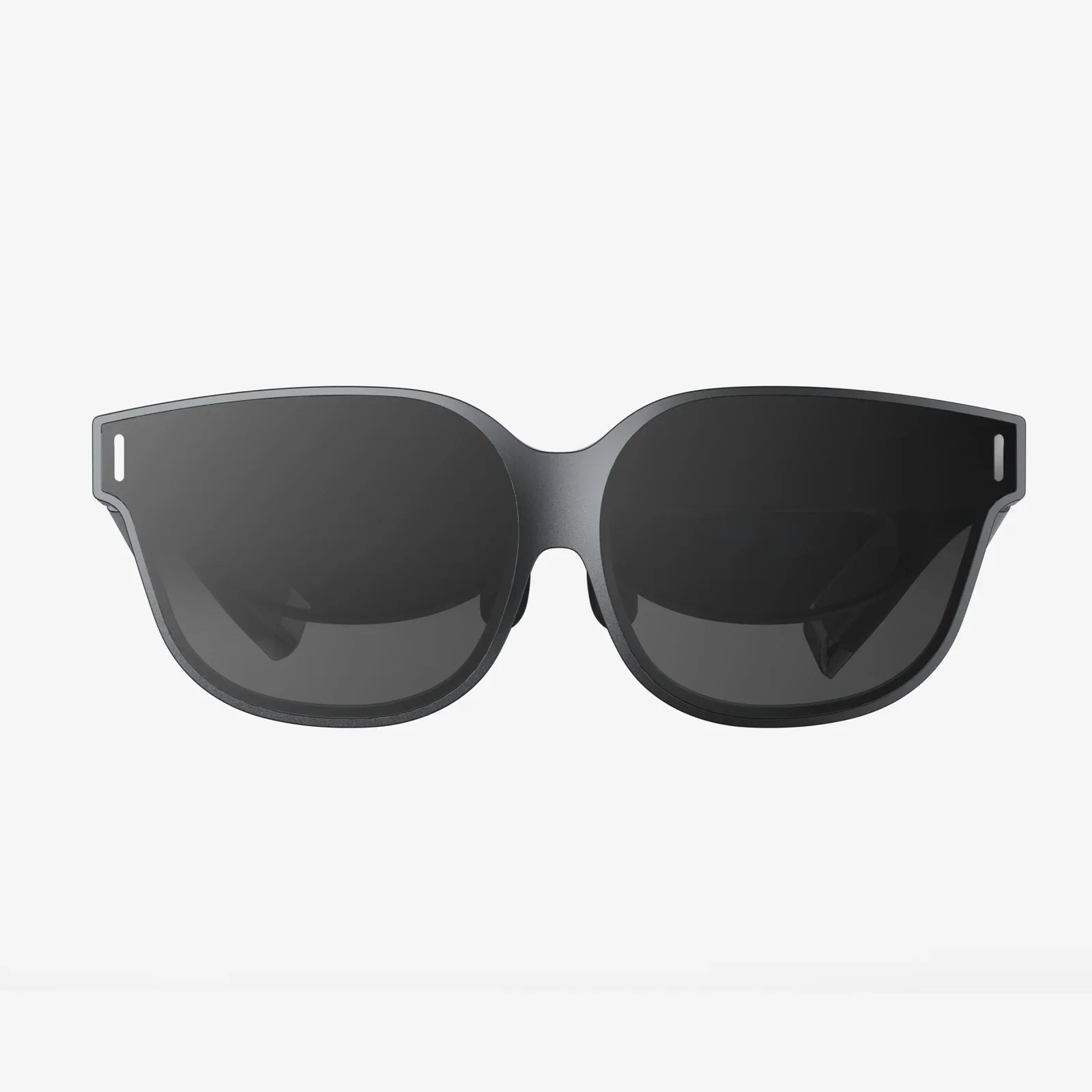
Imagine stepping through a portal into another world, a dimension where the only limit is imagination itself. This is the promise of top-tier virtual reality, a technological frontier that has evolved from a sci-fi fantasy into a powerful, accessible, and profoundly transformative medium. The journey to find the best VR experience is about more than just specs; it's about discovering a gateway to new realities.
The quest for the top VR experience is a multi-faceted one. It's not defined by a single feature but by a harmonious blend of technological prowess, user-centric design, and a vibrant, engaging content library. True top-tier VR achieves something magical: it makes the technology itself disappear, leaving only the experience.
The Pillars of a Premium VR Experience
What separates a good VR system from a truly great one? Several key pillars work in concert to create an experience that feels seamless, immersive, and utterly compelling.
Visual Fidelity and Display Technology
The window to any virtual world is the headset's display. Top VR systems prioritize high resolution, a fast refresh rate, and advanced lens technology to minimize the screen-door effect—the visible grid lines between pixels that can shatter immersion. A high pixel-per-degree (PPD) count ensures text is sharp and distant objects are clear, which is crucial for both gaming and productivity. Furthermore, technologies like High Dynamic Range (HDR) and local dimming are beginning to appear, creating richer contrasts and more vibrant, lifelike colors that deepen the sense of "being there."
Precision Tracking and Intuitive Controls
Immersion breaks the moment your virtual hands don't move like your real ones. Superior VR utilizes inside-out tracking, where cameras on the headset itself map the environment and track the controllers, eliminating the need for external base stations. This allows for greater freedom of movement and a simpler setup. The controllers themselves are a critical interface. Top-tier controllers offer ergonomic design, haptic feedback that provides nuanced tactile sensations, and finger-tracking capabilities that allow for natural gestures, making interactions feel less like using a tool and more like using your own hands.
Performance and Processing Power
A stuttering, laggy virtual world is not only disappointing but can also induce motion sickness. Flawless performance is non-negotiable. For tethered systems, this means a powerful computing unit is essential to render complex worlds at high frame rates. For standalone systems, the integrated processor must strike a delicate balance between generating impressive graphics and maintaining battery life without overheating. This seamless performance is the invisible engine that powers presence—the brain's conviction that the virtual environment is real.
Comfort and Ergonomic Design
A top VR system is designed for long-term use. If a headset is too heavy, poorly balanced, or gets uncomfortably hot, users will not want to stay in VR for extended periods. Advanced systems employ sophisticated weight distribution, often by placing the battery at the back of the headstrap as a counterweight, and use materials that are breathable and soft against the skin. Adjustable IPD (Inter-Pupillary Distance) and diopter lenses are also hallmarks of a premium experience, ensuring a clear and comfortable view for a wider range of users without the need for glasses.
The Expansive Worlds of VR Content
The most powerful hardware is meaningless without compelling software. The ecosystem of available content is arguably the most important factor in defining a top VR platform.
Gaming: The Driving Force
VR gaming remains the primary application, offering unparalleled levels of immersion. From heart-pounding horror titles that make you afraid to turn around to intricate puzzle games that have you manipulating physics with your own hands, the best VR games are those that could not exist in any other medium. Social VR platforms have also emerged as massive virtual playgrounds, allowing users to meet, play, and create together in persistent online worlds, blurring the line between gaming and social networking.
Beyond Gaming: Productivity and Creation
The application of top VR extends far beyond entertainment. Virtual desktops allow users to surround themselves with multiple large, virtual monitors, creating a profound portable workspace. Architects and designers walk clients through 3D models of buildings before a single brick is laid. Artists use VR as a new medium, sculpting and painting in three-dimensional space with an intuitive, physical connection to their work that a mouse and keyboard cannot provide. This transformation of digital creativity and remote collaboration is a key indicator of a mature platform.
Fitness and Wellbeing
VR has successfully rebranded exercise as entertainment. A top VR ecosystem includes a range of fitness applications that use motion tracking to guide users through rhythm-based workouts, boxing, and other high-intensity activities. By making workouts fun and gamified, these platforms offer a powerful tool for maintaining physical health. Furthermore, VR is being explored for mental wellbeing, with applications designed for meditation, exposure therapy, and managing stress through calming, guided virtual environments.
The Seamless Ecosystem: Software and Social Integration
A device does not exist in a vacuum. The best VR systems are part of a cohesive ecosystem that enhances their utility.
User Interface and Experience
The virtual menu system, or "home" environment, is the user's first point of contact. A top VR system offers an intuitive, easy-to-navigate interface for accessing the library, adjusting settings, and connecting with friends. The ability to seamlessly switch between a game, a virtual meeting, and a web browser without removing the headset is a mark of a sophisticated platform designed for more than just short bursts of activity.
Social and Connectivity Features
The future of computing is social, and VR is at its forefront. Features like avatar creation, cross-platform app support, and the ability to easily invite friends into your virtual space—whether to watch a movie, attend a concert, or simply hang out—are essential. The ability to share your real-world keyboard into VR or receive smartphone notifications ensures you remain connected without breaking immersion, striking a balance between the virtual and the real.
Gazing into the Virtual Future
The evolution of top VR is moving at a breathtaking pace. Several emerging technologies are poised to redefine the experience once again. Varifocal lenses, which dynamically adjust focus based on where you are looking, could finally solve the vergence-accommodation conflict, a primary source of eye strain. The integration of eye-tracking will enable foveated rendering, where only the center of your gaze is rendered in full detail, drastically reducing the processing power needed for photorealistic graphics. This technology will also enable more expressive avatars, as your virtual eyes can mimic your real ones. Further out, research into haptic gloves and full-body suits promises to engage the sense of touch, moving us closer to the ultimate goal: perfect sensory immersion.
The line between our digital and physical lives is not just blurring; it's being rebuilt in three dimensions. Top VR is no longer a novelty but a legitimate platform for play, work, and human connection. It offers a glimpse into the future of the internet—a spatial, experiential web where we are no longer observers but inhabitants. The journey to find your perfect portal is an invitation to step into the next chapter of computing and explore the infinite possibilities that await on the other side.
Share:
What Does HUD Mean? The Ultimate Guide to Head-Up Displays
Mobile Web AR: The Invisible Revolution Reshaping Our Digital and Physical Worlds