


Imagine a world where your clothing monitors your posture, your ring tracks your stress levels, and your glasses translate a foreign street sign in real-time. This isn't a distant sci-fi fantasy; it's the imminent reality being built by the relentless innovation in top wearable tech. The conversation has dramatically shifted from simple step counting to a holistic reimagining of how we interface with technology, data, and our own bodies. We are on the cusp of a revolution where the line between human and computer blurs, offering unprecedented power and insight directly from the devices we wear.
The Evolution of the Wrist: From Pedometer to Health Hub
The journey of modern wearable technology began, for most, on the wrist. What started as a basic digital watch with a pedometer function has exploded into a sophisticated category of wrist-worn computers. Today's dominant wristwear is a powerhouse of miniaturized sensors, capable of painting a detailed picture of our daily lives.
These devices have become our personal health companions, continuously monitoring a suite of physiological metrics. Advanced optical heart rate sensors provide not just real-time pulse data but can now detect abnormal rhythms, potentially flagging conditions like atrial fibrillation. Accelerometers and gyroscopes track movement with astonishing accuracy, distinguishing between a walk, a run, and a swim. But the innovation runs deeper.
Bioimpedance sensors measure body composition, while skin temperature sensors can track subtle changes that may indicate the onset of illness or, in women, ovulation. The most cutting-edge devices are incorporating electrocardiogram (ECG) apps, offering medical-grade heart rhythm tracking, and blood oxygen saturation (SpO2) monitors, providing crucial data for understanding sleep quality and overall respiratory health. The wrist has truly transformed into a 24/7 health dashboard, empowering individuals with data that was once accessible only in a clinical setting.
Beyond the Wrist: The Expansive Universe of Wearables
While the wrist is a familiar home, the true frontier of top wearable tech lies elsewhere on the body. This expansion is breaking the mold and introducing specialized devices for every aspect of human existence.
Smart Audio and Hearables
Earbuds and headphones have shed their passive role. Modern hearables are intelligent audio processors that adapt to our environment. They feature active noise cancellation to create pockets of tranquility in chaotic spaces and transparency modes to blend digital audio with the real world seamlessly. Beyond music, they are becoming translation devices, health monitors (using in-ear heart rate sensors), and powerful assistants activated by voice. They represent a move towards always-available, context-aware computing that doesn't require looking at a screen.
Smart Apparel and E-Textiles
The integration of technology into fabric is perhaps the most seamless vision of wearables. Smart shirts with woven sensors can provide detailed ECG readings and measure breathing rate during athletic activity, offering biomechanical feedback far beyond a wrist-based device. Socks can analyze a runner's gait, while smart shoes can automatically adjust their fit. Jackets with integrated heating elements or flexible displays are moving from prototype to production. This category promises a future where technology is invisible, comfortable, and woven directly into the items we already wear every day.
Smart Eyewear
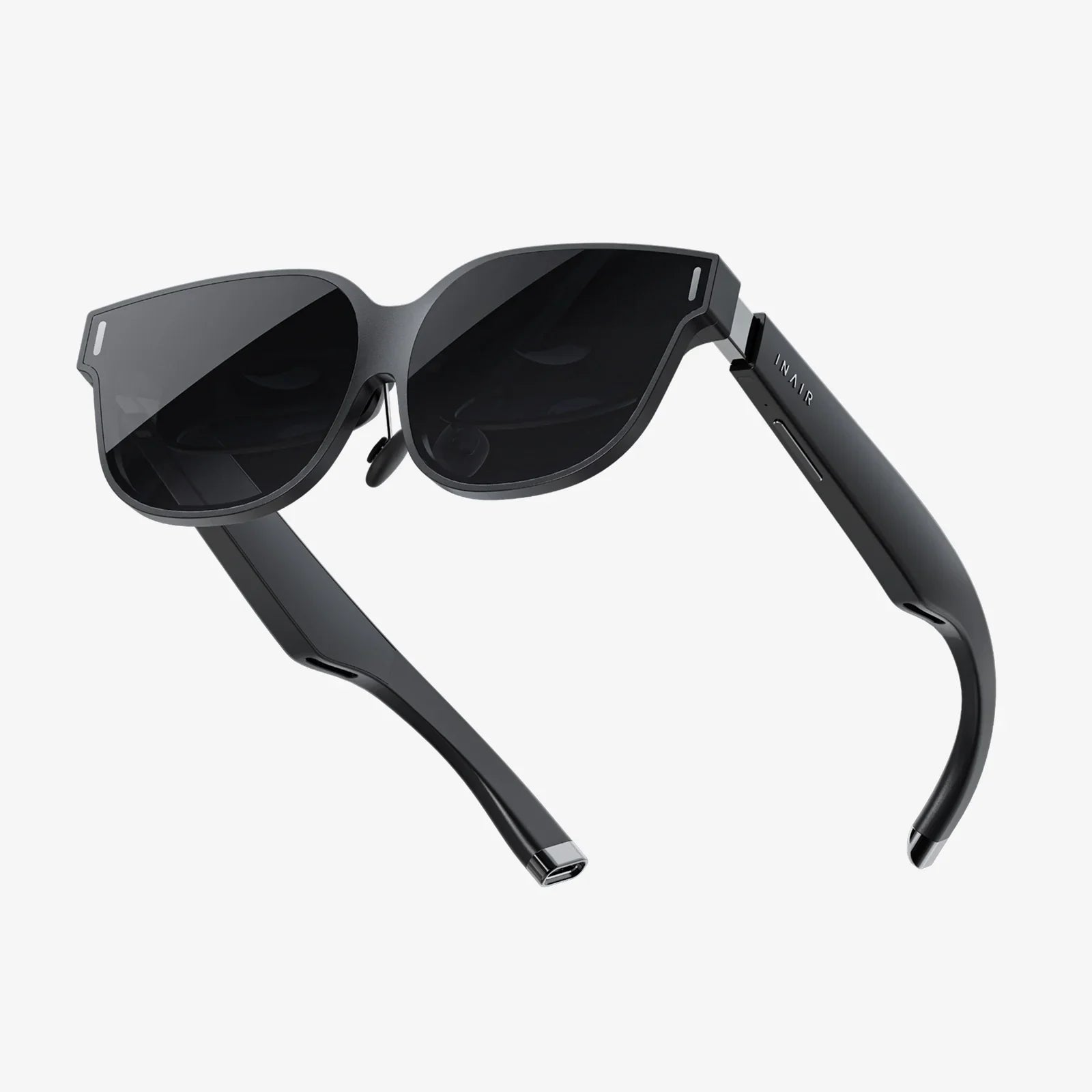
After initial stumbles, smart glasses are finding their purpose. Instead of trying to be full augmented reality replacements for smartphones, the focus has shifted to more pragmatic applications. Glasses for enterprise and industrial workers can overlay schematics, instructions, and data onto their field of view, freeing their hands for work. Consumer-focused models are emphasizing discreet displays for notifications, navigation, and photography. The long-term goal remains a powerful AR interface, but the current iteration is about subtle, contextual information delivery.
Specialized Health Monitors
A burgeoning category exists for continuous, clinical-grade monitoring. Wearable continuous glucose monitors (CGMs) have revolutionized diabetes management by providing real-time blood sugar readings without constant finger pricks. Smart patches can monitor vital signs for hospital patients, enabling early mobilization. These devices represent a critical merger of medical technology and consumer wearables, blurring the line between wellness and healthcare and enabling more proactive and personalized medicine.
The Data Revolution: From Steps to Insights
The raw value of a wearable isn't in the hardware; it's in the data it collects and, more importantly, the insights it generates. Top wearable tech is useless without sophisticated software and algorithms to interpret the constant stream of biometric information.
Artificial intelligence and machine learning are the true brains behind the operation. These algorithms learn our individual baselines—our normal resting heart rate, our typical sleep patterns, our workout intensity—and can then detect meaningful deviations. They can correlate disparate data points; for instance, a rising resting heart rate coupled with decreased sleep duration might suggest you're overtraining or becoming ill.
This analytical power transforms raw data into actionable advice. Instead of just telling you you slept poorly, a device might suggest an earlier bedtime or cutting off caffeine after a certain hour. It can nudge you to move after an hour of inactivity or guide you through a breathing exercise when it detects signs of stress. This shift from passive tracking to active coaching is what turns a gadget into a genuinely life-enhancing tool, creating a powerful feedback loop that encourages positive behavioral change.
Navigating the Challenges: Privacy, Battery, and Interoperability
For all its promise, the world of top wearable tech is not without significant hurdles that must be addressed for widespread, sustainable adoption.
The Privacy Paradigm: Wearables collect the most intimate data possible: information about your body, your location, your daily habits, and your health. This creates a massive responsibility for companies to ensure this data is encrypted, anonymized, and not sold to third parties. Users must be given clear, transparent control over their information. The ethical implications are vast, from potential insurance discrimination based on health data to the constant surveillance of our biological selves.
The Battery Life Conundrum: As sensors become more powerful and numerous, they consume more energy. The constant struggle is to balance capability with battery longevity. While some devices now last weeks on a charge, more advanced ones with always-on displays or continuous monitoring may struggle to last a full day. Breakthroughs in battery technology, such as solid-state batteries or more efficient low-power processors, are critical to the next leap forward.
The Interoperability Imperative: The ecosystem is currently fragmented. Data from a wearable often exists in a silo within its proprietary app. The future of truly powerful health insights lies in the ability for data from your wrist, your scale, your glucose monitor, and your electronic medical record to talk to each other, creating a unified, holistic view of your health. Open standards and secure data-sharing frameworks are essential for this to become a reality.
The Future We're Wearing: What's Next on the Horizon?
The trajectory of wearable technology points towards even greater integration, intelligence, and invisibility. We are moving towards a post-screen era where information is ambiently presented through sound, light, and haptic feedback.
Future developments will likely include more non-invasive biomarkers, such as continuous blood pressure monitoring or even tracking levels of cortisol (the stress hormone) or glucose through sweat. Neural interfaces, while in early stages, aim to create a direct communication link between the brain and computers, potentially helping restore movement to paralyzed individuals or allowing control of devices through thought alone. Furthermore, the concept of the "digital twin"—a virtual, AI-powered model of your body that simulates outcomes based on your data—could become the ultimate personalized health tool.
The ultimate goal is a seamless, symbiotic relationship with technology. Devices will fade into the background, acting as silent guardians and intelligent guides. They will anticipate our needs, manage our health preemptively, and enhance our perception of the world around us without ever requiring us to be glued to a phone. The future of top wearable tech is not about what we put on; it's about what becomes a natural, empowering, and intelligent extension of ourselves.
The next time you glance at your wrist for the time, remember that the same motion could soon deliver a health diagnosis, control your smart home, or guide you through a crowded street in a language you don't speak—the power of the modern world is literally at your fingertips, woven into your clothes, and resting in your ears, waiting to be unlocked.
Share:
How to Make Virtual Meetings More Interactive: A Comprehensive Guide to Boosting Engagement
How to Make Virtual Meetings More Interactive: A Comprehensive Guide to Boosting Engagement