


- by wangfred
Top Wearable Technology and Its Revolutionary Impact on Our Daily Lives
- by wangfred
Imagine a world where your watch warns you of an irregular heartbeat before you feel a symptom, your glasses translate a foreign street sign in real-time, and your clothing monitors your posture to prevent injury. This is not a glimpse into a distant sci-fi future; it is the reality being forged today by the relentless innovation in top wearable technology. These devices are breaking free from the confines of our pockets and weaving intelligence directly into the fabric of our daily existence, promising a revolution in how we understand ourselves and interact with the world around us.
The journey of wearable technology is a fascinating tale of convergence. While the concept has existed for decades in rudimentary forms like hearing aids and calculator watches, the modern era truly began with the rise of the fitness tracker. These simple bands, focused on counting steps and estimating calories, ignited a global fascination with self-quantification. They demonstrated a latent desire for data-driven insight into our own bodies and behaviors. This initial success paved the way for a Cambrian explosion of form and function. The integration of advanced sensors, miniaturized processors, and ubiquitous connectivity transformed these gadgets from passive loggers into proactive, intelligent companions. The market expanded beyond the wrist, giving rise to smart glasses, hearables, smart rings, and even smart fabrics. Today, top wearable technology is less about the gadget itself and more about the seamless, ambient stream of personalized intelligence it delivers.
The term 'wearable' now encompasses a diverse ecosystem of devices, each designed for a specific purpose and body location.
Smartwatches and advanced fitness trackers remain the most recognizable category. They have evolved into comprehensive health hubs, capable of tracking everything from blood oxygen levels (SpO2) and electrocardiograms (ECG) to sleep stages and stress levels through heart rate variability (HRV). They serve as a central command center for smartphone notifications, contactless payments, and navigation, all from the convenience of your wrist.
For those seeking continuous monitoring without a screen, smart rings have emerged as a powerful alternative. Their small form factor allows for sensors to be in constant contact with the vascular system in the finger, potentially yielding more accurate heart rate and sleep data. They represent a shift towards minimalist, always-on health tracking that fades into the background of daily life.
Modern earbuds are a prime example of top wearable technology transcending their original purpose. Beyond delivering high-fidelity audio, they now incorporate active noise cancellation for focus, transparency modes for situational awareness, and integrated assistants for voice commands. Some are beginning to incorporate biometric sensors for health tracking and even features like real-time language translation, making them powerful tools for communication and personal well-being.
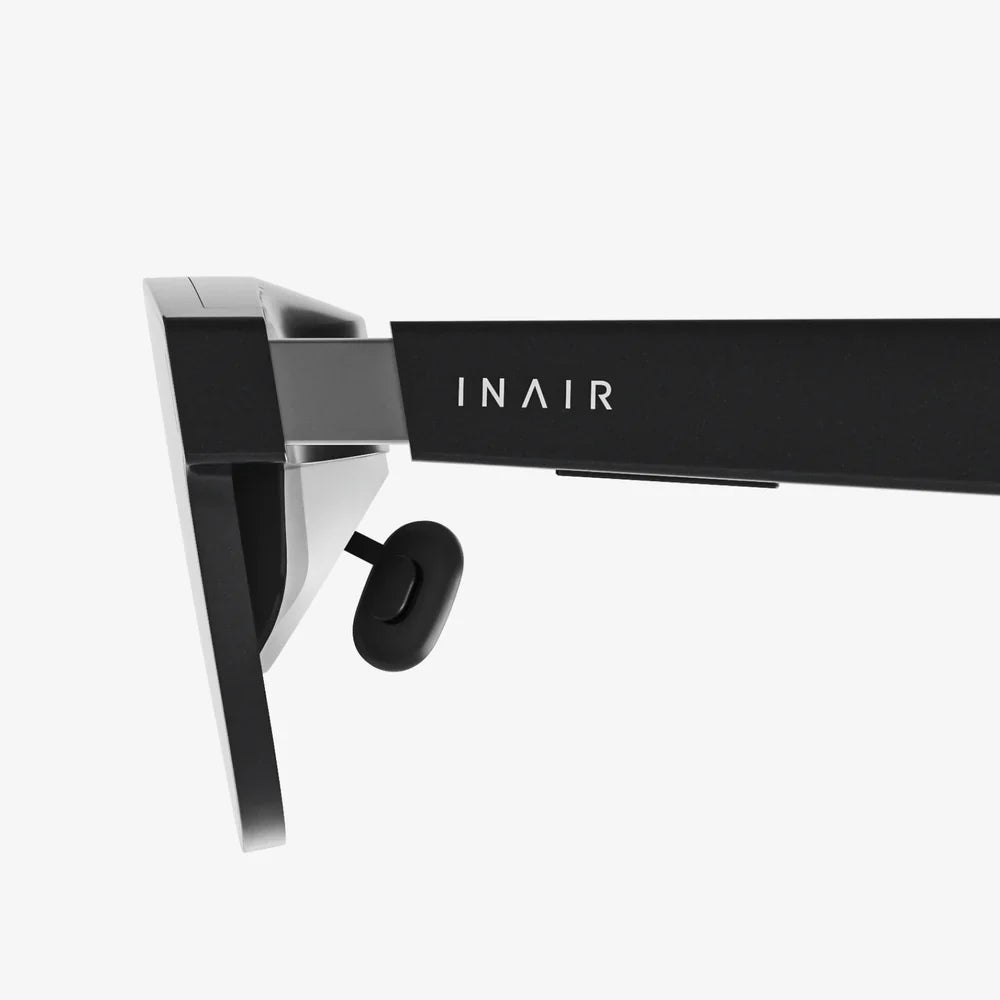
Smart glasses are undergoing a renaissance, moving beyond failed consumer attempts towards specialized enterprise applications in logistics, manufacturing, and field service, where hands-free access to information and remote assistance provides immense value. Meanwhile, the field of electronic textiles (e-textiles) is weaving technology directly into clothing. This includes athletic wear that monitors muscle activity, socks that track running gait, and even shirts that can measure respiratory rate. This represents the ultimate goal of wearables: complete integration, where the technology disappears and only the function remains.
The most profound impact of top wearable technology is undoubtedly in the realm of healthcare. We are moving from a reactive model of medicine—treating illness after it occurs—to a proactive and preventative model powered by continuous data.
Wearables provide a rich, longitudinal dataset that is impossible to capture in a brief annual doctor's visit. By monitoring vital signs 24/7, these devices can establish personalized baselines for an individual. Deviations from this baseline can serve as early warning signs for conditions like atrial fibrillation, sleep apnea, or the onset of illness. This empowers individuals with unprecedented insight into their own health and provides clinicians with objective data to inform diagnoses and treatment plans.
Beyond physical health, wearables are increasingly focusing on mental well-being. By analyzing HRV, sleep quality, and even physical activity levels, devices can provide nudges and insights into stress management. Guided breathing exercises, mindfulness reminders, and an overall awareness of how daily habits affect mental state are becoming standard features, democratizing access to basic mental wellness tools.
For the elderly, top wearable technology offers a powerful tool for maintaining independence and safety. Fall detection with automatic emergency calling, medication reminders, and remote monitoring capabilities allow family members and caregivers to ensure well-being without being intrusive. This technology can provide peace of mind for all involved and support a higher quality of life for longer.
The application of wearables extends far beyond the consumer, driving efficiency and safety in numerous professional sectors.
In manufacturing, oil and gas, and logistics, enterprises are deploying wearables to enhance worker safety. Smart helmets can monitor for exposure to toxic gases, detect worker fatigue, and enable hands-free communication. Exoskeletons, another form of industrial wearable, are being used to reduce strain and prevent injury for workers performing repetitive heavy lifting.
In professional sports, wearables are indispensable. GPS vests track player load, speed, and distance covered during training. Patches and straps provide real-time physiological data, allowing coaches to optimize performance, prevent overtraining, and make data-driven decisions during games. This technology trickles down to amateur athletes, providing access to insights once reserved for elites.
The rise of top wearable technology is not without significant challenges that must be addressed for its sustainable growth.
Wearables collect the most intimate data possible: information about our bodies, our locations, and our daily habits. This creates a treasure trove for hackers and a lucrative asset for the companies that collect it. Robust data encryption, transparent privacy policies that users can actually understand, and clear user control over data sharing are non-negotiable requirements. The industry must prioritize building trust through ethical data handling practices.
While consumer wearables are fantastic for generating wellness insights, they are generally not classified as medical devices. The difference between "informational" and "clinical-grade" data is critical. Misreading or over-relying on data from a consumer device could have serious consequences. The industry is working towards gaining regulatory approvals for more advanced health features, which will require rigorous validation studies to ensure reliability and accuracy.
The constant stream of data can lead to "analysis paralysis" or heightened health anxiety, a phenomenon sometimes called "cyberchondria." Seeing a slight dip in sleep score or a spike in resting heart rate can cause unnecessary stress. The focus for future development must be on providing not just data, but contextually intelligent and actionable insights that promote well-being without obsession.
The trajectory of top wearable technology points towards even deeper integration and more sophisticated capabilities. We are moving towards a future of invisible, ambient computing.
The holy grail is non-invasive, continuous monitoring of biomarkers currently measured by blood tests, such as glucose, lactate, and hydration levels. Breakthroughs in optical sensors and spectroscopic techniques could eventually allow a smartwatch to monitor blood glucose without breaking the skin, revolutionizing diabetes management.
Further on the horizon, wearable BCIs are advancing rapidly. While currently focused on medical applications like helping paralyzed individuals communicate, the technology could eventually allow for new forms of control over devices and even offer insights into cognitive states like focus and fatigue.
The future of top wearable technology lies in devices that understand your context and act proactively without being asked. Your glasses could automatically dim based on the setting sun, your earbuds could cancel noise when it detects you are trying to concentrate, and your entire suite of wearables could work in concert to provide a holistic view of your health, seamlessly and silently in the background.
The true power of top wearable technology is not in the silicon and sensors it's built with, but in the human potential it unlocks. It’s the early warning that saves a life, the data point that wins a championship, the moment of mindfulness that changes a day, and the invisible assistance that makes the impossible feel effortless. This is just the beginning of a journey where our technology doesn’t just work for us—it understands us, and in doing so, helps us become the best versions of ourselves.
Share:
AR Web Services: The Invisible Engine Powering the Next Digital Revolution
AR Contact Lenses 2025: The Year Your Vision Becomes the Interface