


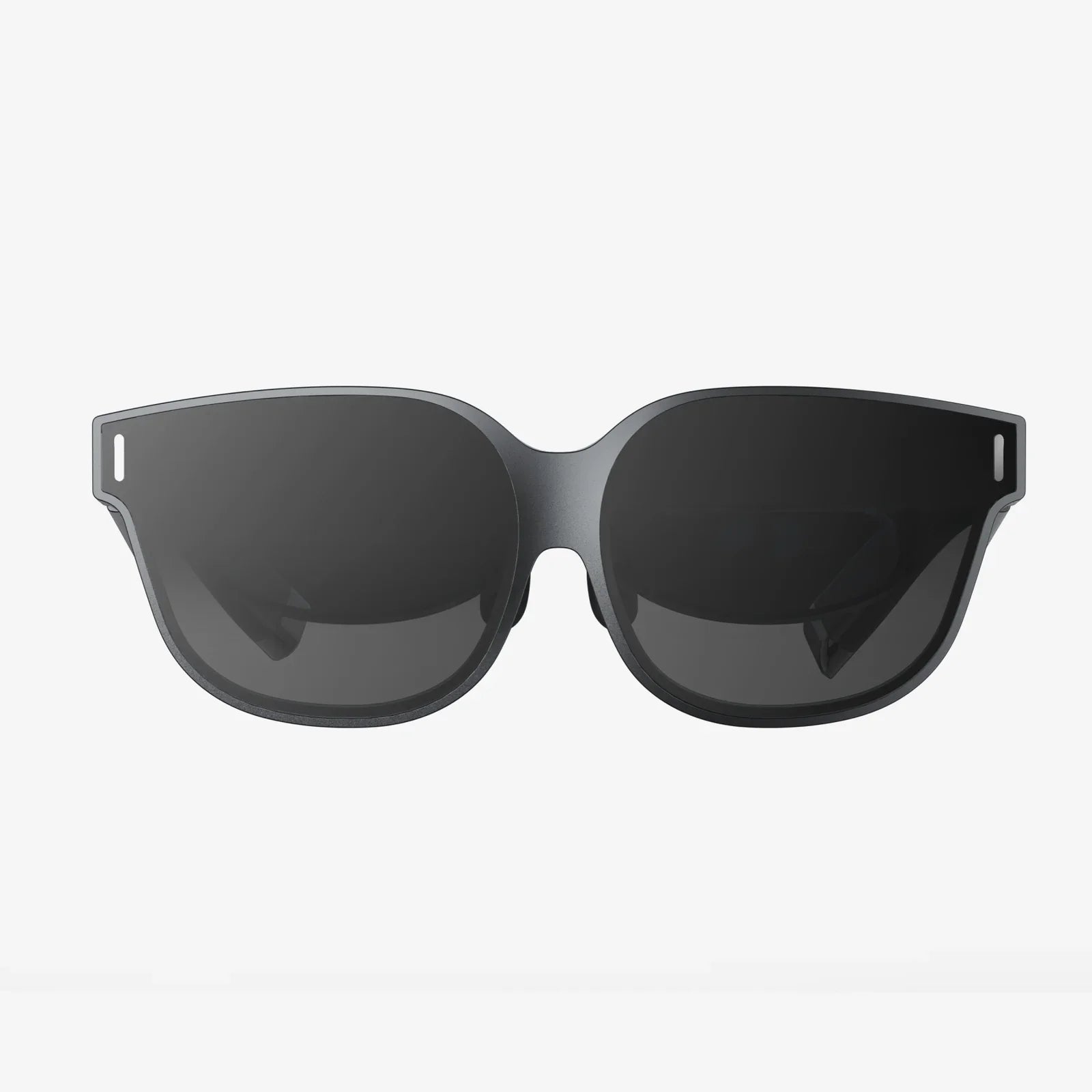
Imagine a world where your watch doesn't just tell time but tells you about your health; where your ring doesn't just adorn your finger but manages your digital life; where your glasses don't just correct your vision but overlay a digital universe onto the physical one. This is not a distant science fiction fantasy—it is the imminent reality promised by the top wearables of 2025. We are standing on the precipice of a technological revolution that will seamlessly weave computation into the very fabric of our daily existence, making our devices less like tools we carry and more like intelligent extensions of our own bodies and minds. The next generation of wearables is poised to move beyond novelty and become indispensable, proactive partners in our health, productivity, and connection to the world around us.
The Convergence of Form and Invisible Function
The most immediate and noticeable shift in the 2025 wearable landscape is the dramatic erosion of the boundary between technology and fashion. The clunky, tech-first designs of the past are giving way to a new era of elegant, minimalist, and often indistinguishable-from-traditional accessories. The driving philosophy is no longer about showcasing the technology but about hiding it completely. We are seeing a surge in devices crafted from premium, familiar materials like titanium, ceramic, sapphire crystal, and even advanced biocompatible polymers that feel natural against the skin.
This focus on aesthetics is not merely superficial. It is a critical enabler for mass adoption. A health monitor that looks like a classic piece of jewelry is more likely to be worn consistently than a obvious medical device. Smart glasses that are virtually indistinguishable from high-end optical frames remove the social stigma that has plagued previous attempts at augmented reality eyewear. This design revolution is powered by massive miniaturization of internal components. System-on-Chip (SoC) designs are becoming exponentially more powerful while drawing less power, and sensors are shrinking to the point of being microscopic, allowing them to be embedded into thinner cases, lighter bands, and more discrete form factors.
The Rise of the Smart Ring and Discreet Monitors
While wrist-worn devices will continue to dominate in terms of screen real estate, the true dark horse of 2025 is the smart ring. This form factor capitalizes perfectly on the trend toward discreet, always-on wearables. The finger is an ideal location for sensing key physiological data, such as peripheral body temperature, heart rate, and blood oxygen saturation, often with remarkable accuracy due to the proximity of major blood vessels.
In 2025, these rings will evolve from simple data loggers to sophisticated health and authentication hubs. Expect to see models with advanced sleep staging algorithms that rival clinical equipment, non-invasive and continuous blood glucose monitoring for diabetic populations, and even nascent attempts at blood pressure tracking. Furthermore, the smart ring is poised to become a universal authenticator—a tiny device that unlocks your laptop, starts your car, and approves secure payments with a simple gesture, all while looking like a sleek band of tungsten or gold.
Health Monitoring: From Reactive to Predictive and Preventative
The core promise of wearables has always been better health insights, and 2025 is the year this promise is fulfilled in a profound way. The focus is shifting decisively from simply reporting what happened (reactive) to forecasting what might happen (predictive) and suggesting interventions to prevent it (preventative). This is powered by three key advancements:
- Multi-Sensor Data Fusion: Instead of relying on a single heart rate sensor, top wearables will employ a suite of sensors—optical PPG, ECG, bioimpedance, skin temperature, MEMS accelerometers—and fuse their data streams. This creates a far more robust and accurate picture of the user's physiological state, allowing the device to distinguish between physical exertion, emotional stress, and the onset of illness.
- On-Device AI: Previously, raw sensor data was sent to the cloud for complex analysis. Now, specialized neural processing units (NPUs) inside the wearables themselves can process this data in real-time. This means instant alerts for atrial fibrillation, falls, or abnormally low blood oxygen levels without requiring a constant internet connection, vastly improving response times in emergencies and protecting user privacy.
- Longitudinal Biomarkers: The real magic happens over months and years of continuous wear. By establishing a deep baseline of what "normal" looks like for each individual user, these devices can detect subtle deviations that signal a problem long before symptoms appear. This could mean identifying patterns suggestive of inflammation, predicting the risk of metabolic syndrome, or noting changes in nervous system balance that precede chronic conditions.
The Augmented Reality Frontier: Glasses That See What You See
After years of prototypes and false starts, augmented reality (AR) glasses are finally maturing into a viable wearable category for 2025. The key breakthrough is in waveguide technology and micro-LED displays that project vivid, high-resolution images onto the lenses without blocking the user's view of the real world. These are not the bulky, fully immersive headsets of the metaverse but rather lightweight glasses designed for all-day wear.
The applications are boundless. For navigation, directions can be painted onto the street in front of you. For productivity, a virtual desktop can extend from your laptop screen. For language translation, subtitles can appear in real-time over a conversation with someone speaking a foreign language. For mechanics or surgeons, intricate diagrams and instructions can be overlaid onto the machinery or patient they are working on. The 2025 generation of AR glasses will be less about flashy games and more about contextual, practical information delivered at the exact moment and place it is needed, creating a truly seamless blend of digital and physical intelligence.
Seamless Ecosystem Integration and the Invisible Interface
A wearable is no longer an island. Its true power is unlocked when it functions as the central node in a larger ecosystem of devices and services. In 2025, interoperability will be a key differentiator. Your smart ring will talk to your car to ensure you are alert enough to drive. Your fitness tracker will automatically adjust your home's thermostat based on your core temperature post-workout. Your AR glasses will project a notification from your phone without you needing to take it out of your pocket.
The user interface is also becoming increasingly invisible. The goal is to minimize screen taps and swipes in favor of more intuitive interactions. This includes advanced gesture control (e.g., answering a call by pinching your thumb and index finger together), voice assistants that understand context and nuance, and even emerging technologies like subvocal recognition, which detects the electrical signals sent to your vocal cords when you talk to yourself silently. The device will anticipate your needs, creating a sense of effortless control.
Battery and Energy Harvesting: The Quest for Permanence
The Achilles' heel of wearables has always been battery life. Charging a device every night is a surefire way to break the chain of continuous monitoring. The industry is attacking this problem on multiple fronts. Low-power displays, more efficient processors, and optimized radios are stretching battery life from days into weeks for some devices.
More excitingly, 2025 will see the commercialization of advanced energy harvesting techniques. Kinetic energy harvesting, which uses body movement to generate small amounts of power, is being refined. Solar charging is being integrated into watch faces and even clothing. Most promising is the development of bioenergy harvesters that can generate tiny electrical currents from the body's own heat or from the glucose in interstitial fluid. While not yet capable of fully powering a device, these technologies can significantly extend battery life, moving us toward the ultimate goal of wearables that never need to be consciously charged.
Privacy, Security, and the Ethical Dimension
As these devices become more integrated into our lives and collect ever more intimate data, the questions of privacy and security become paramount. The biometric data collected by a wearable—your heart rhythm, sleep patterns, location, and even blood chemistry—is incredibly sensitive. In 2025, consumers will rightly demand transparency and control.
The leading wearables will adopt a "privacy-by-design" approach. This means data is encrypted end-to-end, with most processing done on the device itself rather than in the cloud. Users will have granular control over what data is collected, how it is used, and who it is shared with, including healthcare providers and insurance companies. The industry will also have to navigate complex ethical questions: Who owns this data? How can we prevent discrimination based on predictive health insights? The success of these technologies will depend not just on their capabilities, but on the trust they earn from the public.
The wearable of 2025 is not a single device; it is a constellation of intelligent sensors woven into the backdrop of our lives, working in concert to make us healthier, more productive, and more connected. It’s a future where technology fades into the background, and what remains is a heightened, augmented, and more informed human experience. The revolution won’t be worn on a sleeve; it will be so intimately a part of us that we’ll wonder how we ever lived without it.
Share:
Move Wearable: The Evolution of Technology That Moves With You
Move Wearable: The Evolution of Technology That Moves With You