


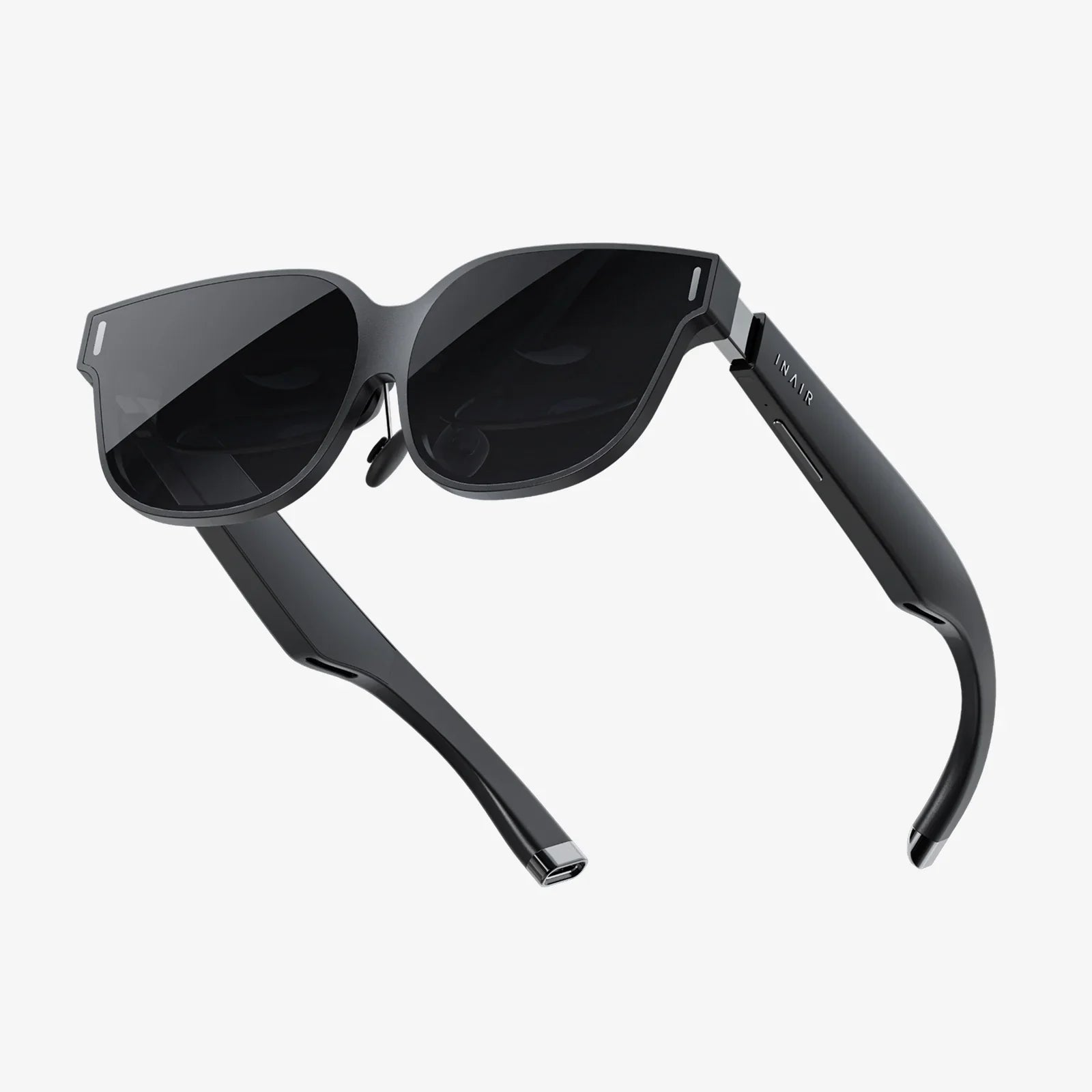
Imagine a world where your environment anticipates your needs, your digital assistant understands context and nuance, and the line between the physical and virtual realms isn't just blurred—it's beautifully intertwined. This isn't a distant sci-fi fantasy; it's the reality being built today by the most innovative and trending digital products hitting the market. These aren't mere gadgets; they are the foundational tools and experiences actively sculpting the future of human interaction, productivity, and entertainment. The relentless pace of innovation promises a tomorrow that is more intuitive, connected, and immersive than ever before, and it all starts with understanding the currents of today's digital trends.
The New Reality: Spatial Computing and Immersive Environments
The dream of stepping into a digital world is rapidly evolving into a sophisticated dance between our physical space and digital overlays. This movement, known as spatial computing, represents one of the most significant leaps in how we interact with technology. It's not just about putting on a headset; it's about anchoring digital objects, information, and experiences into your real-world environment in a way that feels persistent and tangible.
These advanced systems use a complex array of sensors, cameras, and LiDAR scanners to map and understand the geometry of a room. This allows for incredibly precise placement of digital content. You could have a virtual monitor sit perfectly on your desk, a stunning piece of digital art fixed to your wall, or an interactive model of the solar system hovering above your coffee table. The applications extend far beyond entertainment. Architects can walk clients through full-scale, unbuilt designs. Mechanics can see schematics overlaid directly onto the engine they are repairing. Surgeons can visualize complex anatomical data during procedures. This technology is dissolving the interface, moving us from interacting with a screen to interacting within a digitally-augmented space.
The Intelligence Infusion: AI-Powered Everything
If one trend underpins nearly all others, it is the pervasive integration of artificial intelligence. We have moved far beyond simple voice commands. Today's trending digital products are infused with sophisticated machine learning models that enable them to learn, adapt, and anticipate. This intelligence is becoming the invisible, yet indispensable, engine powering our devices.
Consider the modern personal assistant. It's no longer a simple reactive tool; it's a proactive companion. By analyzing your calendar, communication patterns, and preferences, it can draft thoughtful email responses, suggest optimal meeting times, and proactively warn you about traffic delays before you even think to ask. This predictive capability is revolutionizing personal organization. In the creative realm, AI is a powerful collaborator. Advanced software can now generate stunning images from text descriptions, compose original music, and even write and debug complex code. These tools are not meant to replace human creativity but to augment it, freeing creators from technical constraints to focus on vision and ideation. Furthermore, AI is the brains behind the most advanced noise-cancellation systems in personal audio, intelligently isolating a speaker's voice in a crowded room or optimizing sound profiles based on your hearing and environment.
The Unseen Revolution: Smart Home Ecosystems and Invisible Tech
While flashy headsets grab headlines, a quieter, more profound revolution is happening within our homes. The trend is shifting from standalone smart devices to fully integrated, interoperable ecosystems. The goal is no longer just remote control but creating a home environment that is responsive, efficient, and seemingly intuitive—a form of ambient intelligence.
This involves a network of sensors and devices working in concert. Motion sensors can detect your movement through the house, triggering lighting and climate control to adjust room-by-room, saving energy while maximizing comfort. Smart refrigerators with internal cameras can track inventory and suggest recipes based on available ingredients, automatically adding missing items to a digital shopping list. Advanced washing machines can auto-detect fabric types and soil levels to run the perfect cycle. The true trend is the move towards standardization and interoperability, allowing products from different manufacturers to communicate seamlessly. This creates a holistic experience where the technology itself fades into the background, and the focus returns to the comfort and functionality of the living space, making the home itself the ultimate trending digital product.
Sonic Sanctity: The Pursuit of Personalized and Immersive Audio
In a world saturated with noise and distraction, the pursuit of perfect, personalized sound has become a major focus. Trending audio products are about more than just listening to music; they are about creating personal auditory sanctuaries and deeply immersive experiences. The technology has advanced to offer unprecedented levels of control and quality.
High-resolution wireless audio codecs have finally severed the cable without sacrificing fidelity, delivering studio-quality sound over robust connections. Active Noise Cancellation (ANC) has become incredibly sophisticated, using multiple microphones and advanced algorithms to create pockets of silence in even the most chaotic environments, from roaring airplane cabins to busy open-plan offices. Conversely, transparency modes allow essential ambient sounds to pass through, keeping users aware of their surroundings. The most cutting-edge development is spatial audio with head tracking. This technology uses gyroscopes and accelerometers to map soundscapes in a three-dimensional space around the listener. When combined with high-quality content, it creates a breathtakingly immersive experience where sounds can come from precise, fixed points in space, making a movie feel like a live performance or a podcast feel like a conversation in the same room.
Health at Hand: Wearables Evolving into Wellness Guardians
The wearable technology category has matured from basic fitness trackers into comprehensive health and wellness platforms. The latest generation of these devices acts as a 24/7 health guardian on your wrist, moving from counting steps to providing potentially life-saving insights and a deeper understanding of personal well-being.
Modern sensors can now measure blood oxygen saturation (SpO2), track skin temperature trends, and perform electrocardiograms (ECG) to detect signs of atrial fibrillation. This continuous monitoring creates a rich, longitudinal dataset of an individual's health, allowing the device to identify deviations from their personal norm. Advanced sleep tracking algorithms don't just record duration; they analyze sleep stages, providing actionable feedback to improve sleep quality. The trend is a clear shift towards proactive and preventative health management. These devices empower individuals with data about their own bodies, encouraging healthier habits and providing early warnings that may prompt a conversation with a healthcare professional. They are becoming a crucial link in the chain of personalized healthcare, democratizing access to health monitoring that was once confined to clinical settings.
Creative Power Unleashed: Democratizing High-End Content Creation
Powerful tools for video editing, 3D design, and music production were once locked away in high-cost professional suites requiring expensive hardware. Today, a wave of accessible yet incredibly powerful software and hardware is democratizing high-end content creation, putting studio-grade capabilities into the hands of everyone from hobbyists to independent professionals.
Smartphones now boast cinematic-grade video capabilities, with computational photography enhancing footage to rival that of older, bulkier equipment. Affordable drones offer stabilized 4K video capture, opening up aerial cinematography to the masses. In the software realm, intuitive apps and cloud-based platforms allow for complex editing, animation, and design work on everyday devices, from tablets to lightweight laptops. This trend is fueling the creator economy, enabling a new generation of artists, filmmakers, and designers to produce professional-quality work without a massive initial investment. It represents a fundamental shift in how digital products are empowering individual creativity and changing the landscape of media and art.
The Green Imperative: Sustainability in the Digital Age
As technology becomes more embedded in our lives, a crucial and growing trend is the focus on sustainability. Consumers are increasingly demanding that their digital products be designed and manufactured with environmental responsibility in mind. This is driving innovation not just in the products' function, but in their entire lifecycle.
Manufacturers are responding by using more recycled materials in construction, from aluminum alloys to plastics derived from ocean waste. There is a stronger emphasis on repairability and longevity, with companies offering longer software support cycles, easier-to-replace components, and detailed repair guides. Energy efficiency is a paramount concern, with new chipsets and components designed to deliver maximum performance per watt, reducing the carbon footprint of daily use. The industry is also innovating in packaging, drastically reducing or eliminating plastics in favor of recycled and recyclable paper-based materials. This trend reflects a broader understanding that the most desirable and truly forward-thinking digital products are those that enhance our lives without compromising the health of our planet.
The landscape of trending digital products is a vibrant tapestry woven from threads of artificial intelligence, seamless connectivity, and human-centric design. These innovations are no longer about owning the shiniest new gadget; they are about integrating tools that genuinely enhance daily existence, foster creativity, safeguard well-being, and connect us to our environment in more meaningful ways. The most exciting aspect is that this is merely the foundation. As these technologies continue to converge and evolve, they promise to unlock possibilities we are only beginning to imagine, forever reshaping the interface between humanity and the digital universe it continues to create.
Share:
What Is Human Computer Interaction Design - The Bridge Between Humans and Technology
AR Words: The Augmented Reality Revolution Reshaping Language, Learning, and Human Connection