


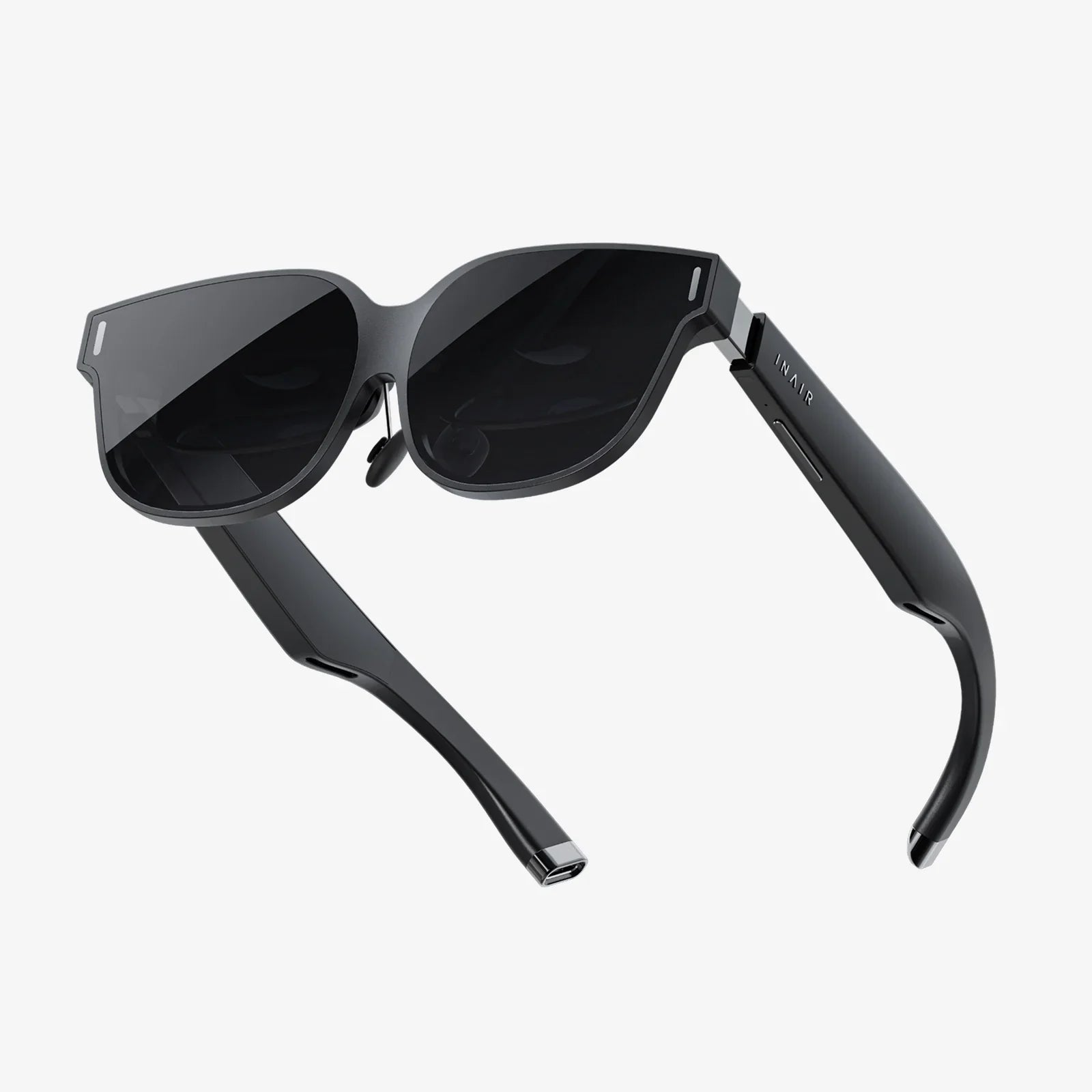
Imagine settling into your favorite chair, the world around you fading into the background as a crystal-clear, massive cinematic screen materializes before your eyes. No bulky hardware, no distracting glare, just you and your content in a private theater of one. This is no longer the stuff of science fiction; it's the reality offered by the latest evolution in personal entertainment technology: two screen TV glasses. This innovative wearable is rapidly redefining what it means to be immersed in media, offering a portal to another world that fits neatly in a carrying case. For commuters, travelers, gamers, and anyone craving a truly personal viewing experience, these devices represent a seismic shift from shared screens to individualized visual sanctuaries. The journey from the first cumbersome head-mounted displays to today's sleek, sophisticated glasses has been long, but the destination offers an unparalleled blend of privacy, immersion, and portability that demands a closer look.
The Technology Behind the Illusion
At first glance, the concept of two screen TV glasses can seem perplexing. How can a pair of spectacles project a large, high-definition image? The magic lies in a sophisticated combination of optics, software, and miniaturized display technology. Unlike virtual reality headsets that create a fully digital environment, these glasses are designed for viewing two-dimensional content, focusing on replicating the experience of a large television or monitor.
The core components include two micro-displays, typically using advanced technologies like OLED or micro-OLED. These tiny screens are positioned in front of each lens. However, you don't focus on these screens directly, as they would appear incredibly small and close to your face. Instead, the key innovation is the optical system. Between your eyes and the micro-displays are precisely engineered lenses or waveguide combiners. These optics refract and channel the light from the tiny screens, creating a virtual image that appears to be floating several meters away at a size that can mimic a 100-inch-plus screen or larger. This process, known as creating a "virtual retinal display," effectively tricks your brain into perceiving a vast cinema-scale image while your eyes remain relaxed, as if gazing into the distance.
A Universe of Applications: More Than Just Movies
While the initial appeal is often for watching films and television series, the utility of dual-screen viewing glasses extends far beyond passive consumption. Their ability to create a massive, private, and focused display opens up a world of possibilities across various aspects of modern life.
- The Ultimate Travel Companion: For frequent flyers or long-distance commuters, these glasses are a game-changer. They transform a cramped airplane seat or a noisy train car into a first-class entertainment suite. With noise-canceling headphones paired with the glasses, external distractions vanish, allowing for complete immersion in a movie, book, or game without disturbing fellow passengers.
- A Gamer's Sanctuary: Gamers are discovering the intense immersion these devices provide. By connecting to a console, PC, or even a mobile device, the glasses can display a vast, encompassing game world. This is particularly beneficial for those who share a living space and want to game late into the night without occupying the main television or disturbing others with screen glow.
- A Productivity Powerhouse: The potential for remote work and productivity is immense. Imagine having multiple virtual desktops floating in your field of vision while working from a laptop in a coffee shop or a hotel room. You could have a document open on one virtual screen and a video conference on another, all while maintaining a low profile and not broadcasting your work to everyone around you.
- Accessibility and Comfort: For individuals with physical limitations that make holding a tablet or book difficult, or for those recovering from surgery who must remain in a reclined position, these glasses offer a comfortable and accessible way to enjoy media without strain.
Weighing the Experience: Advantages and Considerations
Adopting any new technology requires understanding its full profile. Two screen TV glasses offer a unique set of benefits that set them apart from traditional displays, but they also come with specific considerations for the potential user.
The Compelling Advantages
The primary advantage is, without a doubt, immersive privacy. You are the sole viewer of your content, which is a significant benefit in shared living situations, public spaces, or for those who simply prefer to enjoy their media without external commentary or distractions. This privacy also means you can watch whatever you want, wherever you are, without concern for who might be looking over your shoulder.
Secondly, the portability is unmatched. Carrying a 100-inch screen in your backpack was once a fantasy. Now, it's a reality. The form factor of most modern glasses is sleek and relatively lightweight, making them easy to transport and use on the go, freeing you from the constraints of a fixed television or monitor.
Finally, there is the customizable viewing experience. Many models allow you to adjust the virtual screen's perceived size and distance to match your personal preference. Furthermore, because the display is projected directly to your eyes, issues like screen glare from ambient light are completely eliminated.
Important Considerations
The technology is not without its current limitations. One common consideration is social isolation. Unlike a traditional television that can be a focal point for group viewing and shared experiences, the glasses are inherently a solitary device. While some models offer screen mirroring capabilities so others can see what you're watching on an external display, the primary experience is for one person.
Another factor is visual comfort and compatibility. Some users may need time to adapt to the technology, and those with certain eye conditions may not find them comfortable. Fortunately, many manufacturers now include diopter adjustment wheels, allowing users with mild near- or farsightedness to use the glasses without their prescription eyewear. For others, custom inserts can be made.
As with any wearable technology, battery life is a crucial practical aspect. Streaming high-definition video is power-intensive, and users must be mindful of the device's endurance, especially during long trips. Most modern units offer several hours of continuous playback, but this is a key specification to check before purchase.
Gazing into the Future: The Evolution of Personal Viewing
The current generation of two screen TV glasses is impressive, but it merely represents the first step on a longer technological journey. The future promises even more seamless integration of digital content into our perceptual reality. We can anticipate trends like significant reductions in size and weight, moving from glasses to a form factor more akin to standard sunglasses. Improvements in display resolution will push beyond 4K into 8K and higher, making the virtual image indistinguishable from a physical one.
Furthermore, the line between these media-viewing glasses and full augmented reality (AR) glasses will continue to blur. Future iterations will likely incorporate basic AR functionalities, allowing contextual information or notifications to appear subtly at the periphery of your vision while you watch a movie, creating a layered and interactive experience. The ultimate goal is a single, lightweight device that can switch effortlessly between being a private cinema, a productivity workstation, and a window to an augmented world.
The market for personal viewing is expanding rapidly, driven by a globalized, mobile workforce and a growing appetite for on-demand, personalized entertainment. As the technology becomes more affordable and refined, it will transition from a niche gadget for enthusiasts to a mainstream consumer product, as ubiquitous as wireless headphones are today.
The era of being tethered to a large, fixed screen in your living room is gradually giving way to a more fluid and personal relationship with media. Two screen TV glasses are at the forefront of this revolution, offering a compelling vision of the future—one where your entertainment and work environments are no longer defined by physical hardware but are limited only by your imagination. They provide a silent, stunning, and profoundly personal window to other worlds, inviting you to dive in and experience entertainment on your own terms, completely unplugged from the distractions of the shared space around you.
Share:
Can a VR Headset Damage Your Eyes? An In-Depth Look at the Science
Simple VR Headset: The Uncomplicated Gateway to Virtual Worlds