


Imagine a world where surgeons practice complex procedures on hyper-realistic digital twins, where factory floors are designed and tested in a virtual space before a single brick is laid, and where students can walk through ancient Rome as if they were there. This is not a distant science fiction fantasy; it is the rapidly unfolding reality of the United Kingdom's Extended Reality (XR) market, a dynamic and disruptive force set to redefine how we work, learn, and connect. The convergence of cutting-edge technology, ambitious government strategy, and a world-class creative and tech sector is propelling the UK to the forefront of this global digital revolution, creating an ecosystem ripe with opportunity and poised for monumental growth.
The Pillars of Growth: What's Fueling the UK XR Boom?
The UK Extended Reality market is not emerging in a vacuum. Its rapid acceleration is underpinned by a powerful confluence of factors that create a fertile ground for innovation and commercial adoption.
A Robust Technological and Creative Foundation
The UK has long been a global hub for both technology and the creative industries. From the world-renowned visual effects (VFX) and gaming studios in London and the Southeast to the leading artificial intelligence (AI) research emanating from its Russell Group universities, the country possesses a unique blend of technical prowess and creative storytelling talent. This synergy is critical for XR, which sits at the exact intersection of these disciplines. The expertise in creating immersive digital content for film and games is directly transferable to building compelling virtual and augmented experiences. Furthermore, the UK's strong position in 5G network rollout provides the essential high-bandwidth, low-latency connectivity required for seamless cloud-based XR and multi-user experiences, removing a significant technical barrier to widespread use.
Strategic Government and Institutional Support
Recognizing the immense economic potential of immersive technologies, the UK government and associated bodies have moved to actively support the sector. Initiatives have included significant funding for research and development through grants and competitions aimed at solving industry-specific challenges with XR solutions. The establishment of dedicated XR research centers and testbeds, often in partnership with leading universities, provides startups and established companies alike with the tools and environment to experiment and refine their technologies. This public-sector commitment de-risks innovation and sends a clear signal to private investors that the UK is serious about becoming a world leader in this space, fostering a climate of confidence and encouraging capital flow into the market.
Thriving Investment and Startup Ecosystem
London consistently ranks as one of the top global cities for venture capital investment, and a considerable portion of this funding is increasingly directed towards deep tech and immersive technology startups. A vibrant network of accelerators, incubators, and specialist investors has emerged, focused solely on nurturing the next generation of XR companies. This ecosystem provides not just capital but also crucial mentorship, networking opportunities, and access to pilot projects with major corporate partners. From creating enterprise-grade AR training platforms to developing social VR experiences, UK-based startups are demonstrating remarkable innovation, attracting attention and investment from across Europe, North America, and Asia.
Enterprise Adoption: Where the Real Transformation is Happening
While consumer applications like gaming and social VR capture the public's imagination, the most significant and immediate impact of the UK Extended Reality market is occurring within the enterprise sector. Businesses across a multitude of industries are leveraging XR to drive efficiency, enhance safety, reduce costs, and unlock new possibilities.
Revolutionizing Training and Skills Development
One of the most powerful use cases for XR is in training. Industries such as manufacturing, energy, and healthcare are using VR to simulate dangerous, complex, or expensive scenarios in a completely safe and controlled environment. Trainee surgeons can perform virtual operations, engineering students can dismantle and reassemble intricate machinery, and offshore wind technicians can practice emergency procedures without ever setting foot on a rig. This not only improves learning outcomes and knowledge retention but also drastically reduces training costs and risks. AR, on the other hand, is being used for on-the-job guidance, overlaying digital instructions and schematics onto physical equipment to assist field service technicians, thereby reducing errors and improving first-time fix rates.
Enhancing Design, Prototyping, and Remote Collaboration
The architecture, engineering, and construction (AEC) sector has been an early and enthusiastic adopter of XR. Instead of relying on 2D blueprints or computer screens, architects and clients can now don a VR headset and step inside a full-scale, immersive model of a building before it is constructed. This allows for unparalleled design review, enabling stakeholders to identify issues, experiment with materials, and make informed decisions early in the process, saving millions in potential rework. Furthermore, AR enables workers on a construction site to see digital models overlaid onto the physical space, ensuring accuracy during assembly. These technologies also break down geographical barriers, allowing teams spread across the UK or globally to collaborate in a shared virtual space as if they were in the same room, reviewing 3D models together in real-time.
Powering Retail and Customer Engagement
The retail sector is harnessing AR to bridge the gap between online and physical shopping. Applications allow customers to visualize products in their own home before purchasing—from seeing how a new sofa fits in their living room to "trying on" watches or makeup through their smartphone camera. This enhances consumer confidence, reduces return rates, and creates a novel and engaging shopping experience. Museums, galleries, and tourist attractions across the UK are also adopting AR to bring exhibits and historical sites to life, offering visitors additional layers of information, interactive reconstructions, and immersive storytelling that deepen engagement and education.
Navigating the Challenges: Hurdles on the Path to Mainstream Adoption
Despite the tremendous momentum, the UK Extended Reality market must overcome several significant challenges to achieve its full potential and move beyond early adopters into the mainstream.
The Hardware Conundrum: Cost, Comfort, and Accessibility
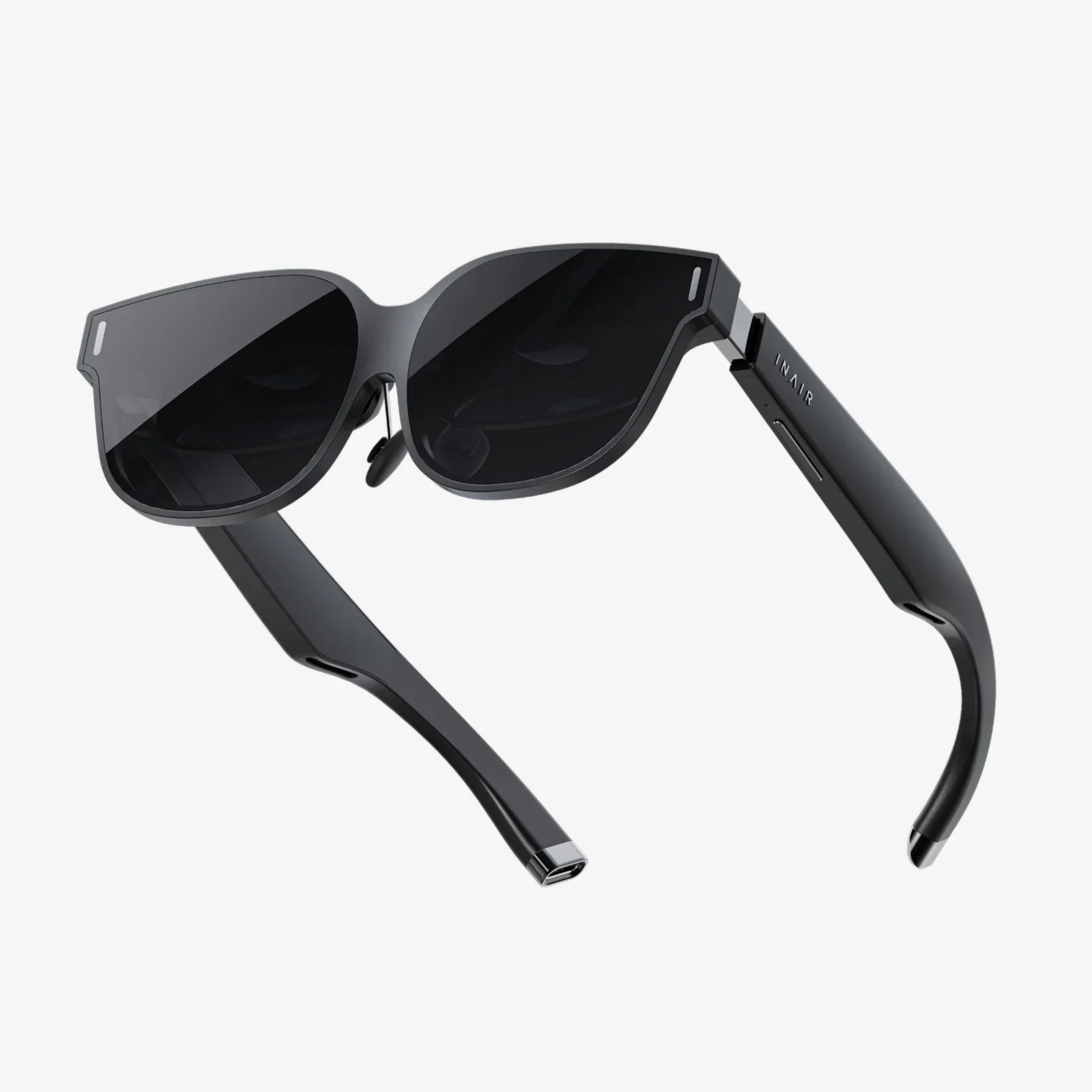
The success of any technology platform is often tied to the accessibility and quality of its hardware. While standalone VR headsets have become more affordable and powerful, high-end devices capable of delivering enterprise-grade experiences still represent a considerable investment for both businesses and consumers. Issues of user comfort—such as headset weight, motion sickness (cybersickness), and limited battery life—remain barriers to prolonged use. For AR, the dream of sleek, socially acceptable smart glasses that rival traditional eyewear is still largely that—a dream. Current models are often clunky, have limited fields of view, or are cost-prohibitive. Widespread adoption is contingent on hardware manufacturers making significant strides in miniaturization, comfort, display technology, and cost reduction.
The Content Imperative: Building the Metaverse
Hardware is nothing without compelling software and content. Creating high-fidelity, interactive, and valuable XR experiences is still a complex, time-consuming, and expensive process. There is a growing but still significant skills gap in the market, with a high demand for developers, 3D artists, and experience designers who specialize in immersive technologies. Furthermore, for the vision of an open "metaverse" or interconnected web of virtual experiences to become a reality, robust standards and interoperability between different platforms and devices are essential. The market currently risks fragmentation, with walled gardens limiting user choice and developer reach. Overcoming these content and platform challenges is crucial for building a sustainable and vibrant ecosystem.
Ethical and Social Considerations
As with any powerful new technology, XR introduces a host of ethical questions that the UK market must address proactively. These include serious concerns around data privacy and security, as these devices can collect unprecedented amounts of sensitive biometric and behavioral data. The potential for addictive behaviors and the psychological effects of prolonged immersion in virtual worlds are not yet fully understood. There are also risks of deepening the digital divide if access to these transformative technologies is limited to only the wealthy or digitally literate. Establishing clear ethical guidelines, robust regulatory frameworks, and promoting digital inclusivity will be essential for building public trust and ensuring the responsible development of the UK Extended Reality market.
The Future is Immersive: What Lies Ahead for the UK?
The trajectory of the UK Extended Reality market points towards a future where immersive technologies are increasingly woven into the fabric of society. We can expect to see the lines between physical and digital spaces blur even further. The convergence of XR with other transformative technologies like AI and the Internet of Things (IoT) will unlock new levels of intelligence and context-awareness in applications. AI will power more natural and intuitive interactions within virtual environments through advanced avatars and gesture recognition, while IoT sensors will feed real-world data into AR overlays, creating a dynamic digital layer over our physical reality. As hardware evolves towards more lightweight, powerful, and socially accepted form factors like AR contact lenses or neural interfaces, we will move from "using" XR to "inhabiting" it seamlessly throughout our daily lives.
The UK is uniquely positioned not just to participate in this future, but to actively shape it. The combination of its strategic intent, world-class talent, and thriving commercial ecosystem creates a perfect storm of innovation. The businesses, educators, and creators who begin exploring and integrating these technologies today will be the leaders of tomorrow's immersive economy. They will be the ones defining new forms of storytelling, constructing new paradigms for work and collaboration, and solving some of society's most pressing challenges through the power of immersion. The journey into this expanded reality is already underway, and it promises to be one of the most defining technological adventures of our time.
Share:
VR Headset for iPhone 6: Unlocking a Universe of Immersive Entertainment on a Classic Device
VR Headset Field of View Comparison: The Ultimate Guide to Immersive Vision