


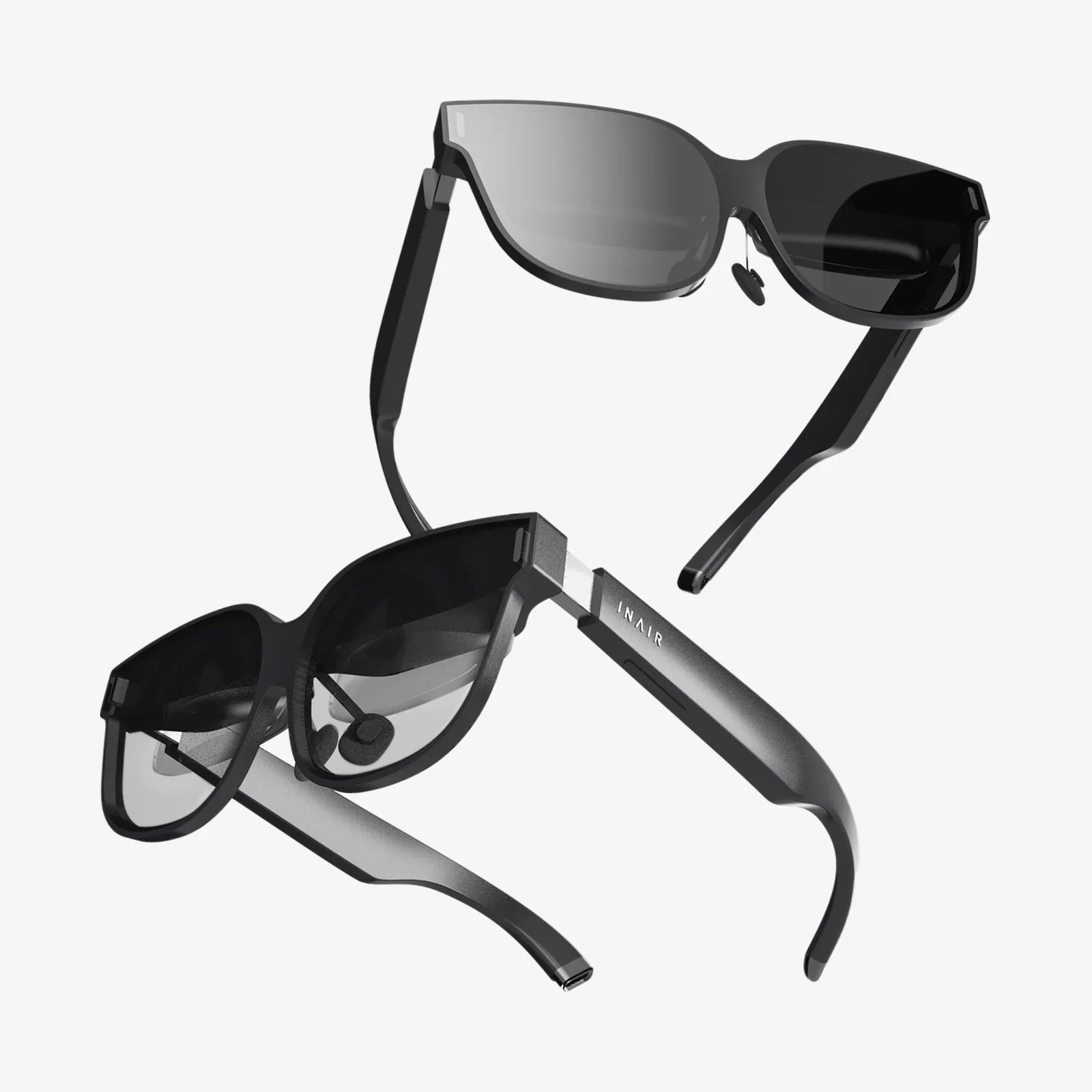
Imagine a world where your entire office, your creative studio, your portal to infinite knowledge and connection, slips effortlessly into a slim folio or even the back pocket of your jeans. This isn't a scene from a science fiction film; it's the reality forged by the relentless innovation behind the modern ultra-portable computer. These devices represent more than just miniaturized technology; they are the keys to a new era of unbounded productivity, creativity, and freedom, fundamentally reshaping how we work, learn, and interact with the world around us. The quest to pack immense power into an impossibly light and thin frame is one of the most compelling stories in modern computing, a story that continues to evolve at a breathtaking pace.
The Genesis of a Revolution: From Luggables to Pocket Power
The dream of a truly portable computer is not new. Decades ago, so-called "portable" machines weighed as much as a suitcase and offered a fraction of the power of their desk-bound cousins. They were curiosities for the wealthy or the specialized professional. The journey to today's sleek marvels was paved with incremental breakthroughs: the development of more energy-efficient processors, the invention of lithium-ion batteries, and the creation of brighter, thinner, and more durable display technologies like LED and later OLED. Each innovation shaved off ounces and millimeters, transforming the clunky "luggable" into the lightweight laptop and, ultimately, the feather-light tablet and hybrid devices we see today. This evolution was driven by a fundamental shift in user needs, moving from raw computational power alone to a delicate and coveted balance of performance, portability, and battery life.
Deconstructing the Marvel: What Makes a Computer "Ultra Portable"?
While the term is often used broadly, several key characteristics define a true ultra-portable computer. It's a symphony of engineering where every component is optimized for minimal size and maximum efficiency.
The Heart: System-on-a-Chip (SoC) Architecture
At the core of most modern ultra-portables lies a System-on-a-Chip. Unlike traditional computers where the CPU, GPU, memory, and controllers are separate components on a motherboard, an SoC integrates all these elements onto a single, tiny silicon die. This integration is revolutionary. It drastically reduces the physical space required, minimizes the distance electrons must travel (increasing speed and efficiency), and significantly reduces power consumption. This architectural shift is the primary enabler of the thin, fanless designs that are now commonplace, allowing for silent operation and robust reliability without moving parts.
The Soul: The Display and Interface
The user interface is paramount. Ultra-portables often feature high-resolution, high-brightness touchscreens that are both an output device and a primary input method. The quality of this panel is critical, with technologies like IPS for wide viewing angles and OLED for perfect blacks and stunning contrast becoming standard. Furthermore, the evolution of input methods has been crucial. Precision touchpads, responsive touchscreens, and sophisticated digital pens have matured to offer an experience that rivals, and in some cases surpasses, traditional mouse and keyboard setups for many tasks. This allows the device to shed the physical keyboard when needed, transforming from a laptop into a tablet in an instant.
The Lifeblood: Battery Technology and Power Management
Portability is meaningless without freedom from the wall outlet. Advanced power management is the unsung hero of the ultra-portable. Modern operating systems and chip architectures work in concert to intelligently throttle performance, manage background tasks, and power down unused components instantaneously. This software-hardware synergy, combined with high-density lithium-polymer batteries, enables all-day battery life that was unimaginable just a few years ago. The goal is no longer just to last a workday, but to truly forget your charger at home for a weekend trip without anxiety.
Weighing the Scales: The Inevitable Trade-Offs
This pursuit of minimalism does not come without compromise. Engineers and designers are constantly making calculated trade-offs to achieve their svelte designs.
- Performance vs. Thermals: High-performance components generate heat. In a device with no space for fans or large heat sinks, maximum sustained performance must often be capped to prevent overheating. While excellent for general productivity, web browsing, and media consumption, ultra-portables are generally not suited for prolonged, intensive tasks like high-end video rendering or hardcore gaming.
- Connectivity vs. Form Factor: The classic array of USB ports, HDMI, and SD card readers have been sacrificed on the altar of thinness. This has led to the rise of the ubiquitous USB-C port, which handles power, data, and video output through a single, versatile connection. While elegant, this often forces users to rely on dongles and hubs to connect to peripherals, an sometimes inconvenient extra step.
- Repairability and Upgradability: The quest for miniaturization often means components like the RAM and storage are soldered directly to the motherboard. This creates a incredibly compact and robust device, but it also means these core components cannot be upgraded or easily replaced by the user, effectively defining the machine's capabilities for its entire lifespan.
A World Transformed: The Impact on Work and Life
The societal impact of the ultra-portable computer is profound and far-reaching. It has been a catalyst for some of the most significant shifts in modern living.
The Demise of the Designated Workspace
The most obvious change is the normalization of remote and hybrid work. The ultra-portable computer is the physical embodiment of the digital nomad lifestyle. It has untethered knowledge workers from the cubicle farm, allowing them to be truly productive from a coffee shop, a home office, an airport lounge, or a beachside cabana. This flexibility has reshaped corporate culture, urban planning, and individual concepts of work-life balance. Collaboration no longer requires physical presence; a video call and a shared digital whiteboard on these powerful pocket-sized devices are often enough.
Supercharging Creativity and Education
For creators, these devices are a digital sketchbook, a mobile recording studio, and a video editing suite all in one. Artists can draw directly onto the screen with stunning accuracy, musicians can compose on the go, and photographers can edit high-resolution images from the field. In education, the barrier to entry for powerful computing tools has been obliterated. Students can carry a device that grants them access to vast digital libraries, complex simulation software, and collaborative projects, democratizing access to technology and empowering a new generation of creators and thinkers.
The Always-Connected Hub
With integrated high-speed cellular connectivity options, the ultra-portable is becoming a truly always-on device. This seamless access to cloud services, real-time communication, and streaming media means our personal and professional digital ecosystems are constantly with us. The line between smartphone, tablet, and computer continues to blur, with the ultra-portable often serving as the central, most powerful node in our personal network.
Gazing into the Crystal Ball: The Future of Ultra-Portable Computing
The trajectory of this category points toward even more seamless and powerful integration into our lives. We can anticipate several key developments on the horizon. The adoption of ARM-based architectures, known for their incredible power efficiency, will likely become the standard, promising even longer battery life and always-on functionality akin to a smartphone. Foldable and rollable display technology will further redefine form factors, allowing screen size to become variable rather than fixed. We will also see a greater emphasis on artificial intelligence integrated directly into the hardware, enabling features like advanced voice control, real-time language translation, and context-aware computing that anticipates user needs. The future ultra-portable will be less of a tool we consciously use and more of an intelligent, ambient companion.
Choosing Your Perfect Travel Companion
Selecting the right ultra-portable computer requires honest introspection about your needs. Ask yourself: Is a touchscreen and digital pen input crucial for my note-taking or creative work? Will I primarily use it for writing and browsing, or do I need to run more demanding specialized software? How important is all-day battery life versus peak performance? Do I rely heavily on legacy USB-A ports, or am I ready to embrace a USB-C-only world with a hub? Answering these questions will guide you toward the ideal blend of form, function, and operating system for your unique digital life.
The age of being chained to a desk is over, replaced by an era of unparalleled digital liberty. The ultra-portable computer is the tangible symbol of this shift, a masterpiece of engineering that condenses the vast potential of the digital universe into a package so light you'll forget it's in your bag—until the moment you need to create, connect, or explore from anywhere on Earth. This relentless drive for smaller, smarter, and more connected devices isn't just changing the gadgets we buy; it's quietly redesigning the blueprint of our daily lives, putting limitless potential literally at our fingertips.
Share:
Multi Screen Gaming Computers: The Ultimate Immersion and Power Guide
Multi Screen Gaming Computers: The Ultimate Immersion and Power Guide