


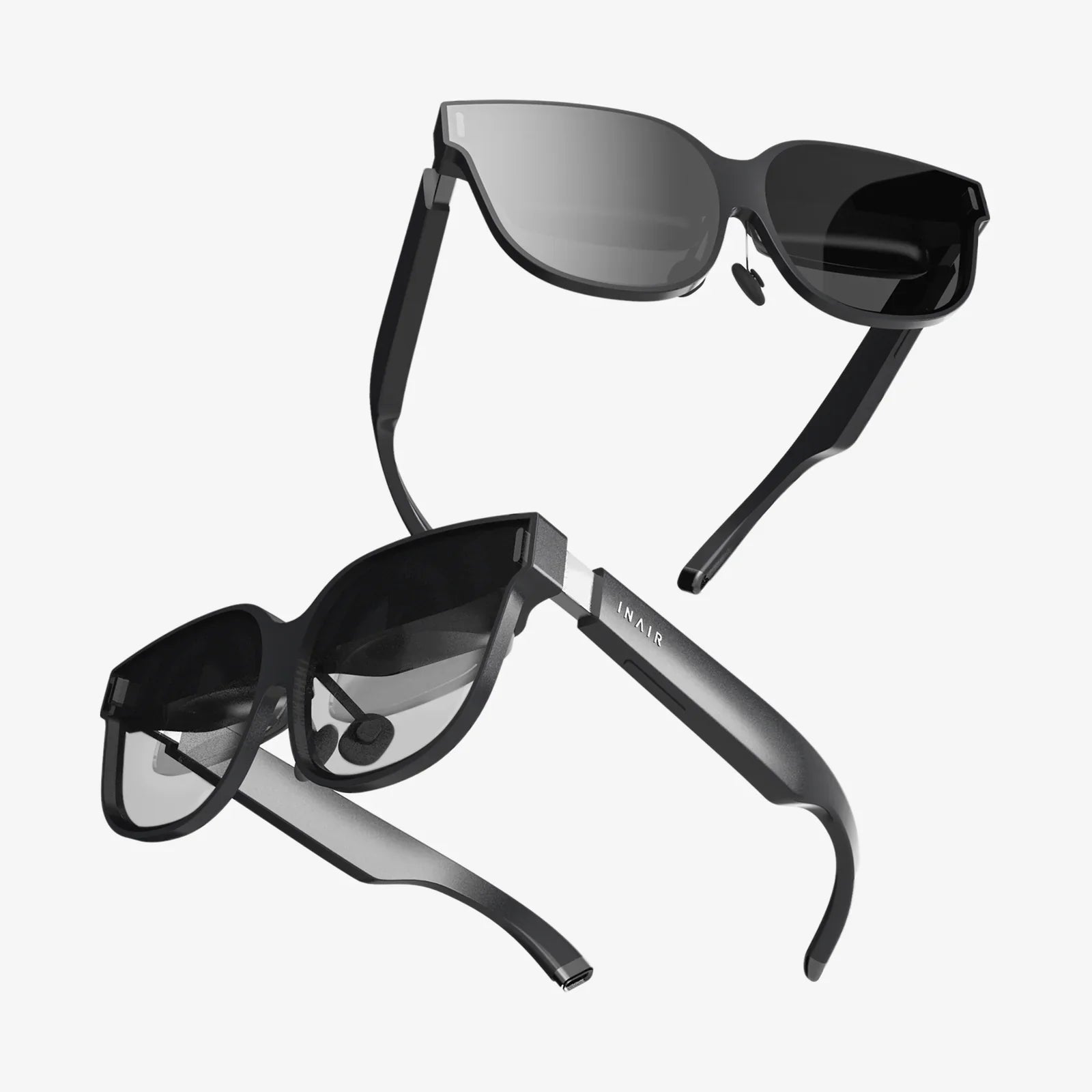
Imagine a screen that doesn’t just show you a window into a digital world, but rather wraps around your periphery, pulling you into its embrace and banishing the distracting edges of reality. This isn’t a glimpse into a distant sci-fi future; it’s the tangible, visceral experience offered by the ultra-wide screen ratio, a display format that is fundamentally reshaping how we work, play, and create. The journey from the boxy 4:3 monitors of the past to these cinematic panoramas is more than just an evolution in aspect ratio; it's a revolution in human-computer interaction, promising a level of immersion and efficiency once thought impossible on a desktop.
The Evolution of the Viewable Canvas: From Square to Spectacular
To truly appreciate the ultra-wide revolution, we must first understand the path that led us here. For decades, the standard definition of a computer monitor or television was a nearly square 4:3 aspect ratio. It was functional, familiar, and suited the content of its time. The shift to widescreen 16:9 was a seismic event, driven by the film industry's desire to bring the cinematic experience into the home. This wider format became the new universal standard, accommodating high-definition content and providing a more natural field of view for movies and games.
But innovation rarely stands still. The ultra-wide screen ratio, typically expressed as 21:9 (though even wider formats like 32:9 exist), represents the next logical step. It is a deliberate and decisive break from the conventions of broadcast television, designed not for passive consumption of standardized content, but for active, immersive engagement. By expanding the horizontal plane significantly without adding vertical height, these displays create a panoramic canvas that more closely mirrors the natural scope of human vision. This isn't merely a wider screen; it's a broader perspective on what computing can be.
Deconstructing the Dimensions: What Makes a Screen "Ultra-Wide"?
At its core, the term "ultra-wide screen ratio" refers to any aspect ratio significantly wider than the common 16:9 format. The most prevalent is 21:9, but the category also encompasses super-wide variants like 32:9, which are essentially two 16:9 screens side-by-side without a bezel in the middle.
- 21:9 (Cinematic Wide): This is the sweet spot for many users, offering a dramatic increase in horizontal real estate that is ideal for watching movies without black bars, multitasking with multiple windows, and enjoying a more immersive gaming experience.
- 32:9 (Super Ultra-Wide): Often called a "double-wide" monitor, this format is a productivity powerhouse. It provides an immense amount of screen space, effectively replacing a dual-monitor setup with a single, seamless panel.
The benefits of this expanded ratio are immediately apparent. There's a physicality to it—a sense of grandeur and scale that a standard monitor cannot replicate. It’s the difference between looking through a porthole and standing on the bridge of a starship, with data streams, creative tools, or alien worlds stretching out before you.
A New Era of Immersive Entertainment
For the entertainment enthusiast, the ultra-wide screen ratio is nothing short of a revelation. It transforms passive viewing into an active, captivating experience.
The Ultimate Home Cinema
Many Hollywood films are shot in aspect ratios much wider than 16:9, such as 2.35:1 or 2.39:1. When you watch these films on a standard widescreen TV, you are presented with black bars at the top and bottom of the screen—a necessary compromise to fit the cinematic image onto a narrower canvas. An ultra-wide 21:9 display, however, matches these filmic ratios almost perfectly. The result is a pure, undistracted, and truly cinematic experience where the action fills the entire screen from edge to edge. The black bars vanish, and the viewer is transported directly into the director's intended frame.
Gaming Reimagined: Peripheral Vision Advantage
In the world of gaming, the ultra-wide advantage is even more profound. Supported games render a significantly wider field of view (FOV) on these displays. This provides a critical tactical advantage, especially in competitive genres like first-person shooters, real-time strategy, and racing simulators. You can see enemies creeping in from the side, navigate treacherous corners with more contextual awareness, and appreciate vast open worlds in their full, breathtaking glory without the constant panning of a camera. The increased immersion is palpable; you don't feel like you're controlling a character on a screen, but rather that you are inside the game world itself. The monitor becomes a viewport, and the real world fades away.
The Productivity Powerhouse: Multitasking Unleashed
While entertainment showcases the glamour of ultra-wide, productivity reveals its genius. For anyone who uses a computer for work, the expansion of horizontal space is a direct catalyst for efficiency and workflow optimization.
The ability to view multiple applications simultaneously, fully functional and legible, without the physical barrier of a bezel between two screens, is a game-changer. Imagine a typical work scenario:
- A writer can have their research material open on one-third of the screen, their draft on another, and a communication app on the third, all visible at once.
- A video editor can have their timeline stretched across the entire bottom of the display, with source footage bins on the left and preview windows on the right, mimicking a professional editing bay.
- A financial analyst can have live market data, spreadsheets, and charting software open side-by-side, correlating data in real-time without Alt-Tabbing into oblivion.
- A developer can comfortably view their IDE, a local server terminal, and browser-based output all on a single, seamless display.
Modern operating systems have embraced this format, offering powerful window-snapping features specifically designed for these ultra-wide canvases. Software can be tiled, stacked, and organized with ease, turning a single monitor into a versatile and highly personalized command center. It reduces cognitive load, minimizes context switching, and creates a fluid, uninterrupted digital workspace.
Considerations and Adapting to the Wide World
Adopting an ultra-wide screen ratio is not without its considerations. The shift requires a slight adaptation in both hardware support and usage habits.
The most common hurdle is content compatibility. While support is growing rapidly, not all games and applications are optimized for 21:9 or wider formats. Some older games might stretch the image unnaturally or present with their own black bars on the sides ("pillarboxing"). However, the enthusiast community is robust, and workarounds or mods often exist. For video streaming, while dedicated 21:9 content from services is increasing, much broadcast television and user-generated content is still in 16:9, which will display with black bars on the sides. Most users find this a minor trade-off for the benefits gained elsewhere.
There's also a physical consideration. An ultra-wide monitor is a substantial piece of hardware. It demands a spacious desk and a sturdy stand or monitor arm. Proper ergonomics are crucial; the screen is so wide that you may need to slightly turn your head to see the extreme edges, so positioning the center of the screen directly in front of you is key to comfortable long-term use.
The Future is Wide: Where Do We Go From Here?
The trajectory of display technology points toward more immersion, not less. The ultra-wide screen ratio is a pivotal step on the path toward truly encompassing formats like curved, wraparound, or even flexible displays. As resolution increases with 4K, 5K, and beyond on these wide canvases, the pixel density will eliminate any visible grain, creating a seamless, paper-like clarity that is perfect for detailed professional work and hyper-realistic gaming.
We are also beginning to see the convergence of ultra-wide formats with other cutting-edge technologies. High Dynamic Range (HR) and elevated refresh rates are becoming standard on high-end ultra-wide panels, combining breathtaking color and buttery-smooth motion with the immersive wide view. This synergy creates a holistic premium experience that is greater than the sum of its parts.
Furthermore, as remote and hybrid work models become permanent fixtures, the demand for tools that enhance productivity and reduce friction will only intensify. The ultra-wide monitor, which functions as a centralized hub for communication, creation, and collaboration, is perfectly positioned to become an essential tool for the modern professional, a definitive upgrade over the traditional dual-monitor setup.
Stepping back to a standard screen after experiencing the expansive vista of an ultra-wide display feels constricting, like returning to a small room after walking in a wide-open field. It’s a testament to how quickly this technology has redefined our expectations of what a personal computing experience should be. It offers a compelling promise: a more efficient workflow, a deeper connection to our entertainment, and a more natural, human-centric way to interact with the digital universe. The view from here is not just wider; it’s fundamentally better.
Share:
AR Glasses Subtitles: The Silent Revolution in How We Hear the World
Infinite Objects Screen: The End of the Scroll and the Dawn of a New Digital Reality