


- by wangfred
Understanding the Digital Workplace: A Complete Guide to the Future of Work
- by wangfred
Imagine a work environment unbounded by physical walls, time zones, or clunky legacy systems—a seamless, intuitive ecosystem where technology empowers every employee to do their best work, from anywhere, at any time. This isn't a distant sci-fi fantasy; it's the immediate reality and competitive imperative of the modern digital workplace. For forward-thinking leaders and employees alike, understanding the digital workplace is the first critical step toward thriving in the new era of business. It represents a fundamental shift from simply using technology to being fully integrated within a digital fabric that defines how we connect, collaborate, and create value.
At its core, the digital workplace is a holistic strategy aimed at delivering a deeply integrated, user-centric, and productive work environment. It is the sum of all technologies, both formal and informal, that employees use to get their work done. To truly grasp its scope, we must dissect its key components, which work in concert to create a cohesive experience.
This is the central nervous system of the digital workplace. It moves far beyond basic email to encompass unified communication platforms that integrate instant messaging, voice and video calls, and meeting capabilities. These platforms create virtual hubs where teams can form, brainstorm, and make decisions in real-time, regardless of their physical location. They break down information silos by allowing conversations and file sharing to happen in dedicated channels, ensuring context is never lost and the right people always have access to the right information.
If collaboration platforms are the nervous system, knowledge management is the organizational memory. These systems provide a single source of truth for company documents, policies, procedures, and project assets. Advanced solutions leverage artificial intelligence to tag, categorize, and suggest content, making it effortlessly discoverable. This eliminates the endless search through cluttered network drives and outdated intranet pages, preserving institutional knowledge and preventing employees from constantly "reinventing the wheel."
While collaboration platforms often focus on team-based work, enterprise social networks foster community and connection across the entire organization. They mimic the informal, water-cooler conversations of a physical office, allowing leadership to broadcast news, celebrate successes, and gather employee feedback. This layer is crucial for building and maintaining company culture, fostering a sense of belonging, and enabling serendipitous connections that can spark innovation.
The digital workplace excels at eliminating mundane, repetitive tasks. Automation tools can streamline everything from onboarding new hires and processing vacation requests to managing complex multi-departmental approvals. By digitizing and automating these processes, organizations reduce errors, accelerate cycle times, and free up human capital to focus on higher-value, strategic work that requires creativity and critical thinking.
A truly effective digital workplace is not a chaotic collection of disparate logins and applications. It is characterized by a unified, personalized portal or dashboard. Through single sign-on (SSO) and digital adoption platforms, employees can access everything they need through a single, intuitive interface. This user-centric design is paramount for adoption and productivity, as it reduces cognitive load and friction, allowing employees to focus on their work rather on navigating complex technology.
Investing in a mature digital workplace is not an IT expense; it is a strategic business initiative with a demonstrable return on investment that touches every facet of the organization.
When employees are equipped with modern, intuitive tools that make their jobs easier, their satisfaction and output soar. They spend less time fighting technology and more time executing on key objectives. Flexible work arrangements supported by a robust digital infrastructure are a powerful tool for attracting and retaining top talent who value autonomy and a modern work experience.
The digital workplace breaks down barriers. It enables cross-functional teams to form quickly, share ideas openly, and iterate on solutions rapidly. This fluid exchange of information and democratization of collaboration empowers organizations to pivot faster in response to market changes, outmaneuver competitors, and bring new ideas to life with unprecedented speed.
The recent global shift to remote and hybrid models served as a massive stress test for business continuity. Organizations with a pre-existing or rapidly deployed digital workplace framework were able to maintain operations with minimal disruption. A cloud-based, digitally mature organization can operate effectively through virtually any disruption, ensuring resilience in an unpredictable world.
While there is an upfront investment, the long-term financial benefits are substantial. Reduced reliance on physical office space, paper-based processes, and on-premise infrastructure leads to considerable savings. Furthermore, the efficiency gains from automation and streamlined workflows directly contribute to a healthier bottom line.
The path to a successful digital workplace is fraught with potential pitfalls. Acknowledging and strategically addressing these challenges is the key to a successful rollout.
Technology is the easiest part; changing human behavior is the real challenge. Employees often resist new tools and ways of working due to fear, comfort with legacy systems, or a lack of understanding. A comprehensive change management strategy is non-negotiable. This involves clear, continuous communication from leadership about the "why," extensive and role-based training, and identifying and empowering champions across the organization to advocate for the new tools.
Without a strategic vision, the digital workplace can quickly become a confusing mess of overlapping applications—a phenomenon known as "digital sprawl." This leads to fatigue and reduces productivity. The solution lies in a carefully curated technology stack and a relentless focus on integration. APIs and pre-built connectors should be used to create a seamless flow of data between applications, creating a unified experience rather than a collection of isolated point solutions.
A powerful tool is useless if no one uses it. The user experience must be at the forefront of every decision. Tools should be intuitive, mobile-friendly, and genuinely useful for employees' daily tasks. Leadership must model the use of new platforms, and feedback loops must be established to continuously refine the digital environment based on real user experience.
A more connected and accessible workplace inherently expands the attack surface for cyber threats. A zero-trust security model, which assumes no user or device is inherently trustworthy, is essential. This must be balanced with usability. Clear governance policies are needed to define data ownership, access controls, and acceptable use, ensuring security without creating oppressive barriers that hinder collaboration.
The evolution of the digital workplace is accelerating, driven by emerging technologies that promise to make it even more intelligent, immersive, and adaptive.
AI is transitioning from a novelty to the core intelligence of the digital workplace. It will power hyper-personalized experiences, surfacing relevant information and connections before an employee even knows they need them. AI assistants will schedule meetings, transcribe conversations, summarize long threads, and automate complex tasks. Machine learning will analyze work patterns to optimize workflows and provide managers with insights into team well-being and productivity trends.
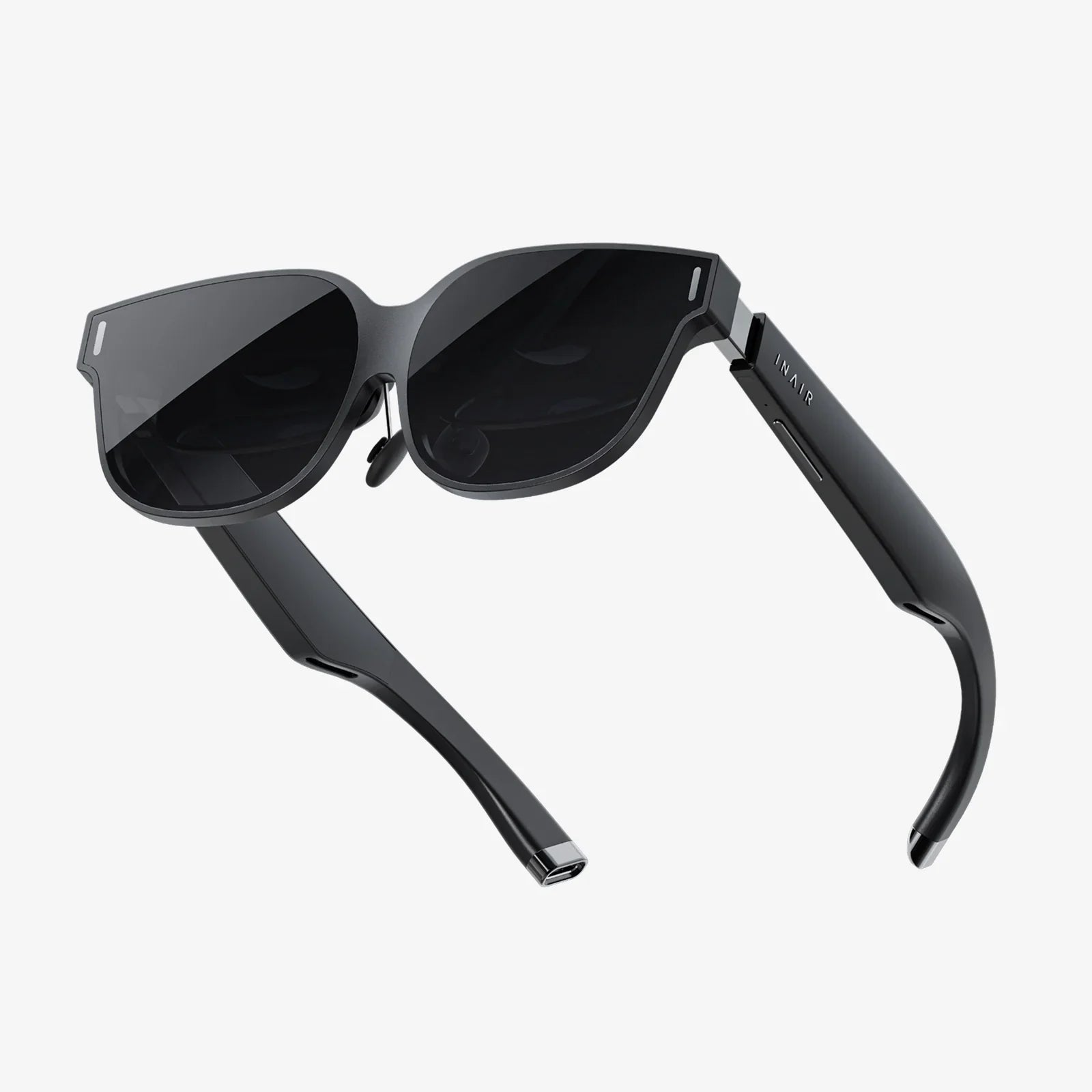
Virtual (VR) and augmented reality (AR) are poised to move beyond gaming and into the mainstream of work. Imagine onboarding a new remote employee with a VR tour of a virtual office or conducting a product design review in a shared 3D immersive space. These technologies have the potential to restore the richness of in-person interaction to remote collaboration, creating a sense of "presence" that video calls cannot match.
The future digital workplace will be judged not just on output, but on its impact on employee well-being. Technology will increasingly be used to combat digital overload, with features that encourage focused work, signal the end of the workday, and promote healthy work-life boundaries. Analytics will shift from monitoring activity to understanding experience, providing insights that help leaders create a more sustainable and supportive work environment.
To keep pace with unique business needs, the digital workplace will empower "citizen developers"—employees with no formal coding background—to build their own simple applications and automate their own workflows using low-code/no-code platforms. This democratization of development accelerates innovation, reduces the burden on IT departments, and gives teams direct control over optimizing their own digital tools.
The journey to a mature digital workplace is ongoing, a continuous cycle of adaptation and improvement rather than a final destination. It demands a clear vision, unwavering leadership commitment, and a deep empathy for the employee experience. The organizations that will lead the next decade are those that stop viewing digital tools as a cost center and start leveraging them as the very platform upon which their culture, innovation, and competitive advantage are built. The future of work is not a place you go; it's an experience you create, and that experience is now digital.