


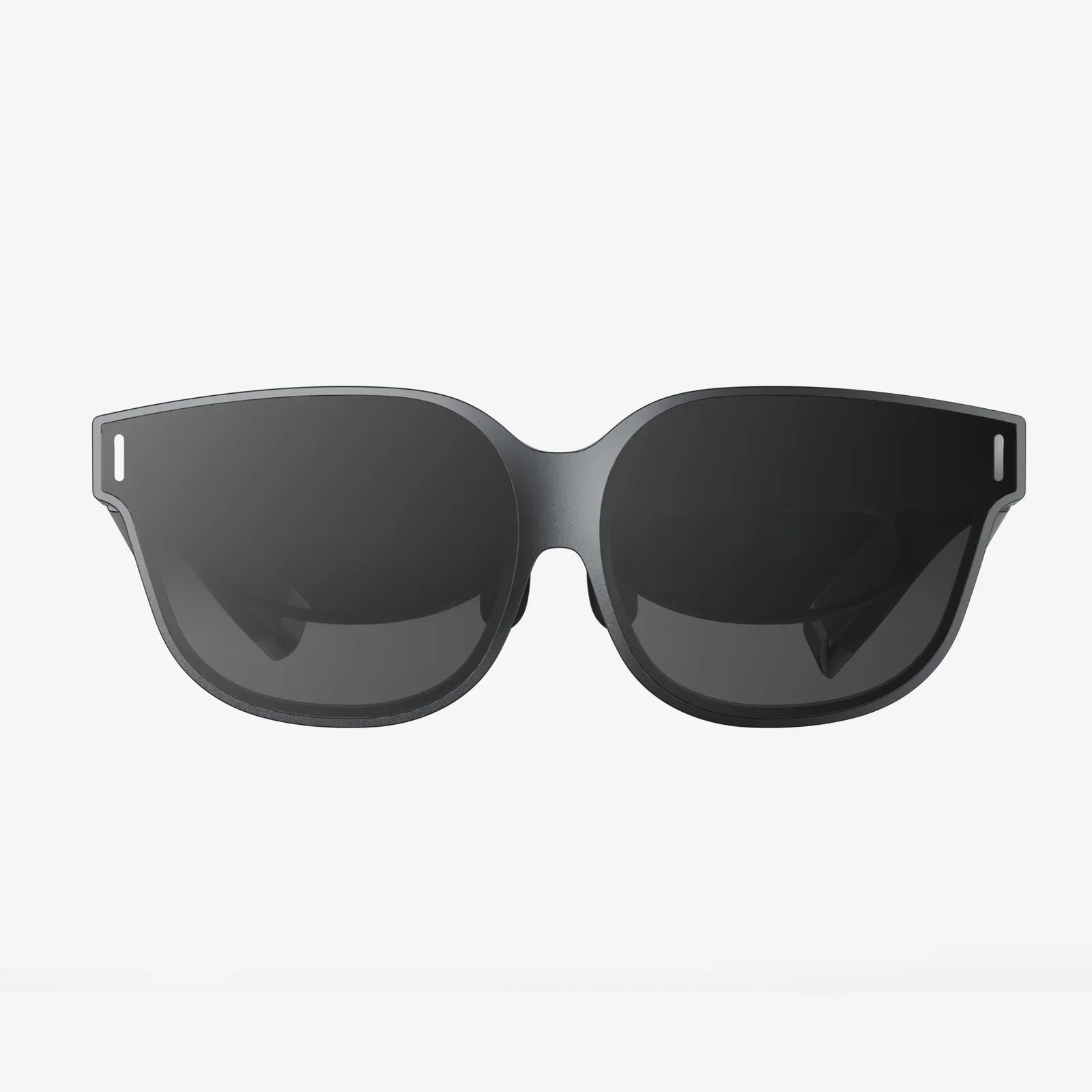
The tech world is buzzing with a singular, electrifying rumor: a new contender in the augmented reality space is coming, and it’s not just an incremental update. Whispers from supply chains, patent filings, and industry insiders all point to a device that isn’t playing by the old rules. This isn’t just another headset; it’s a portal, a promise of a future we’ve only seen in science fiction. The anticipation is palpable because this upcoming AR headset is slated to feature three core technological revolutions that will fundamentally alter our relationship with technology, work, and each other. Forget what you know about AR; this changes everything.
The Foundation of the Next Digital Revolution
For years, augmented reality has been a technology of immense potential perpetually stuck in the "almost there" phase. Early devices were bulky, socially isolating, and offered limited utility beyond niche industrial applications or novel gaming experiences. The field was defined by a series of trade-offs: power for portability, field of view for battery life, immersion for comfort. Users were forced to choose, and often, the compromises were too great for widespread adoption. The market has been waiting for a catalyst, a device that breaks this cycle of compromise and delivers a holistic, powerful, and genuinely useful experience. The upcoming headset, by focusing on a triad of innovations, appears to be that very catalyst.
The First Feature: A Quantum Leap in Photonic Display Technology
The most immediate and awe-inspiring aspect of any AR experience is the visual display. How digital content is rendered, how it blends with the real world, and how it feels to look at for extended periods are all paramount. The first revolutionary feature this headset will feature is a next-generation photonic display system.
This isn’t just a higher-resolution screen. Traditional AR displays have struggled with the "see-through" paradox: how to project bright, vibrant images that are visible in all lighting conditions, especially outdoors, without consuming immense power and generating excessive heat. This new system reportedly solves this through a combination of advanced waveguides and microLED technology. Imagine waveguides that are orders of magnitude more efficient at directing light into your eye, eliminating the ghosting and dimness that plagued earlier devices. Coupled with self-emissive microLEDs, which offer incredible brightness, perfect blacks, and high dynamic range, the result is digital imagery that is indistinguishable from physical objects in terms of clarity and luminosity.
The practical implications are staggering. A design architect could walk onto a barren construction site and see the fully rendered building, complete with material textures, at perfect scale under the midday sun. A medical student could practice procedures on a holographic patient that appears solid and real in a well-lit classroom. This display technology finally achieves the holy grail: digital content that truly lives in your world, not behind a dim window.
The Second Feature: Advanced Neural Interface for Intuitive Control
If the first feature is about output, the second is about input. How do we interact with this rich digital tapestry? Hand-tracking and voice commands have been the primary methods, but they have limitations. Voice can be socially awkward and noisy environments, while hand-tracking can be imprecise and lead to "gorilla arm" fatigue. The upcoming headset will feature a sophisticated neural interface that reads and interprets subtle bio-signals.
This does not mean reading your thoughts. Instead, it involves a combination of high-fidelity electroencephalography (EEG) and electromyography (EMG) sensors built into the headset’s strap. These sensors can detect the faint electrical signals sent from your brain to your muscles when you intend to move, even if the movement is imperceptibly small. A slight twitch of a finger, a subtle clench of the jaw, or even the intention to smile can be captured and translated into a command.
This creates a control scheme that is both effortless and incredibly powerful. You could scroll through a menu by simply thinking about moving your finger, select an item with a slight eyebrow raise, or dismiss a notification with a tiny, unconscious tongue click. This technology moves interaction from the realm of conscious, physical effort to subconscious intention. It dramatically reduces the cognitive load and social friction of using AR in public, making the technology feel like a natural extension of your own nervous system. This is the key to moving from using a device to wearing a computer.
The Third Feature: A Comprehensive Contextual Awareness Engine
The third pillar completes the trifecta, making the device not just a tool, but a proactive assistant. The headset will feature a powerful contextual awareness engine, a sophisticated fusion of hardware and AI that allows it to understand its environment and your place within it on a deep level.
This is powered by a new suite of sensors, including high-resolution LiDAR, RGB cameras, depth sensors, and microphones, all working in concert. But the magic lies in the onboard AI processor specifically designed for continuous, low-power sensor fusion and spatial computation. This engine doesn’t just map a room in 3D; it understands it. It can identify objects (“this is a coffee cup, this is a specific model of laptop”), surfaces (“this is a wooden table, this is a glass window”), and even people, recognizing faces and interpreting basic body language.
More importantly, it learns your context. It knows if you’re in a meeting, relaxing at home, or walking down a busy street. It can see what you’re looking at and infer what you might need. Walk into your kitchen in the morning, and it automatically displays your calendar and the day’s weather next to your coffee machine. Sit down at your desk, and your virtual monitors appear exactly where you left them. Hold up a product in a store, and it instantly pulls up reviews and price comparisons without a single uttered command. This feature transforms the device from a passive display into an intelligent partner that anticipates your needs and seamlessly integrates information into the fabric of your life.
The Convergence: A Symphony of Technological Harmony
The true genius of this upcoming headset is not in these three features existing in isolation, but in their profound synergy. The photonic display makes the digital world real. The neural interface allows you to manipulate it with your mind. The contextual awareness engine ensures the right information is available at the right time without you having to ask. Together, they create a feedback loop of seamless computing.
For example, your contextual engine recognizes you are looking at a complex engine part. It automatically highlights components and pulls up the relevant schematic, rendered with stunning clarity by the photonic display. As you focus on a specific bolt, your neural interface detects your intent, and a torque specification overlay appears. You never had to search, click, or speak a word. The technology understood your task and your moment-to-moment intention, becoming a true extension of your cognition.
Implications for the Future
The ripple effects of this technological trifecta will be felt across every industry. Remote collaboration will evolve from video calls to shared holographic workspaces where colleagues can intuitively manipulate 3D models together. Education will become experiential, with students dissecting virtual frogs or walking through ancient Rome. The very concept of a static, rectangular screen—the dominant interface for half a century—will begin to fade, replaced by a dynamic, spatial, and personal computing environment.
This isn’t just a new product launch; it’s the spark for a new platform. It establishes a new benchmark, a trio of technologies that will define the next decade of AR development. It answers the critical questions of visual fidelity, intuitive interaction, and practical utility that have held the category back. The age of ambient computing, where technology is everywhere yet invisible, helpful yet unobtrusive, is finally here. The door to that future is about to open.
Imagine a world where your digital life doesn’t live in your pocket but is painted onto the world around you, controlled by a thought, and aware of everything you see and do. The whispers are getting louder, the patents are being granted, and the future is being built around three simple ideas. This isn’t just another piece of tech; it’s the key to a new reality, and it’s almost here.
Share:
How to Make VR Goggles for iPhone: A Complete DIY Guide to Immersive Reality
How to Make VR Goggles for iPhone: A Complete DIY Guide to Immersive Reality