


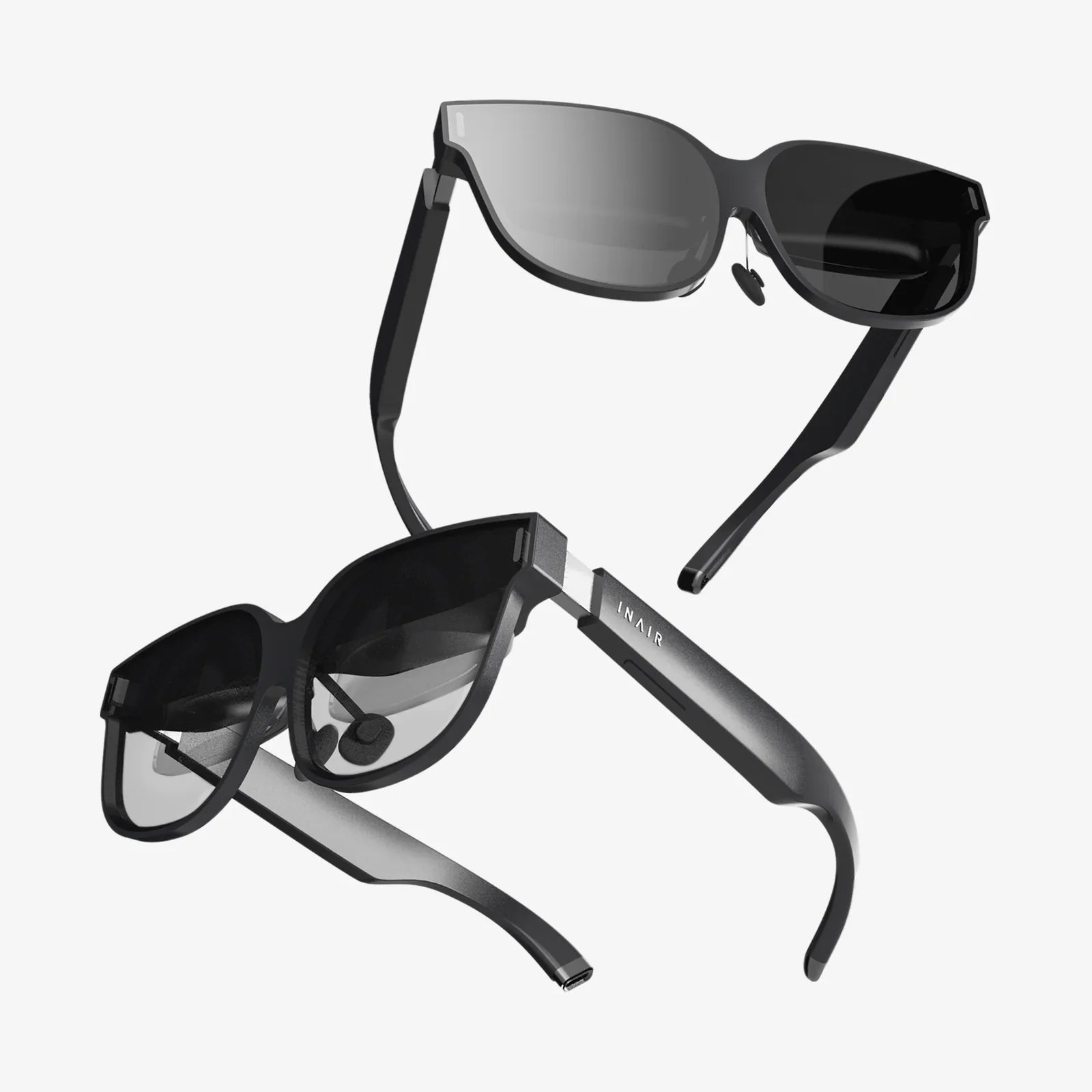
The digital horizon is shimmering with a promise so tangible you can almost reach out and touch it. For enthusiasts, professionals, and curious onlookers alike, the buzz surrounding the upcoming VR headset generation is more than just hype; it’s the palpable anticipation of a paradigm shift. We stand on the precipice of a new era in computing, one where the boundaries between our physical reality and digital worlds are not just blurred but seamlessly woven together. This isn't merely an incremental update; it's a fundamental reimagining of what it means to step into another dimension. The whispers from R&D labs and the tantalizing patents point to a future where the headset itself vanishes, leaving only the experience in its wake.
The journey to this point has been remarkable. We've moved from clunky, low-resolution prototypes to devices capable of genuine immersion. Yet, each previous generation has carried with it a set of compromises—tethered cables, limited field-of-view, weighty designs, and a lingering disconnect colloquially known as the "screen door effect." The central promise of the upcoming VR headset is to shatter these remaining barriers. The focus is no longer solely on raw graphical power but on a holistic fusion of advanced optics, intuitive interaction, and comfortable, all-day usability. The goal is to make the technology recede into the background, allowing the human experience to take center stage.
The Pillars of Next-Generation Immersion
The leap forward is being built upon several key technological pillars, each solving a critical piece of the immersion puzzle.
Visual Fidelity: Beyond Resolution
While increases in per-eye resolution are a given, the true revolution lies in the adoption of Micro-OLED and pancake lens technology. Micro-OLED panels offer unparalleled pixel density, effectively eliminating the screen door effect and delivering true "retina" level clarity in VR. They provide perfect blacks and vibrant colors, creating contrast ratios that LCDs simply cannot match. Coupled with these displays are advanced pancake lenses. These compact optical stacks not only allow for a drastically slimmer and lighter headset design but also provide a much larger "sweet spot," reducing blurriness around the edges and making the headset more comfortable for a wider range of users. Furthermore, expect to see significant improvements in field-of-view (FoV), pushing beyond the standard 90-110 degrees to encompass more of our natural peripheral vision, which is crucial for triggering deep-seated feelings of presence.
The Promise of True Visual Comfort
A longstanding challenge in VR has been the vergence-accommodation conflict (VAC). In the real world, our eyes converge (cross or uncross) and accommodate (focus) simultaneously when looking at objects at different distances. In traditional VR, the eyes converge on a virtual object, but the focus remains fixed on the screen a few centimeters away. This disconnect is a primary cause of eye strain and fatigue. The upcoming VR headset generation is poised to tackle this through varifocal and, eventually, light field displays. These systems dynamically adjust the focal plane or project light rays to match the depth of the virtual object, allowing our eyes to focus naturally. This isn't just a comfort feature; it's a fundamental step towards making prolonged VR sessions as natural as looking at the real world.
Unshackling the User: The Wireless Standard
The tether has long been the chain that prevents true freedom of movement. While wireless adapters exist, they often come with compromises in latency, compression, and battery life. The next wave of headsets will embrace high-fidelity wireless as a default standard, leveraging technologies like Wi-Fi 6E and 7 to deliver uncompromised, low-latency video streams. This liberation is profound. It enables full-body, room-scale experiences without the constant fear of tripping over a cable. It transforms the headset from a stationary console accessory into a truly portable device, easily moving between rooms or even locations, unlocking new possibilities for social and physical gameplay.
Intelligent Interaction and Embodiment
How we interact with virtual worlds is undergoing its own quiet revolution, moving beyond buttons and sticks towards intuition and embodiment.
The Rise of Inside-Out Tracking and Eye & Face Tracking
External base stations for tracking are becoming a legacy technology. The upcoming VR headset will rely on sophisticated inside-out tracking using a array of high-resolution cameras and sensors. These cameras not only map the room with incredible accuracy for safe movement but also enable powerful new features. Eye-tracking is set to become a cornerstone technology. Its applications are multifold: it enables foveated rendering, a technique that renders the area of the screen you are directly looking at in high resolution while subtly reducing the detail in your peripheral vision. This dramatically reduces the computational load, allowing for stunning graphics without requiring a supercomputer. Beyond performance, eye-tracking unlocks nuanced social interaction in shared virtual spaces. Avatars can make genuine eye contact, blink, and express a wide range of emotions that are directly driven by the user's own facial muscles, thanks to simultaneous face tracking. This is the key to defeating the "uncanny valley" and creating authentic human connection in the metaverse.
Haptics: The Sense of Touch
Immersion is not complete without touch. The next generation is moving beyond simple controller rumble to advanced haptic feedback systems. This includes controllers that can simulate the resistance of squeezing a trigger or the texture of a virtual surface. Looking further ahead, research into haptic gloves and even ultrasonic or electro-tactile feedback systems promises to let users feel the shape, weight, and texture of digital objects with their bare hands. This will be transformative for enterprise applications like design and medicine, as well as for deepening gameplay and creative expression.
Beyond Gaming: The Expansive Ecosystem
While gaming will remain a powerful driver, the value proposition of the upcoming VR headset extends far into professional and social domains.
The Virtual Workspace
The concept of the "infinite office" is becoming a reality. With high-resolution displays and comfortable form factors, these headsets are poised to replace multi-monitor setups. Imagine working within a vast, panoramic digital environment, with browsers, documents, and communication tools arrayed around you in a 360-degree workspace. Virtual meetings will evolve from grid-of-faces video calls to collaborative sessions in shared 3D spaces, where teams can interact with 3D models, data visualizations, and whiteboards as if they were physically present. This has profound implications for remote work, design, architecture, and engineering.
Social Connection and the Metaverse
The much-discussed "metaverse" will find its primary gateway through these advanced headsets. It won't be about navigating a flat website but about inhabiting a digital space with others. The combination of lifelike avatars, driven by eye and face tracking, and spatial audio will make virtual gatherings—from concerts and conferences to casual hangouts—feel genuinely social and emotionally resonant. This technology has the potential to redefine long-distance relationships, family connections, and community building, erasing physical distance as a barrier to shared experience.
Training, Education, and Healthcare
The risk-free, repeatable, and highly immersive nature of VR makes it perfect for simulation. Surgeons can practice complex procedures, mechanics can learn to repair new engines, and soldiers can train for high-pressure scenarios—all without any real-world cost or danger. In education, students can take field trips to ancient Rome, explore the human bloodstream from the inside, or manipulate complex molecular structures. In healthcare, VR is already being used for exposure therapy, pain management, and physical rehabilitation. The increased fidelity and comfort of new headsets will only accelerate these life-changing applications.
Navigating the Challenges on the Horizon
This bright future is not without its obstacles. Processing power remains a challenge; generating two high-resolution, high-frame-rate feeds with advanced lighting and effects is incredibly demanding. The industry will rely on a combination of cloud streaming and more efficient standalone chipsets. Battery life for these untethered powerhouses is another critical area of development. Perhaps the most significant challenge is content. Hardware is meaningless without software that showcases its potential. Developers must be empowered to create experiences that leverage these new capabilities in meaningful ways, moving beyond tech demos to full-fledged applications and narratives.
Finally, the elephant in the room: privacy and ethics. Headsets with always-on cameras and microphones, coupled with eye-tracking and facial expression data, collect an unprecedented amount of biometric information. The industry must establish and adhere to rigorous, transparent data policies to ensure user trust is not broken. The potential for addiction and the further blurring of lines between reality and virtuality are societal questions we must grapple with collectively.
The whispers are getting louder, the patents more frequent, and the anticipation more intense. The upcoming VR headset is not just another piece of consumer electronics; it is a passport to a new layer of reality. It promises to redefine how we work, learn, play, and connect on a fundamental level. The barriers of visual imperfection, physical discomfort, and clumsy interaction are finally crumbling, paving the way for a future where the digital and physical coexist in a harmonious blend. This is more than an upgrade; it’s the dawn of a new sensory realm, and it’s arriving sooner than you think. The only question that remains is not if you will step through, but when.
Share:
VR Headset for TV: The Ultimate Guide to Transforming Your Viewing Experience
How to Watch Movies on a VR Headset: The Ultimate Immersive Cinema Guide