


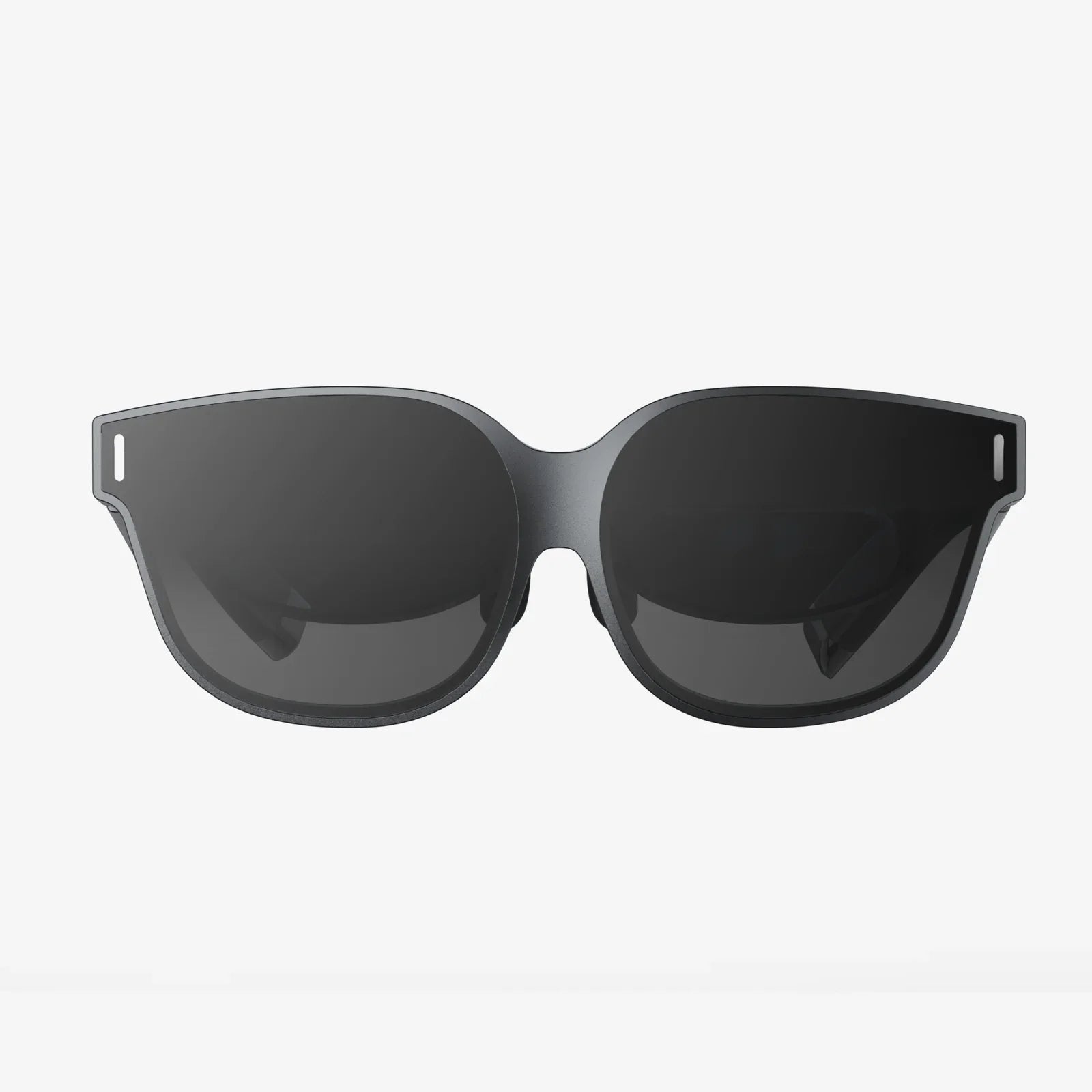
Imagine a world where your clothing monitors your health, your glasses overlay digital information onto the real world, and a subtle, comfortable device on your skin can translate languages in real-time. This isn't science fiction; it's the imminent reality promised by upcoming wearable technology. We are standing on the precipice of a revolution that will move computing from our pockets and wrists directly onto our bodies and into our environments, creating a seamless, intuitive, and profoundly personal technological experience. The next generation of wearables is set to transcend the fitness tracker, evolving into indispensable partners in health, productivity, and human connection.
The Evolution Beyond the Wrist: A New Form Factor Paradigm
For over a decade, the smartwatch and fitness band have been the undisputed champions of the wearable world. They successfully brought data tracking to the masses, democratizing health metrics and notifications. However, the wrist is a limited canvas. Upcoming wearable technology is exploding beyond this constraint, exploring new territories on the human body that offer unique advantages.
The future points towards wearables that are less obtrusive and more integrated. Think smart rings, packed with miniaturized sensors for sleep tracking and contactless payments, offering a discrete and continuous form of monitoring. Consider advanced hearables—next-generation earbuds that do far more than play music. They will actively filter noise, enhance hearing, provide real-time language translation, and monitor vital signs like core body temperature and heart rate from within the ear canal, a location rich in vascular data.
Perhaps the most significant leap will come from smart clothing and electronic textiles (e-textiles). We are moving towards shirts that measure ECG, socks that analyze running gait, and yoga pants that provide haptic feedback to correct your posture. These garments will be washable, durable, and indistinguishable from regular clothing, embedding technology so seamlessly that it effectively disappears, becoming a passive, yet powerful, layer of our daily lives.
The Rise of Ambient Computing and Invisible Interfaces
This proliferation of devices leads to a fundamental shift in how we interact with technology: the move towards ambient computing. Instead of consciously pulling out a phone or looking at a screen, information and assistance will be ambiently available in our environment, accessed through natural interactions like voice, gesture, and glance. Upcoming wearable technology is the key enabler of this paradigm.
Smart glasses, more sophisticated and socially acceptable than their first-generation ancestors, will project contextual information onto our field of view—navigation arrows on the street, the name of a colleague you just met, or the recipe for the dish you're cooking. They will be the primary interface for augmented reality (AR), blending the digital and physical worlds. Furthermore, miniaturized sensors embedded in our environment and on our bodies will work in concert, creating a cohesive network that understands our context and needs without explicit commands. The technology fades into the background, putting the human experience firmly in the foreground.
Revolutionizing Personalized Health and Predictive Medicine
This is arguably the most impactful domain for upcoming wearable technology. The shift from reactive to predictive and preventative healthcare will be supercharged by wearables that offer continuous, clinical-grade monitoring. Future devices will move beyond counting steps and heart rate, delving into a much deeper physiological and biochemical analysis.
We are looking at non-invasive blood glucose monitors for diabetics, removing the need for finger-prick tests. Patches and wearables capable of continuous blood pressure monitoring will provide a far richer dataset than a single reading at a doctor's office. Advanced sensors will analyze sweat for biomarkers indicating dehydration, electrolyte imbalance, or even early signs of illness. The data collected will be processed by sophisticated algorithms on-device or in the cloud, powered by artificial intelligence to spot trends, predict potential health events, and provide personalized recommendations.
This creates a powerful feedback loop. Your wearable might detect a slight atrial fibrillation episode and advise you to seek medical attention, or it could notice a trend of restless sleep and suggest adjustments to your evening routine. This empowers individuals with unprecedented insight into their own well-being and provides clinicians with objective, long-term data to inform diagnoses and treatment plans, truly personalizing medicine.
Advanced Biosensing and the Quest for Holistic Data
The accuracy and scope of biosensing are at the heart of this health revolution. Upcoming wearable technology is investing heavily in new sensing modalities. Photoplethysmography (PPG) sensors will become more advanced, capable of measuring blood oxygen saturation (SpO2), respiratory rate, and even stress levels through heart rate variability (HRV) with greater precision.
Electrodermal activity (EDA) sensors will measure minute changes in the skin's conductance to track sympathetic nervous system activation, a key indicator of stress. Bioimpedance sensors will provide more accurate estimates of body composition. The holy grail remains non-invasive and continuous monitoring of key biomarkers like cortisol (the stress hormone), lactate, and alcohol levels. The fusion of data from multiple sensors—optical, electrical, and chemical—will provide a holistic picture of a user's physiological state, moving from simple activity tracking to true health guardianship.
Brain-Computer Interfaces: The Final Frontier of Interaction
While still in earlier stages of consumer development, non-invasive brain-computer interfaces (BCIs) represent the most futuristic branch of upcoming wearable technology. These devices, often in the form of headbands or other wearable apparatus, use electrodes to read EEG (electroencephalogram) signals from the scalp.
The initial applications are focused on meditation and focus, helping users understand and train their brain states. However, the long-term potential is staggering. BCIs could allow for controlling devices with thought, restoring communication for people with paralysis, or even managing neurological conditions like epilepsy by predicting seizures. This technology promises to dismantle the last barrier between human intention and machine action, creating a direct pathway from the brain to the digital world.
The Critical Challenges: Power, Privacy, and the Digital Divide
For this bright future to be realized, significant hurdles must be overcome. The foremost challenge is power. More sensors and constant data processing demand more energy. Innovations in low-power chipsets, energy harvesting (such as using body heat or movement to generate power), and advanced battery technology are crucial. Without a solution, we will be constantly charging an armada of devices, undermining the promise of seamless, continuous use.
Secondly, and most critically, is the issue of privacy and security. These devices will collect the most intimate data imaginable: our real-time location, health vitals, sleep patterns, and even brain activity. This data is a goldmine, not just for personalized insights but also for malicious actors or intrusive advertisers. Robust encryption, strict data anonymization policies, and clear user consent frameworks are non-negotiable. The industry must prioritize building trust alongside building technology. There is also a risk of exacerbating the digital divide, where access to these advanced health and productivity tools is limited to those who can afford them, creating a new class of health and information haves and have-nots.
The Seamless Integration into Daily Life
Ultimately, the success of upcoming wearable technology hinges on its ability to integrate seamlessly into our lives. This means not just miniaturization, but also focusing on aesthetics, comfort, and durability. Devices must be fashionable, customizable, and comfortable enough to wear 24/7. They must be robust enough to withstand showers, workouts, and the general wear and tear of daily existence.
The user experience must be intuitive, with proactive and contextually relevant notifications that are helpful, not distracting. The goal is for the technology to feel less like a tool and more like a natural extension of ourselves—a symbiotic relationship where the device understands our needs and acts upon them quietly and efficiently, enhancing our human capabilities without overwhelming our humanity.
The trajectory is clear: we are weaving computing into the very fabric of our existence. The next wave of wearables won't be something you check; they will be something you wear, something that is perpetually aware and assistive. They promise a future where technology understands not just our commands, but our context, our health, and our unspoken needs, creating a world that is not only smarter but also healthier, safer, and more intuitively connected to who we are.
Share:
How to Make Wearable Technology: A Comprehensive Guide from Concept to Prototype
Best All in One VR Headset 2025: The Ultimate Untethered Experience