Imagine a world where digital information doesn't confine you to a screen but spills out into your living room, where historical figures can give you a tour of ancient ruins, and where a surgeon can see a patient's vital signs superimposed directly on their body during an operation. This is no longer the realm of science fiction; it is the rapidly evolving, tangible present of the usage of augmented reality. This technology, which seamlessly blends computer-generated perceptual information with our physical environment, is poised to become as ubiquitous as the smartphone, fundamentally altering how we work, learn, play, and connect. The journey from a novel gimmick to an indispensable tool is underway, and its implications are nothing short of revolutionary, promising to reshape the very fabric of our daily interactions with the world around us.
Demystifying the Digital Veil: What Exactly is Augmented Reality?
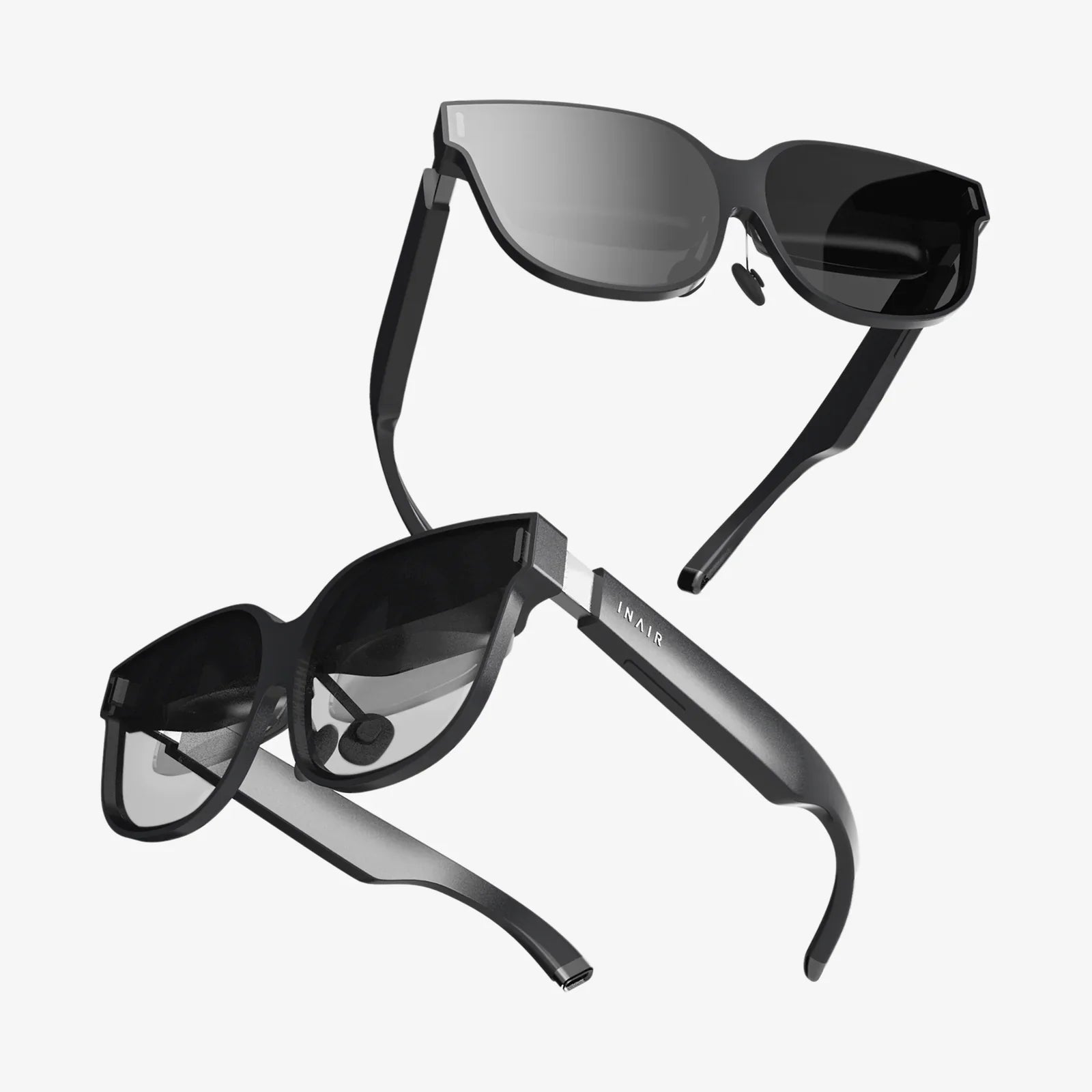
Before delving into its vast applications, it is crucial to understand what distinguishes augmented reality from other immersive technologies. Unlike Virtual Reality (VR), which creates a completely artificial digital environment, shutting out the physical world, Augmented Reality (AR) enhances one's real-world surroundings by overlaying digital content—images, video, 3D models, text, and audio—onto them. The user remains present in their own environment but experiences an enhanced version of reality where digital and physical objects coexist and interact in real-time. This is primarily achieved through devices like smartphones, tablets, smart glasses, and heads-up displays (HUDs), which use cameras, sensors, and algorithms to recognize the environment and anchor digital content to specific points within it.
The core technological stack enabling this magic involves several key components. Computer vision is the bedrock, allowing the device to understand and interpret the visual world. This includes object recognition, spatial mapping (creating a digital understanding of the physical space's geometry), and motion tracking. Display technology is the canvas, ranging from the screens on our handheld devices to more advanced systems like optical projection, retinal displays, and transparent lenses in smart glasses. Finally, processing power and connectivity (like 5G) provide the necessary computational muscle and data speed to render complex digital overlays without lag, ensuring a seamless and believable experience.
The Evolution of a Vision: From Laboratory to Pocket
The conceptual seeds of augmented reality were planted decades ago. In 1968, computer scientist Ivan Sutherland created the "Sword of Damocles," a head-mounted display system so primitive and heavy it had to be suspended from the ceiling, yet it laid the foundational vision for spatial computing. For years, AR remained confined to research labs and high-budget industrial and military applications, such as the heads-up displays in fighter jet cockpits that project targeting and navigation data onto the windshield.
The true catalyst for its mainstream adoption was the proliferation of powerful smartphones. Equipped with high-resolution cameras, precise GPS, gyroscopes, and accelerometers, these devices became the perfect AR-ready platforms. The release of AR development kits and software platforms empowered a new generation of developers to create applications that millions could access instantly. A significant cultural moment was the viral explosion of a mobile game that brought fantastical creatures into parks and city streets, demonstrating the mass appeal and social potential of AR. This marked a pivotal shift, proving that the usage of augmented reality was not just for specialists but for everyone.
Transforming the Marketplace: Retail, Marketing, and E-Commerce
Perhaps the most visible and rapidly adopted usage of augmented reality has been in the commercial sector, where it solves a fundamental problem: the gap between digital browsing and physical experience.
-
Virtual Try-On and Preview: Consumers can now visualize products in their own space or on their own person with astonishing accuracy. Shoppers can see how a new sofa would look in their living room, how a watch would fit on their wrist, or how a shade of lipstick would complement their skin tone, all through their phone's camera. This not only enhances customer confidence and reduces purchase hesitation but also significantly decreases return rates, creating a win-win for retailers and buyers alike.
-
Interactive Marketing and Packaging: AR transforms static print ads, posters, and product packaging into dynamic, interactive portals. By scanning a marker with a smartphone, a user can unlock immersive brand experiences—watching a car drive off the page in a 3D animation, seeing a recipe tutorial pop out from a cereal box, or participating in an interactive scavenger hunt. This deepens brand engagement and creates memorable experiences that transcend traditional advertising.
-
In-Store Navigation and Information: Large retail stores are using AR wayfinding apps to help customers navigate aisles and locate items quickly. By simply pointing their phone, shoppers can see digital arrows guiding them to the pasta sauce or lightbulbs. Furthermore, pointing a device at a product can overlay digital information, such as user reviews, ingredient lists, or comparable items, enriching the in-store shopping journey with the power of online data.
Revolutionizing Knowledge and Skills: Education and Training
The usage of augmented reality in education is dismantling the traditional boundaries of the classroom, transforming abstract concepts into tangible, interactive experiences.
-
Interactive Learning Models: Instead of staring at a 2D diagram of the human heart in a textbook, students can use an AR app to project a beating, interactive 3D model onto their desk. They can rotate it, zoom in to see valves opening and closing, and tap on different parts to learn their names and functions. This applies to astronomy, history, geometry, and biology, making learning visceral and dramatically improving knowledge retention.
-
Skills and Procedural Training: AR is a powerful tool for muscle-memory learning. Mechanics in training can see repair instructions overlaid on the actual engine they are working on. Surgeons can practice complex procedures on virtual patients superimposed on medical mannequins. Electricians can trace wiring behind walls through AR glasses. This "learning by doing" in a guided, risk-free environment accelerates proficiency and enhances safety.
-
Museum and Historical Exploration: Cultural institutions are leveraging AR to bring exhibits to life. Pointing a device at a fossil might show a full-rendered dinosaur walking around the room. Viewing a historical artifact through a lens could trigger a reenactment of its use or a narration from a historical figure. This creates deeply engaging and personalized educational experiences that captivate audiences of all ages.
Enhancing Precision and Efficiency: Industry and Manufacturing
On the factory floor and the construction site, the usage of augmented reality is driving unprecedented gains in efficiency, accuracy, and safety, forming a core component of Industry 4.0.
-
Assembly, Maintenance, and Repair: Technicians equipped with AR smart glasses can have digital work instructions, schematic diagrams, and animated guides superimposed directly onto the machinery they are servicing. This eliminates constant glances back and forth at paper manuals or computer screens, freeing up their hands and focus. Remote experts can also see what the on-site technician sees and annotate their field of view with arrows and notes to provide real-time guidance from thousands of miles away, reducing downtime and travel costs.
-
Design and Prototyping: Engineers and designers can use AR to visualize and interact with full-scale 3D prototypes of new products or architectural designs within a real-world context. A car designer can project a life-size model of a new vehicle into an empty studio to examine its lines and proportions. An architect can walk clients through a digital model of a new building on the actual empty plot of land, allowing for informed feedback before a single brick is laid. This streamlines the design process and minimizes costly revisions later.
-
Logistics and Warehousing: In massive distribution centers, AR can optimize the complex process of "picking and packing." Warehouse workers wearing AR glasses can see the most efficient route through the aisles displayed in their vision, with digital indicators highlighting the exact shelf and item to be picked, along with quantity instructions. This dramatically speeds up order fulfillment, reduces errors, and lowers training time for new employees.
Improving Outcomes and Understanding: Healthcare and Medicine
The high-stakes world of medicine is embracing the usage of augmented reality to enhance patient care, improve surgical precision, and advance medical training.
-
Surgical Visualization: One of the most promising applications is in the operating room. AR systems can project critical information—such as a patient's MRI or CT scan data—directly onto their body during surgery. This allows a surgeon to, in effect, "see through" the skin and tissue to view underlying structures like tumors, blood vessels, or bones, improving incision accuracy and minimizing damage to healthy tissue.
-
Medical Training and Education: Much like in other fields, AR provides medical students with unparalleled learning tools. They can practice dissections on virtual cadavers, study intricate 3D models of human anatomy from every angle, and simulate complex medical procedures. This hands-on, interactive approach builds confidence and competence before students ever work with real patients.
-
Patient Education and Rehabilitation: Doctors can use AR models to explain a diagnosis or surgical procedure to patients in a visually intuitive way, reducing anxiety and improving understanding. In physical therapy, AR games and visual guides can make repetitive exercises more engaging, helping patients adhere to their rehabilitation programs and accurately perform movements to aid recovery.
Navigating the New Frontier: Challenges and Ethical Considerations
Despite its immense potential, the widespread usage of augmented reality is not without significant challenges and ethical dilemmas that society must address.
-
Privacy and Data Security: AR devices, particularly always-on smart glasses, are essentially sophisticated surveillance tools, continuously capturing video and audio of their surroundings. This raises profound questions about consent, data ownership, and the potential for mass surveillance. The detailed spatial data they collect about users' homes and habits is incredibly valuable and must be protected with robust security measures.
-
Digital Addiction and Reality Blurring: As digital content becomes increasingly intertwined with our physical reality, there is a risk of further blurring the lines between the online and offline worlds. This could exacerbate issues of digital addiction, social isolation, and a decreased ability to engage with the un-augmented world. The concept of "attention theft"—where digital ads and notifications constantly compete for our focus in the real world—becomes a critical concern.
-
Accessibility and the Digital Divide: The hardware required for the most immersive AR experiences, such as high-end smart glasses, is currently expensive. There is a danger that the benefits of this transformative technology could be limited to those who can afford it, creating a new "AR divide" that exacerbates existing social and economic inequalities.
-
Safety and Real-World Interference: Interacting with digital content while navigating the physical world poses obvious safety risks, from walking into traffic to neglecting real-world hazards. Furthermore, the potential for malicious AR content—such as obscuring pathways with virtual obstacles or displaying false information on real objects—could have dangerous consequences.
The Invisible Interface: The Future of Augmented Reality
The future trajectory of AR points towards more seamless, intuitive, and context-aware experiences. The current reliance on handheld screens is a transitional phase. The end goal is a pair of lightweight, socially acceptable smart glasses that offer all-day battery life and high-resolution displays, effectively becoming the "invisible interface" between humans and digital information.
We are moving towards spatial computing, where the digital world is not just overlaid on our reality but understands and interacts with it intelligently. Your AR device will remember where you left your keys, automatically translate a street sign in a foreign language, or highlight the friend you're meeting in a crowded cafe. The convergence of AR with Artificial Intelligence (AI) and the Internet of Things (IoT) will create systems that are predictive and proactive, offering information and assistance precisely when and where it is needed.
This evolution will see the usage of augmented reality expand into every facet of life, from personalized navigation that doesn't require looking at a phone to immersive telepresence that makes remote collaboration feel as natural as being in the same room. It will redefine social interaction, artistic expression, and our fundamental relationship with information itself. The physical world will become a dynamic, clickable, and infinitely customizable canvas.
The magic of AR lies not in pulling us away from reality, but in deepening our engagement with it, offering a new layer of understanding, efficiency, and wonder that was previously unimaginable. The screen is dissolving, and the world itself is becoming our display, our manual, and our playground. This is just the beginning of a fundamental shift in human-computer interaction, a quiet revolution that is poised to augment not just our reality, but our very human potential.


Share:
Negative Impacts of Augmented Reality: The Unseen Costs of a Digital Overlay
Most Expensive AI Glasses: The Ultimate Fusion of High Fashion and Cutting-Edge Technology