


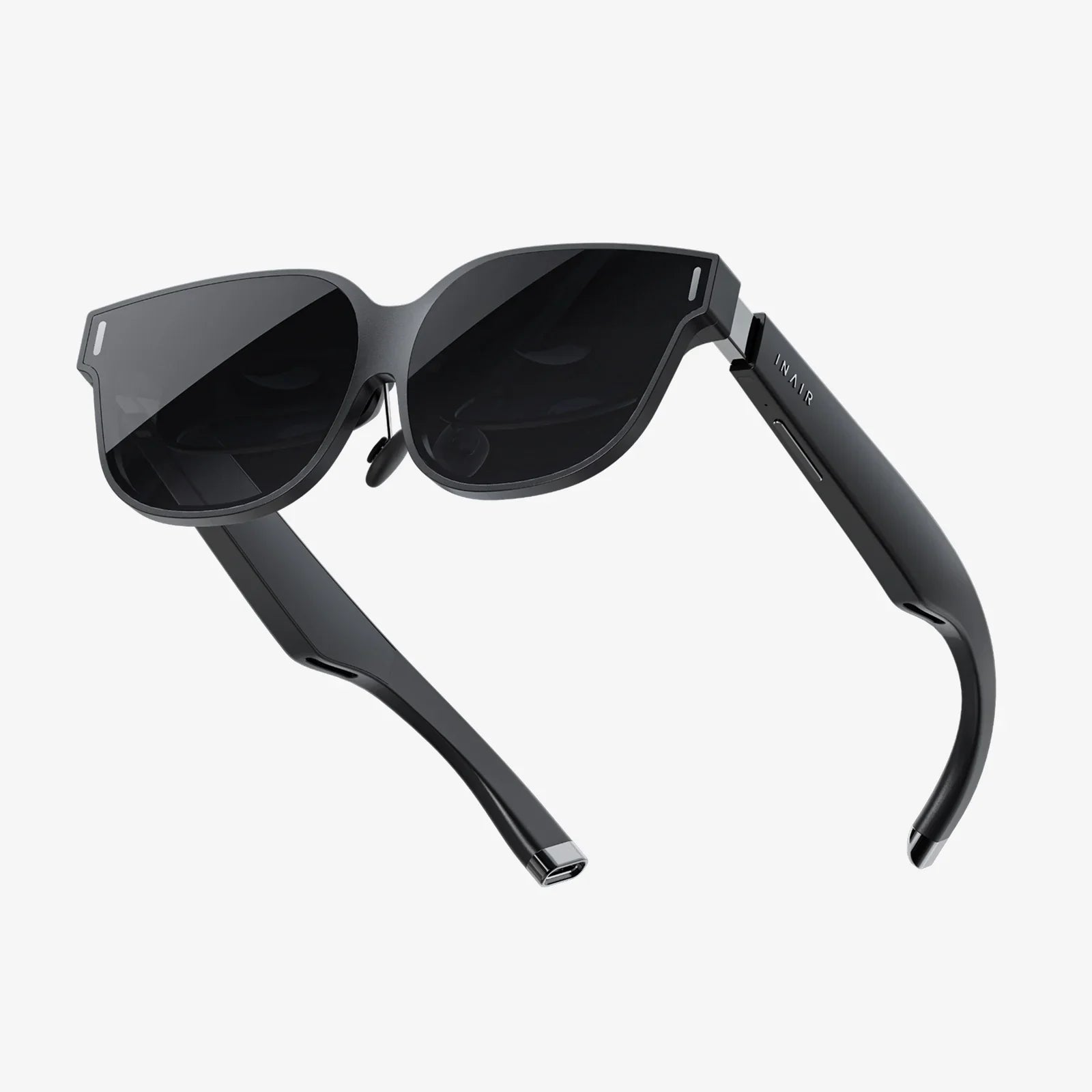
Imagine stepping into a new reality, not as an escape from our world, but as a powerful tool to heal, build, learn, and connect within it. The once-clunky headgear of a niche hobby has evolved into a sophisticated portal, unlocking human potential in ways previously confined to science fiction. The true story of Virtual Reality is no longer about what it can simulate for entertainment, but how it is fundamentally revolutionizing the most critical aspects of our lives, from the operating room to the classroom and beyond. This is the untold narrative of VR's most compelling and transformative use cases.
The Digital Operating Theater: Revolutionizing Medicine and Therapy
The application of Virtual Reality in healthcare represents one of its most profound and life-altering use cases. Here, the line between the digital and physical blurs to create tangible, positive outcomes for patients and professionals alike.
Surgical Training and Planning
Surgeons are using VR to step inside a patient's anatomy long before making a single incision. By converting MRI and CT scan data into detailed, three-dimensional models, a surgeon can practice a complex procedure repeatedly, navigating around critical structures like nerves and blood vessels with unprecedented familiarity. This digital rehearsal reduces risks, shortens actual surgery times, and dramatically improves patient outcomes. Trainee surgeons can perform dozens of virtual operations, gaining invaluable experience without any risk to a living patient, thereby accelerating their learning curve and proficiency.
Pain Management and Physical Rehabilitation
VR is proving to be a powerful non-pharmaceutical tool for pain management. For patients suffering from severe burns, immersing them in a snowy, calming virtual landscape during wound care procedures has been shown to significantly reduce their perceived pain levels. The brain's cognitive resources are so engaged by the virtual environment that it has less capacity to process pain signals. Similarly, in physical rehabilitation, exercises that are often monotonous and painful are transformed into engaging games. A patient recovering from a stroke might be tasked with virtually catching butterflies, which subtly guides them through the precise arm movements needed for recovery. This gamification increases motivation, adherence to therapy regimens, and functional outcomes.
Exposure Therapy for Phobias and PTSD
Psychologists are leveraging controlled virtual environments to treat anxiety disorders, phobias, and Post-Traumatic Stress Disorder (PTSD). A patient with a fear of flying can gradually experience the process of boarding, taxiing, and taking off in a virtual plane, all from the safety of their therapist's office. The environment can be paused or adjusted in real-time based on the patient's anxiety levels. For military veterans with PTSD, VR can be used to carefully and systematically recreate elements of a traumatic memory in a controlled therapeutic setting, allowing them to process and manage their responses under the guidance of a professional.
Building Tomorrow: Virtual Reality in Industry and Architecture
In the industrial and architectural sectors, VR is moving from a novel visualization tool to an integral part of the design, prototyping, and manufacturing process, saving immense amounts of time and capital.
Architectural Design and Real Estate
Gone are the days of relying solely on blueprints and miniature models. Architects and their clients can now don a headset and walk through a building before a single foundation is poured. They can experience the scale of a room, test sightlines from a window, and assess the flow of a space in a truly immersive way. This allows for design flaws to be identified and corrected in the virtual stage, where changes are inexpensive, rather than during costly construction. Real estate agencies are offering virtual tours of properties, enabling potential buyers from across the globe to explore homes at their convenience, revolutionizing the market, especially for off-plan purchases.
Manufacturing and Prototyping
Automotive and aerospace engineers are using VR to design and prototype new vehicles. Instead of building expensive physical prototypes for every design iteration, engineers can assemble a virtual engine, examine it from every angle, and even simulate how it will perform under stress. Factory floor layouts can be tested and optimized in VR to ensure the most efficient and ergonomic workflow, preventing costly mistakes and enhancing worker safety before any physical reorganization takes place.
Remote Collaboration and Assistance
Imagine a specialist engineer based in one country being able to “beam” into a factory on the other side of the world to assist with a complex machinery repair. With a VR headset and paired controllers, the remote expert can see what the on-site technician sees and provide guidance by drawing virtual arrows, circles, or instructions directly into the shared visual space. This use case not only saves on travel costs and time but also ensures that critical expertise is available instantly, anywhere, minimizing downtime and resolving issues with unprecedented speed.
The Immersive Classroom: Transforming Education and Training
Education is being unshackled from the pages of textbooks through VR, offering experiential learning that boosts engagement, retention, and empathy.
Historical and Cultural Exploration
Students are no longer just reading about ancient Rome; they can don a headset and stand in the Forum, hearing the echoes of the past and witnessing the scale of its architecture. They can explore the pyramids of Giza, walk on the surface of Mars based on satellite data, or dive into the human bloodstream. This visceral form of learning creates powerful emotional and cognitive connections to the subject matter, fostering a deeper understanding that is impossible to achieve through text and images alone.
Skill-Based and Safety Training
From technical schools to corporate training rooms, VR provides a safe environment to practice high-stakes skills. Aspiring welders can practice their technique without wasting materials or risking injury. Airline pilots have used simulators for decades, and VR is making this type of training more accessible and comprehensive. Employees in hazardous fields, like oil rigs or electrical utilities, can train for emergency procedures within a realistic simulation, ensuring they are prepared without ever being exposed to real danger.
Enhancing Soft Skills
VR is increasingly used for training in soft skills such as public speaking, leadership, and customer service. An individual afraid of public speaking can practice delivering a presentation to a virtual audience, which can be programmed to behave in various ways. This safe, repeatable practice environment builds confidence and competence. Similarly, managers can practice navigating difficult conversations with virtual employees, receiving feedback on their tone and approach.
The Future of Retail and Social Connection
VR is poised to redefine how we shop and how we interact with others, creating new paradigms for commerce and community.
Virtual Try-Ons and Showrooms
The fashion and home décor industries are embracing VR to solve the online shopping dilemma of uncertainty. Customers can use their avatar or a simulated body to “try on” clothes, seeing how a garment fits and moves from all angles. For furniture, shoppers can place virtual couches, tables, and art into a 3D scan of their actual living room to check for size, style, and fit before purchasing. This drastically reduces return rates and increases consumer confidence in online purchases.
Virtual Social Spaces and Events
Beyond games, VR platforms are emerging as new spaces for social interaction. Friends separated by geography can meet in a virtual world to watch a movie together, play games, or simply chat as personalized avatars, sharing a sense of presence that video calls cannot replicate. Concerts, conferences, and meetings are being held in virtual spaces, allowing for a level of engagement and interaction that flat, 2D streaming video cannot offer. This use case has the potential to redefine remote work and long-distance relationships, creating a new layer of digital togetherness.
Challenges and The Ethical Horizon
Despite its immense potential, the path forward for VR is not without obstacles. Issues of data privacy are paramount, as these devices can collect highly detailed biometric and behavioral data. The digital divide is another concern, as widespread adoption requires access to expensive hardware and high-bandwidth internet, potentially exacerbating existing inequalities. Furthermore, prolonged use raises questions about psychological effects, cyber-sickness, and the blurring of reality for some users. Addressing these challenges proactively is crucial for the ethical and sustainable integration of VR into society.
The journey through the looking glass is no longer a fantasy. Virtual Reality has firmly planted its flag in the soil of our reality, not as a gimmick, but as a generational technology with the power to mend broken minds, construct awe-inspiring buildings, and ignite a passion for learning in entirely new ways. The most exciting chapter is yet to be written, not by the technology itself, but by the innovators, doctors, teachers, and dreamers who are only just beginning to explore the boundless possibilities of these new worlds we can create.
Share:
Top Virtual Reality Headsets 2025: A Deep Dive into the Next Generation of Immersive Tech
Holographic Virtual Screen The Future of Visual Interaction is Here