


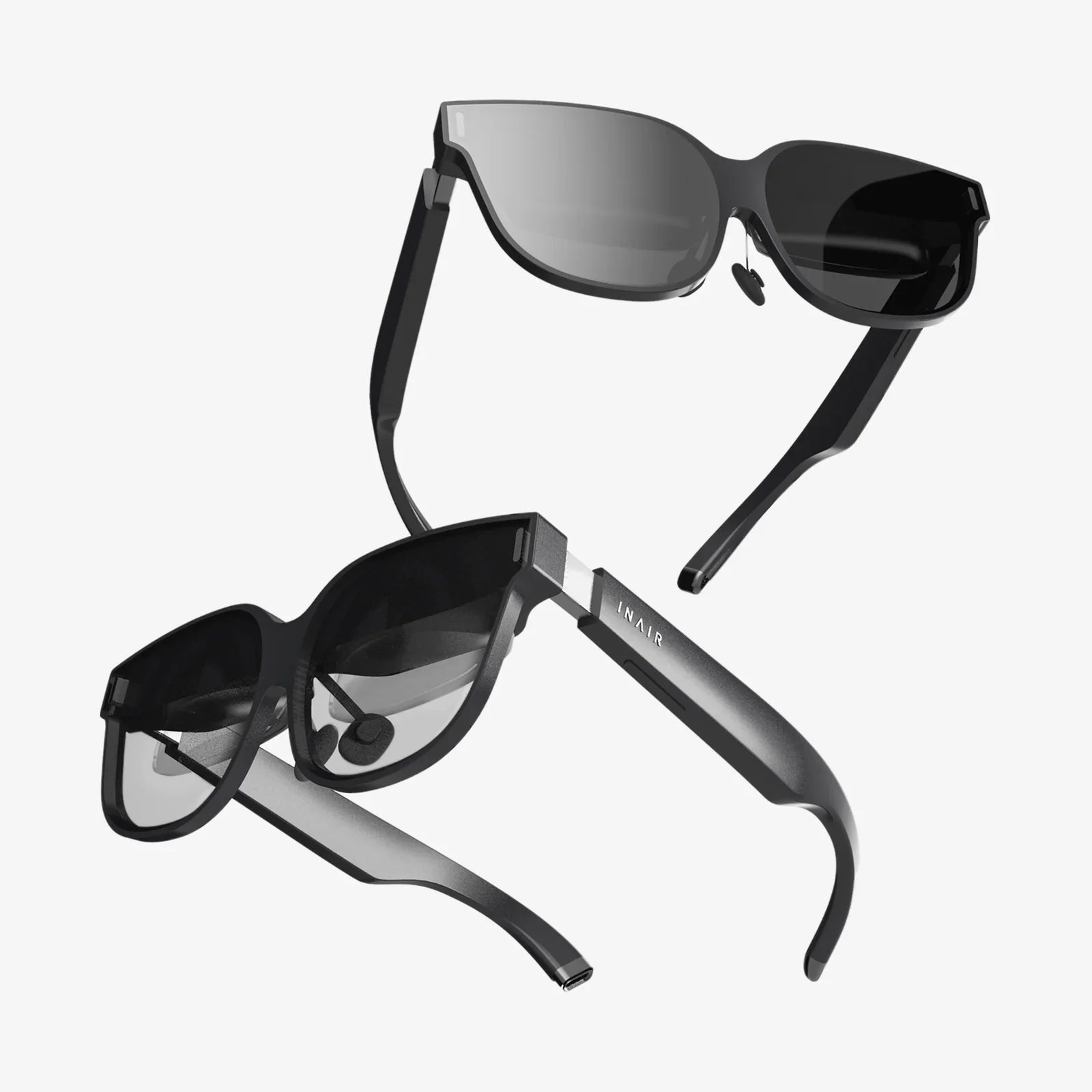
Imagine a workspace with no physical boundaries, a gaming experience that surrounds you completely, or a creative canvas as vast as your imagination. This is the promise held within a simple yet profound shift: choosing to use a VR headset instead of a monitor. For decades, the rectangular screen has been the unchallenged portal to our digital worlds. But a revolution is quietly brewing, not on our desks, but on our heads, offering an escape from the tyranny of the bezel and a leap into the very heart of our digital existence.
The Allure of Infinite Screen Real Estate
The most immediate and compelling advantage of using a VR headset is the sheer scale of virtual workspace it provides. Where a traditional multi-monitor setup might offer two, three, or even four discrete displays, a VR environment can project a seemingly endless array of screens, limited only by your willingness to turn your head.
Professionals across various fields are beginning to harness this power:
- Software Developers can have their IDE, documentation, terminal, and communication apps all visible simultaneously without ever needing to alt-tab.
- Data Analysts and Financial Traders can immerse themselves in sprawling dashboards, charts, and live data feeds, spotting trends that might be missed on a cramped monitor.
- Content Creators can place their editing timeline, source footage, preview window, and tool palettes in a cohesive, custom-built environment that fits their specific workflow.
This isn't just about having more windows open; it's about fundamentally changing the relationship between the user and their digital tools. The cognitive load of window management is drastically reduced, allowing for a deeper state of focus and flow.
A Deep Dive into the Technology Enabling the Shift
Replacing a physical monitor with a virtual one is a complex technological feat. It relies on a sophisticated stack of hardware and software working in harmony.
The Hardware: More Than Just Lenses and Screens
Modern VR headsets are marvels of engineering. Inside, you typically find two high-resolution OLED or LCD panels, often with a combined resolution that surpasses standard 4K monitors. These displays are magnified through custom aspheric lenses designed to provide a clear, sharp image across a wide field of view.
Critical to the experience is inside-out tracking. An array of cameras on the headset constantly maps the physical room and tracks the headset's position in real-time. This allows the virtual environment to remain stable as you move your head, preventing the nausea-inducing drift that plagued earlier systems. For a seamless desktop experience, this tracking must be rock-solid, as even a slight jitter would make reading text unbearable.
The Software: Building Your Virtual Office
The magic happens in the virtual environment software. These dedicated applications, often running on top of a core VR platform, are responsible for capturing your physical monitor feeds or creating virtual screens that directly interface with your computer's operating system.
They enable features like:
- Screen Pinching and Curving: You can resize virtual screens to monumental proportions or curve them around your field of vision for a more comfortable viewing experience, reducing the need to turn your head sharply.
- Environmental Customization: Work from a virtual beach, a space station, or a minimalist void. The ability to change your surroundings can significantly impact mood and productivity.
- Passthrough Augmentation: Using the headset's cameras, most modern systems offer a video feed of your real-world desk. Advanced systems can blend this with your virtual screens, allowing you to see your physical keyboard, mouse, and a cup of coffee while your digital workspace floats seamlessly above it.
Weighing the Benefits Against the Drawbacks
While the vision is compelling, the current reality is a mix of breathtaking potential and tangible limitations. A clear-eyed assessment is crucial.
The Unmatched Advantages
- Total Immersion and Focus: By blocking out visual distractions from your physical environment, a VR headset can create a state of deep work that is incredibly difficult to achieve with a traditional monitor setup. It's just you and your task.
- Portability and Flexibility: Your entire multi-monitor powerhouse setup is now contained within a headset and a powerful laptop. Your perfect ergonomic workspace can travel with you anywhere.
- Revolutionary Entertainment: For gaming and media consumption, the difference is night and day. Watching a film on a virtual IMAX screen or playing a supported game in full 360-degree immersion is an experience a flat panel simply cannot replicate.
The Current Hurdles and Challenges
- Visual Fidelity and Comfort: Despite rapid improvements, the pixel density of even the best headsets still lags behind a high-quality 4K monitor. The "screen door effect" is largely gone, but text can sometimes appear slightly soft, requiring supersampling for optimal clarity. Furthermore, the form factor and weight of the headset can cause pressure and heat buildup on the face during extended sessions.
- Ergonomics and Social Isolation: Wearing a headset for eight hours straight is not for everyone. It physically separates you from your surroundings, making it difficult to interact with colleagues in an office setting or be aware of your home environment.
- The Technical Hurdle: Setting up a smooth and reliable VR desktop experience requires a high-end computer and a degree of technical tinkering. It's not yet as plug-and-play as connecting a new monitor.
Glimpsing the Future: Where is This Technology Headed?
The trajectory of this technology points toward a future where the lines between physical and digital workspace blur into insignificance. We are moving toward headsets that are lighter, more comfortable, and boast visual fidelity that matches or exceeds high-end monitors.
The next major leap will be the widespread adoption of varifocal and light field technology. These systems will dynamically adjust the focal plane of the image to match where your eyes are looking, eliminating the vergence-accommodation conflict that can cause eye strain. This will make long-term use as comfortable as looking at a real-world object.
Furthermore, the integration of augmented reality (AR) will be transformative. Instead of completely blocked-out VR, future headsets will allow digital screens and applications to be pinned intelligently within your physical space. You could have a large browser window floating against your real wall or a data dashboard sitting neatly beside your physical desk monitor, creating a true mixed-reality workflow.
This evolution will be driven by advancements in micro-OLED displays, more powerful and efficient processors, and AI-driven interface design. The goal is not to isolate us in digital worlds, but to seamlessly weave digital information into the fabric of our physical reality, enhancing our capabilities without sacrificing our connection to the world around us.
The question is no longer if we will use headsets as primary displays, but when the technology becomes so lightweight, intuitive, and high-fidelity that the transition feels inevitable. The era of the monitor as the sole gateway to computing is ending. We are stepping through the looking glass, into a workspace without walls, a cinema without a front row, and a universe of information waiting to be shaped by our gaze. The future of computing is not on your desk; it's being built, pixel by perfect pixel, right before your eyes.
Share:
How to Display VR Headset on TV: The Ultimate Guide for Shared Immersion
How to Display VR Headset on TV: The Ultimate Guide for Shared Immersion