


- by wangfred
Uses of AR and VR: Transforming Industries and Redefining Reality
- by wangfred
Imagine a world where the digital and physical seamlessly intertwine, where you can learn complex surgery by practice on a holographic heart, or explore the ancient ruins of Rome from your living room. This is not a glimpse into a distant future; it is the rapidly evolving present, powered by the revolutionary technologies of Augmented Reality (AR) and Virtual Reality (VR). These are no longer niche gadgets for gamers but powerful tools reshaping the very fabric of industries, education, and human interaction. The journey into their vast and varied uses is a fascinating exploration of how we perceive, interact with, and ultimately improve our reality.
Before delving into their applications, it is crucial to understand the distinct nature of these two technologies. While often grouped together, they offer fundamentally different experiences.
Virtual Reality (VR) is an immersive, all-encompassing technology. By wearing a headset, users are transported into a completely computer-generated environment, effectively shutting out the physical world. This digital realm can be a simulated recreation of a real place or a entirely fantastical creation. The primary goal of VR is to create a sense of presence—the convincing feeling of being somewhere else.
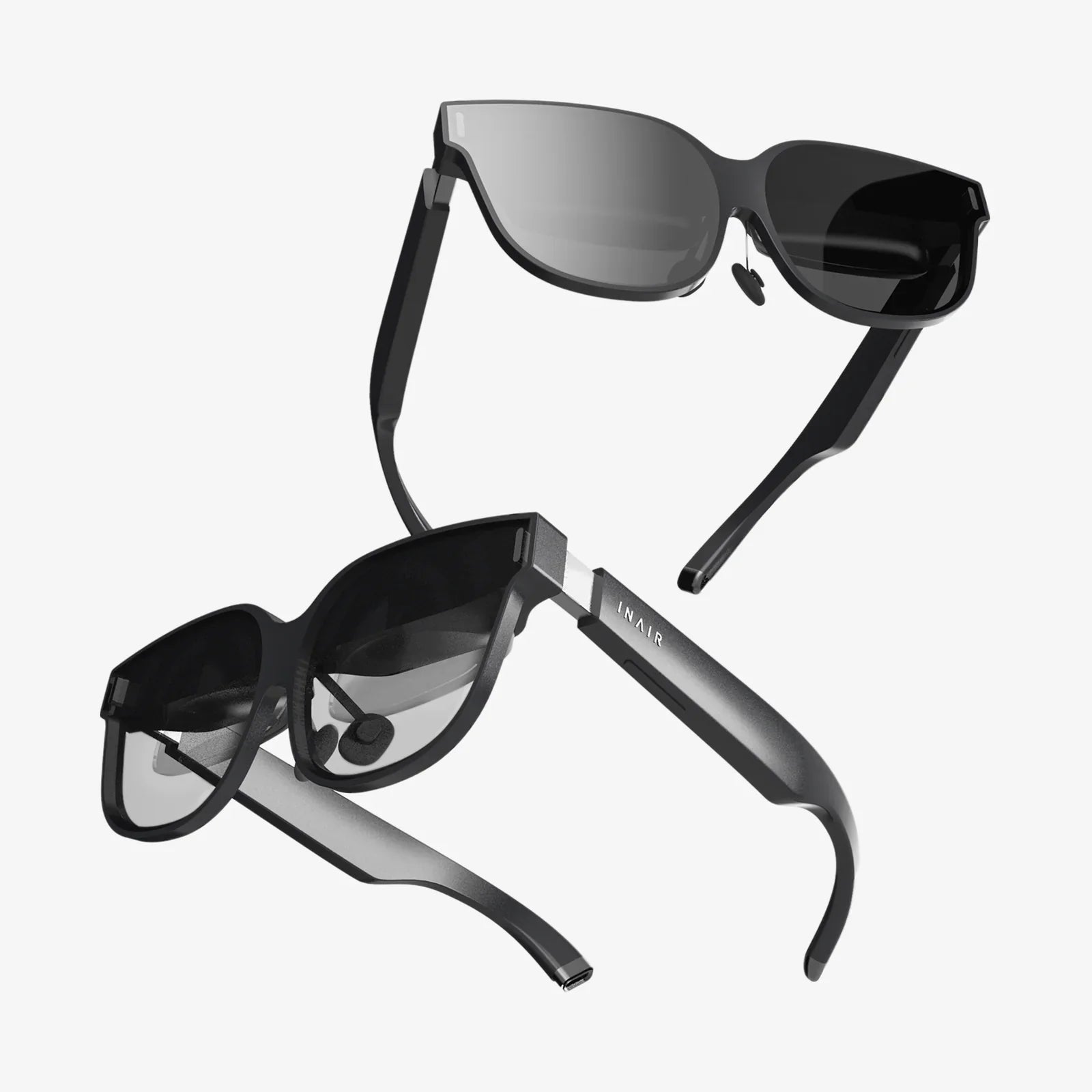
Augmented Reality (AR), on the other hand, does not replace the real world but enhances it. It overlays digital information—images, text, 3D models—onto the user's view of their physical surroundings through a device, typically a smartphone, tablet, or smart glasses. The magic of AR lies in its ability to add a layer of interactive, digital context to the existing environment, making it an incredibly practical tool for everyday tasks.
A simple way to remember the difference: VR replaces your reality, while AR adds to it. This core distinction informs their unique and powerful uses across countless sectors.
The educational and training potential of AR and VR is perhaps one of their most impactful applications, moving learning from passive observation to active participation.
VR allows students to take field trips without leaving the classroom. They can walk through the human bloodstream as a red blood cell, witness historical events like the signing of the Declaration of Independence from a first-person perspective, or travel to the surface of Mars. This experiential learning fosters deeper engagement and improves knowledge retention by creating memorable, emotional connections to the subject matter.
In fields where training is high-risk or high-cost, VR provides a perfect, safe sandbox. Aspiring surgeons can practice intricate procedures on virtual patients, allowing for mistake-free repetition. Aircraft mechanics can learn to dismantle and reassemble complex jet engines using AR overlays that highlight components and provide step-by-step instructions directly in their field of view. This reduces training time, minimizes errors, and drastically cuts costs associated with physical training equipment.
Vocational and technical training is being transformed. Automotive students can see a holographic engine model from all angles, understanding its workings interactively. Engineers can visualize and interact with 3D prototypes of machinery before a single physical part is manufactured, facilitating design and collaboration.
The healthcare industry is leveraging these technologies to improve patient outcomes, enhance medical training, and streamline complex procedures.
Surgeons are using AR to gain X-ray vision. By overlaying CT scans or MRI data onto a patient's body during surgery, they can see exactly where tumors, blood vessels, or critical structures lie beneath the surface. This precision minimizes incision sizes, reduces surgery time, and improves overall safety. VR is used for pre-operative planning, allowing surgical teams to walk through a patient-specific 3D model of an organ and practice the procedure beforehand.
VR has emerged as a powerful tool for pain distraction and management. For patients undergoing painful procedures like wound care or burn therapy, immersive VR experiences can significantly reduce their perceived pain and anxiety by engaging their brain in another reality. In physical rehabilitation, AR games can motivate patients to complete repetitive exercises by turning them into engaging challenges, tracking their progress and ensuring correct form.
Exposure therapy in a controlled VR environment is highly effective for treating phobias (fear of heights, flying, public speaking) and PTSD. Therapists can gradually expose patients to their triggers in a safe, repeatable, and customizable virtual space. Furthermore, VR meditation and relaxation apps can transport users to serene environments to combat stress and anxiety.
AR and VR are breaking down the barriers between online and in-store shopping, creating personalized and confident consumer experiences.
AR apps allow customers to see how furniture would look in their home, how a new shade of paint would change a room, or how a pair of glasses would fit their face—all through their smartphone camera. This "try before you buy" capability reduces purchase uncertainty and minimizes returns, building consumer confidence.
Brands are creating virtual stores where users can browse products in a 3D environment from anywhere in the world. Car manufacturers offer VR experiences that let potential buyers explore every feature of a vehicle, customize its color and interior, and even take it for a virtual test drive. This elevates the shopping experience from transactional to experiential.
Large retail stores can use AR wayfinding apps. A customer searching for a specific item can open the store's app, which will use AR arrows overlayed on the live camera feed to guide them directly to the correct aisle and shelf, drastically improving the efficiency of the shopping trip.
On the factory floor and in the design studio, AR and VR are driving the fourth industrial revolution, boosting efficiency and reducing errors.
Product designers and engineers use VR to collaborate in shared virtual spaces, interacting with life-size 3D models of their designs. This allows for rapid iteration and identifying design flaws long before committing to expensive physical prototypes. It enables a more intuitive understanding of scale, ergonomics, and assembly.
AR is a game-changer for complex assembly and maintenance tasks. Instead of constantly referring to paper manuals or computer screens, technicians wearing AR smart glasses can see digital instructions and diagrams superimposed directly onto the equipment they are working on. Animations can show the exact sequence of assembly, and remote experts can see what the on-site technician sees and annotate their field of view to provide guidance, reducing downtime and improving first-time fix rates.
In massive warehouses, AR can optimize the picking and packing process. Workers can wear glasses that visually highlight the fastest route to the next item and display the exact quantity to be picked, significantly speeding up order fulfillment and reducing errors.
While gaming was the initial driver, the entertainment uses of AR and VR have expanded into profound new forms of storytelling and social interaction.
VR gaming offers unparalleled immersion, placing players directly inside the game world. AR games blend gameplay with the real world, encouraging exploration and physical activity. Beyond gaming, filmmakers and artists are creating immersive 360-degree films and experiences where the viewer is not a passive observer but an active participant within the story.
VR allows users to have a front-row seat at a concert, a sporting event, or a Broadway show from across the globe. Virtual tourism enables people to visit world heritage sites, museums, and natural wonders with a level of access and immersion that simple videos cannot provide, making these experiences more accessible to all.
The concept of the metaverse—a persistent network of shared virtual spaces—is built on VR and AR technology. These platforms allow people to meet, socialize, collaborate, and play using personalized avatars, transcending geographical limitations. Business meetings can be held in virtual boardrooms, and friends can watch a movie together in a virtual cinema, creating a stronger sense of togetherness than a standard video call.
The uses of AR and VR are limited only by our imagination. As the technology becomes more affordable, comfortable, and powerful, its integration into our daily lives will only deepen. We are moving towards a future where digital information is seamlessly woven into our physical perception of the world, enhancing our abilities, enriching our experiences, and connecting us in ways previously confined to the realms of science fiction. The transformation has already begun, and it is rewriting the rules of how we work, learn, heal, and play.
From the operating room to the retail floor, the classroom to the living room, AR and VR are not just changing what we see—they are fundamentally altering what we can do. The boundary between the digital and the physical is dissolving, creating a new, hybrid reality where our environment is not just something we observe but something we can actively shape and interact with. This is more than a technological shift; it is a new lens through which we will experience the world, and its potential to drive human progress is only just beginning to be unlocked.
Share:
How to Market Augmented Reality: A Comprehensive Strategy for the Next Digital Frontier
VR Glasses Online: Your Ultimate Guide to Virtual Reality Shopping