


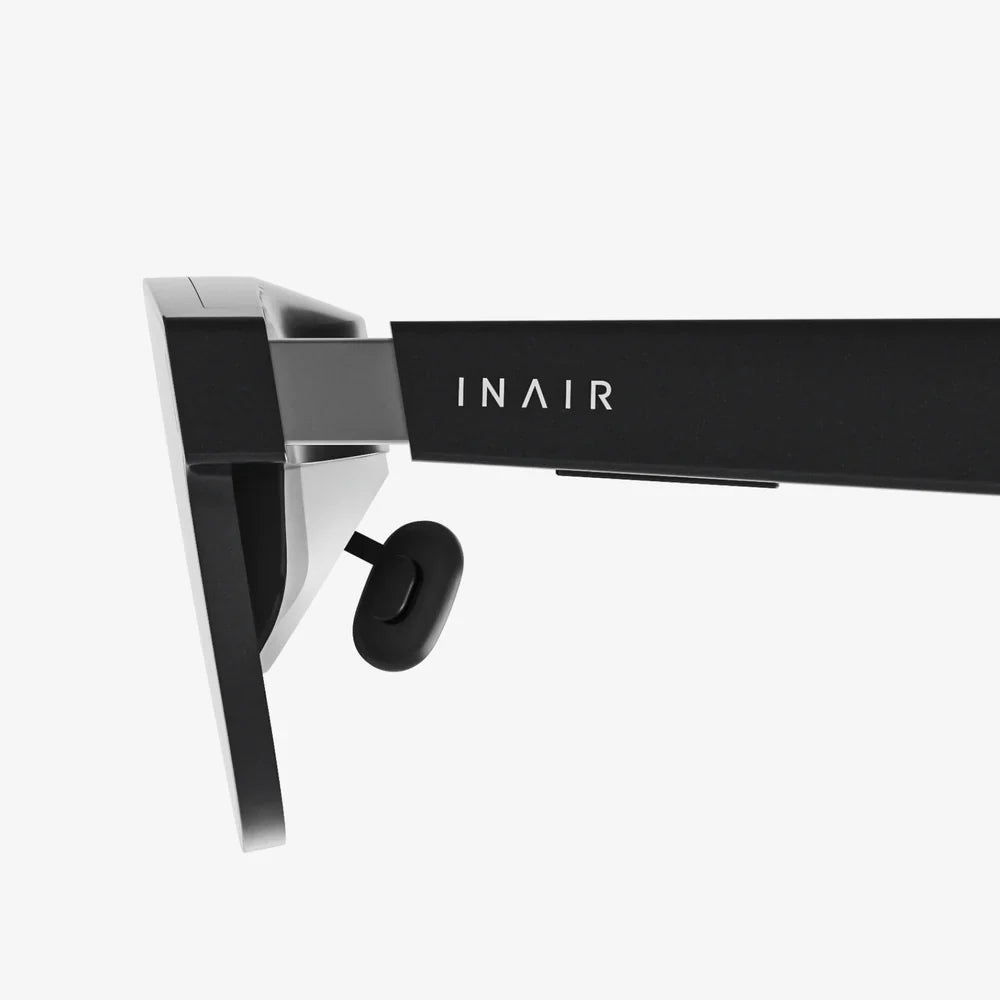
Imagine stepping inside the human heart, walking on the surface of Mars, or practicing a complex surgical procedure—all before lunch, without leaving your room. This is no longer the stuff of science fiction but the tangible, transformative power of virtual reality technology. Once a futuristic fantasy confined to novels and films, VR has burst into the mainstream, not as a novelty, but as a serious tool reshaping the very fabric of numerous industries and human experiences. Its potential stretches far beyond the initial allure of immersive entertainment, offering profound solutions to age-old challenges in education, medicine, enterprise, and beyond. The headset is becoming a portal, and we are only just beginning to explore the worlds it can unlock.
Revolutionizing Medical Training and Patient Care
The healthcare sector has emerged as one of the most promising and impactful arenas for virtual reality applications. Its ability to simulate complex, high-stakes environments without any real-world risk is revolutionizing how medical professionals are trained and how patients are treated.
For surgical training, VR provides an unparalleled platform. Trainee surgeons can rehearse intricate procedures countless times on detailed, virtual anatomies that react and bleed like real tissue. This hands-on practice builds muscle memory and surgical confidence in a zero-risk setting, significantly reducing the likelihood of errors in the actual operating room. These simulations can be tailored to specific patient scans, allowing a surgical team to walk through a bespoke procedure before a single incision is made.
Beyond surgery, VR is a powerful tool for exposure therapy and pain management. Patients suffering from phobias, such as fear of heights (acrophobia) or spiders (arachnophobia), can be gradually and safely exposed to their triggers within a controlled virtual environment. Therapists can adjust the intensity of the experience in real-time, providing a safe space for patients to build coping mechanisms. Similarly, VR has proven remarkably effective as a digital analgesic. By immersing burn victims in a soothing, engaging virtual world like a snowy landscape, the brain's attention is diverted from processing pain signals, reducing the perceived pain levels during wound care and physical therapy.
Furthermore, VR is enhancing medical education by allowing students to explore detailed, interactive 3D models of human anatomy. Instead of relying on static textbook images or cadaver dissection, they can 'travel' through the bloodstream, examine organs from every angle, and witness physiological processes in motion, leading to a deeper, more intuitive understanding of the human body.
Transforming Education and Complex Skill Acquisition
The traditional model of education, often criticized for its one-size-fits-all approach, is being fundamentally challenged by virtual reality. VR creates experiential learning opportunities that are otherwise impossible, expensive, or dangerous to replicate in a classroom.
History lessons are transformed from memorizing dates into visceral experiences. Students can don a headset and find themselves walking through ancient Rome, standing on the battlefield of Gettysburg, or listening to Martin Luther King Jr. deliver his "I Have a Dream" speech. This emotional and sensory engagement fosters a deeper connection to the material, improving retention and sparking a genuine passion for learning.
In STEM fields, the applications are boundless. Biology students can manipulate DNA strands or observe cellular mitosis from within. Astronomy classes can embark on guided tours of the solar system. Chemistry students can conduct volatile experiments without the risk of injury or the cost of materials. This hands-on, interactive approach demystifies complex abstract concepts.
Vocational and technical training also sees immense benefits. Aspiring mechanics can practice on virtual engines, welders can hone their technique without wasting materials, and aspiring pilots have used flight simulators for decades—a precursor to modern VR. This type of training is scalable, consistent, and provides immediate performance feedback, accelerating the journey from novice to expert.
Redefining Enterprise and Remote Collaboration
The corporate world is rapidly adopting virtual reality to solve pressing challenges related to training, collaboration, and design. The shift to remote work has accelerated the need for more immersive meeting spaces than those offered by traditional video conferencing.
Virtual meeting rooms allow distributed teams to collaborate as if they are in the same physical space. Instead of a grid of faces on a screen, colleagues are represented by lifelike avatars in a shared virtual office, conference room, or even on a virtual beach. They can interact with 3D models, share and manipulate virtual whiteboards, and experience a stronger sense of presence and connection than flat screens can provide. This fosters more natural communication and brainstorming sessions.
Employee training, especially for high-risk jobs, is another major enterprise use. Utility workers can practice dealing with electrical hazards, factory employees can learn safety protocols on a virtual production line, and public speakers can practice presentations in front of a virtual audience. This training is not only safer but also more cost-effective, eliminating the need for physical training facilities and equipment.
In architecture, engineering, and construction, VR is indispensable. Architects and clients can take fully immersive walkthroughs of unbuilt designs, experiencing the scale, spatial relationships, and lighting of a building long before the foundation is poured. This allows for design flaws to be identified and corrected in the planning stage, saving enormous amounts of time and money. Engineers can use VR to prototype and test products, from new car interiors to consumer appliances, iterating designs rapidly in a digital space.
Enhancing Entertainment and Storytelling
While the uses of virtual reality extend deep into practical fields, its roots in entertainment remain a powerful driver of adoption and innovation. VR is creating entirely new art forms and narrative experiences.
In gaming, VR is the ultimate embodiment of the medium's promise of immersion. Players are no longer controlling a character on a screen; they are the character. They physically duck behind cover, reach out to grab objects, and look around environments with natural head movements. This level of immersion creates intense emotional responses and a profound sense of presence within the game world.
The film industry is exploring nonlinear, interactive storytelling. Instead of passively watching a story unfold on a rectangle, viewers can be placed at the center of the narrative, able to look around and explore the scene. Documentary filmmakers can transport audiences to the front lines of a conflict, the depths of the ocean, or a refugee camp, building empathy and understanding through direct virtual experience. Live events, such as concerts and sports games, are beginning to be broadcast in VR, offering the best seat in the house to anyone, anywhere in the world.
Driving Retail, Tourism, and Empathetic Experiences
VR is also changing how we shop, travel, and connect with human experiences across the globe.
In retail, virtual showrooms allow customers to visualize products in their own space. You can see how a new sofa would look in your living room, try on a dozen outfits without entering a changing room, or customize a car and take it for a virtual test drive. This reduces purchase uncertainty and can significantly lower return rates.
The tourism industry uses VR for both marketing and preservation. Potential travelers can take preview tours of hotel rooms, cruise ships, and destinations, helping them make more informed vacation choices. More importantly, VR can provide access to fragile or inaccessible sites. Anyone can now 'visit' the caves of Lascaux without damaging the ancient art or explore the pyramids of Giza from their home. Museums are creating virtual exhibitions, making culture and history accessible to a global audience.
Perhaps one of the most profound uses of virtual reality technology is its ability to foster empathy. Projects have been created that allow users to experience a day in the life of someone with a disability, such as autism or macular degeneration. Others place you in the shoes of a news reporter in a war zone or a child in a Syrian refugee camp. By virtually walking in another's shoes, these experiences can break down barriers and build a deeper, more visceral understanding of the human condition, potentially driving social change.
The Future is Immersive
As the technology continues to advance—with improvements in display resolution, haptic feedback, and mobility—the uses of virtual reality will only expand and become more sophisticated. The line between the physical and digital worlds will continue to blur, creating a hybrid reality where virtual tools enhance our everyday lives. The potential for positive change is staggering, offering new ways to heal, teach, learn, create, and connect. The journey into the virtual frontier is just beginning, and it promises to reshape our world in ways we are only starting to imagine.
The portal to these new realities is waiting. The question is no longer if virtual reality will become an integral part of our professional and personal lives, but how quickly we will adapt to harness its full, extraordinary potential for innovation, connection, and human advancement. The next chapter of discovery is not in a textbook or a lecture hall; it's being written in immersive, interactive dimensions, and it invites us all to step inside and participate.
Share:
How Do You Use Spatial Audio - The Ultimate Immersive Sound Guide
How Companies Use Virtual Reality: The Strategic Shift from Novelty to Necessity