


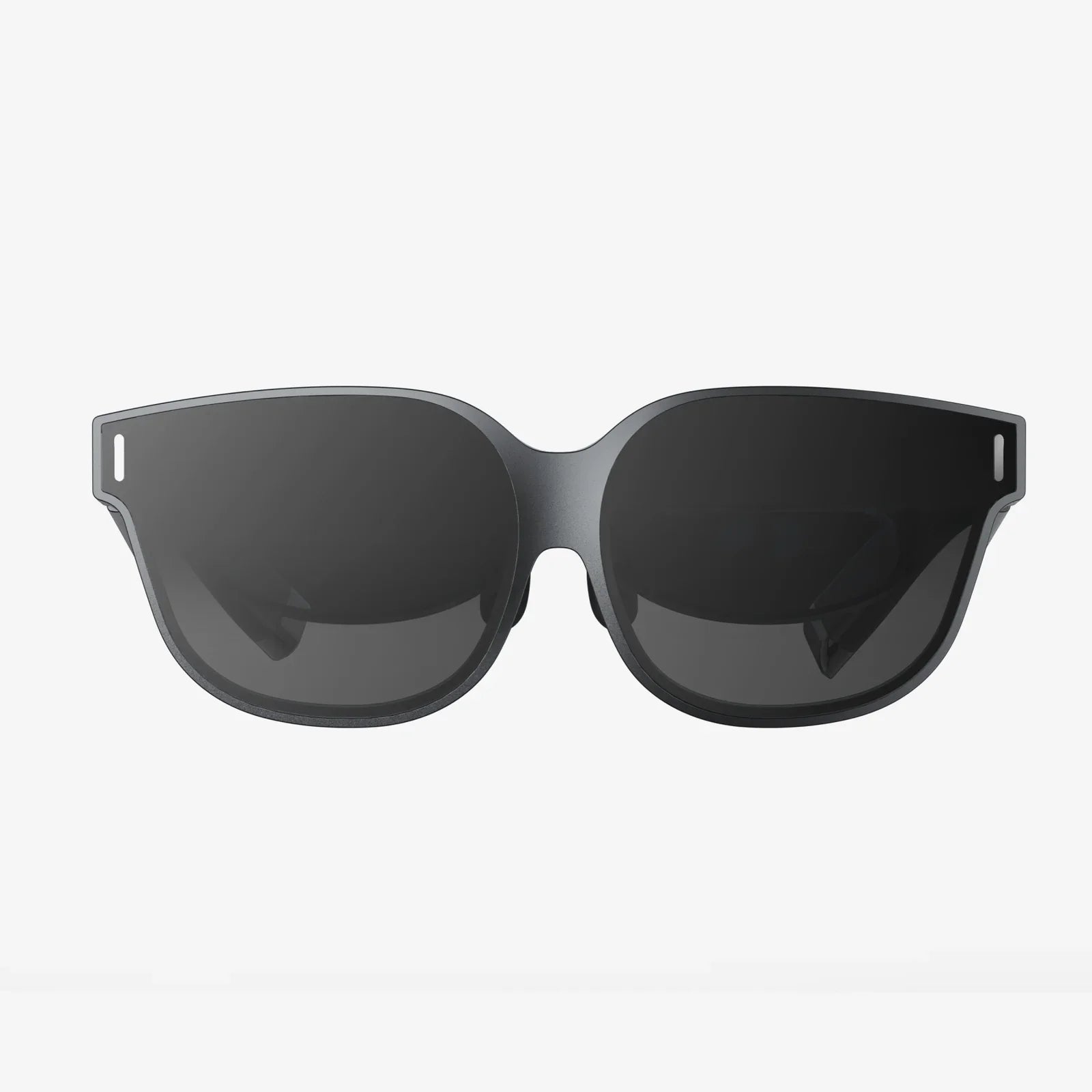
You’ve seen the headlines, watched the viral videos, and maybe even strapped on a headset yourself for a dizzying trip to another world. But beyond the initial "wow" factor and the futuristic allure, a more pressing, pragmatic question emerges for consumers, developers, and businesses alike: does Virtual Reality truly offer value, or is it an expensive solution in search of a problem? The conversation is shifting from pure technological capability to a measured assessment of worth—Value VR. This isn't just about the price tag on a box; it's a complex equation weighing cost against utility, immersion against accessibility, and potential against practical application. The journey to uncover the real value of VR is a deep dive into its transformative impact on how we work, learn, heal, and connect.
Deconstructing the Value Proposition: More Than Just Pixels and Polygons
To understand the value of VR, we must first move beyond a monolithic definition. Value is not a single metric but a spectrum of benefits that vary dramatically depending on the user and the use case. For a enterprise, value might be measured in reduced training accidents and saved costs. For a patient undergoing physical therapy, value is measured in regained mobility and reduced pain. For a student, it's the profound understanding of a complex subject. This multifaceted nature is key to evaluating VR's true worth.
The core of VR's value lies in its unique ability to facilitate presence—the undeniable, psychological sensation of being in a place other than your physical location. This is not the same as watching a high-definition video; it is an embodied experience. This sense of presence is the engine that drives all of VR's most powerful applications. It triggers emotional responses, enhances memory retention through experiential learning, and allows for the practice of skills in a safe, controlled, yet realistic environment. The value is inherent in this fidelity of experience, which other mediums simply cannot replicate.
The Corporate Calculus: VR's ROI in Enterprise and Training
Perhaps the most straightforward and demonstrable value of VR currently exists within the enterprise sector. Here, the return on investment (ROI) can be quantified with relative clarity. Companies are deploying VR for a range of critical functions:
- Immersive Training and Simulation: From training surgeons on complex procedures to preparing astronauts for spacewalks, VR creates risk-free rehearsal spaces. The value is immense: eliminating the cost of physical prototypes, preventing costly mistakes on real equipment, and saving lives by allowing for perfect practice in high-stakes fields. The value proposition here isn't just financial; it's ethical and practical, leading to a more highly skilled and prepared workforce.
- Design and Prototyping: Engineering and architecture firms use VR to step inside their creations long before ground is broken or a physical model is built. This allows for unparalleled spatial understanding, early detection of design flaws, and collaborative reviews with stakeholders across the globe. The value is measured in reduced development cycles, lower material costs, and a superior final product.
- Remote Collaboration and Telepresence: The concept of the metaverse for business is gaining traction. Instead of a flat video call, teams can meet in a shared virtual boardroom, interact with 3D data models, or train together on a virtual piece of machinery. The value lies in overcoming geographical barriers, enhancing the quality of collaboration, and creating a more engaging and productive remote work environment.
In these scenarios, the hardware cost is weighed against tangible savings and efficiency gains, often paying for itself remarkably quickly.
The Educational Evolution: Value in Experience and Empathy
In education, the value of VR is less about direct financial ROI and more about the profound enhancement of learning outcomes. Textbooks and lectures transmit information; VR transmits experience.
- Experiential Learning: Imagine a history class not reading about ancient Rome, but walking through its bustling forums. A biology student not looking at a diagram of a cell, but traveling through its organelles. This level of immersion leads to significantly higher levels of engagement and knowledge retention. The value is a deeper, more intuitive understanding of complex subjects.
- Empathy and Perspective-Taking: VR's unique power is its ability to place you in someone else's shoes. Applications that simulate the experience of a refugee, a person with a disability, or someone experiencing a mental health crisis foster profound empathy and understanding in ways that documentaries or books struggle to achieve. The value here is social and emotional, contributing to a more compassionate society.
- Skill Acquisition: Vocational training benefits immensely from VR. Welding, plumbing, electrical work—all can be practiced virtually, saving educational institutions on material costs and providing students with unlimited, safe practice time. The value is a better-prepared tradesperson entering the workforce with more confidence and skill.
The challenge in education has traditionally been cost and accessibility, but as prices fall and solutions become more scalable, the value argument becomes increasingly compelling for forward-thinking schools and universities.
Healthcare and Therapeutics: The Priceless Value of Well-being
In healthcare, VR transitions from a useful tool to a potentially life-changing technology. Its value is often measured not in currency, but in quality of life.
- Pain Management and Distraction Therapy: Burn victims undergoing painful wound care are immersed in calming, icy virtual landscapes. The cognitive distraction provided by VR has been shown to significantly reduce perceived pain levels, lowering reliance on pharmacological painkillers. The value is direct patient relief and improved recovery.
- Physical Rehabilitation: Repetitive physical therapy exercises can be demoralizing. VR gamifies this process, turning recovery into an engaging adventure. Patients are motivated to complete their regimens, leading to better adherence and faster recovery times. The value is a more effective and human-centered approach to healing.
- Mental Health Treatment: Exposure therapy for phobias (fear of heights, flying, public speaking) is dramatically enhanced in VR. Therapists can gradually and carefully expose patients to their triggers in a completely controlled environment. Similarly, VR is being used to treat PTSD, anxiety, and depression through guided meditation and controlled scenarios. The value is a powerful new tool in the therapist's arsenal, offering safe and effective treatment modalities.
- Medical Training and Surgical Planning: As in enterprise training, medical students can practice complex surgeries ad infinitum. Surgeons can also use patient-specific VR models to plan and rehearse a complicated operation beforehand, leading to better outcomes and reduced time in the operating room. The value is, quite simply, better patient care.
The Consumer Conundrum: Entertainment, Social, and the Quest for Must-Have Content
For the average consumer, the value proposition of VR is the most debated. The initial cost of entry is higher than for other entertainment mediums, and the library of "killer apps"—experiences so compelling they justify the purchase—is still growing.
- Gaming and Immersive Entertainment: This is the most obvious draw. VR gaming offers an unparalleled level of immersion, transforming players from spectators into active participants within the game world. The value for a dedicated gamer is the ultimate form of escapism and interactive entertainment. Beyond gaming, VR concerts, theater experiences, and travel simulations offer new forms of leisure and exploration.
- Social Connection and the Metaverse: The promise of VR as a social platform is vast. The idea of not just chatting with friends but sharing a virtual space with them, watching movies together on a virtual big screen, or playing games in a shared environment holds immense potential. The value is a richer, more human form of digital connection, especially for those separated by distance.
- Fitness: VR fitness apps have exploded in popularity, turning workouts into fun, immersive games. The value proposition is strong: a treadmill or a set of weights offers one type of utility, but a VR headset can be a gateway to boxing, rhythm games, and other engaging physical activities, making exercise more enjoyable and consistent.
The barrier remains the hardware's convenience and the need for consistently high-quality content. However, as the technology becomes more comfortable, wireless, and affordable, and as developers create more must-have experiences, the consumer value argument strengthens with each passing year.
Weighing the Costs: The Other Side of the Value Equation
An honest assessment of Value VR must also acknowledge the real and perceived costs that currently limit its adoption.
- Financial Cost: High-quality VR requires a significant investment, both for the headset and, in some cases, the powerful computer needed to run it. This is the most immediate barrier for many consumers and smaller institutions.
- Technical and Physical Friction: Setup can be complex. Issues like motion sickness, while improving, still affect a portion of the population. The headsets can be bulky and isolating, creating a barrier to casual use and social interaction in the physical world.
- Content Gap: While growing rapidly, the library of deep, long-form experiences still lags behind traditional gaming and media platforms. The value is directly tied to the quality and quantity of available software.
- Privacy and Ethical Considerations: VR headsets can collect incredibly intimate data: eye-tracking, body movement, voice recordings, and even biometric responses. This raises serious questions about data ownership, privacy, and how this information could be used for manipulation or advertising.
For VR to achieve universal value, these challenges must be addressed through technological innovation, thoughtful design, and robust ethical frameworks.
The Future Value: Where Do We Go From Here?
The trajectory of VR points towards increasing value. Technological advancements are relentlessly pushing towards higher resolution, wider fields of view, smaller form factors, and more intuitive controls. The eventual goal is a device that resembles everyday eyewear, eliminating the friction of current hardware.
As this happens, the lines between the physical and digital worlds will continue to blur. The value will shift from isolated experiences to persistent, interconnected virtual spaces that augment our daily lives. We will use VR for work, then seamlessly switch to a social space, then to a learning environment, all within the same digital continuum. The value proposition will then become not about the headset itself, but about the indispensable utility of the platform it provides access to—a fundamental shift in how we interact with information and each other.
The true value of VR is not static; it is a narrative still being written. It is a story of potential slowly but surely transforming into practice, of spectacle maturing into substance. It is moving from a novelty to a utility, from a gaming peripheral to a profound tool for human progress. The question is no longer if VR has value, but rather how much value it will unlock and for whom. The journey to answer that is the most exciting part, inviting us all to look beyond the horizon of the present and into the immense possibilities of a virtually enhanced future.
Determining the final verdict on Value VR is like judging the internet in its dial-up days—the true potential is only just beginning to reveal itself, promising a revolution not just in how we play, but in how we perceive reality itself.
Share:
Headset Comparison: The Ultimate Guide to Choosing Your Perfect Audio Companion
Wearables Artificial Intelligence: The Silent Revolution on Your Wrist