


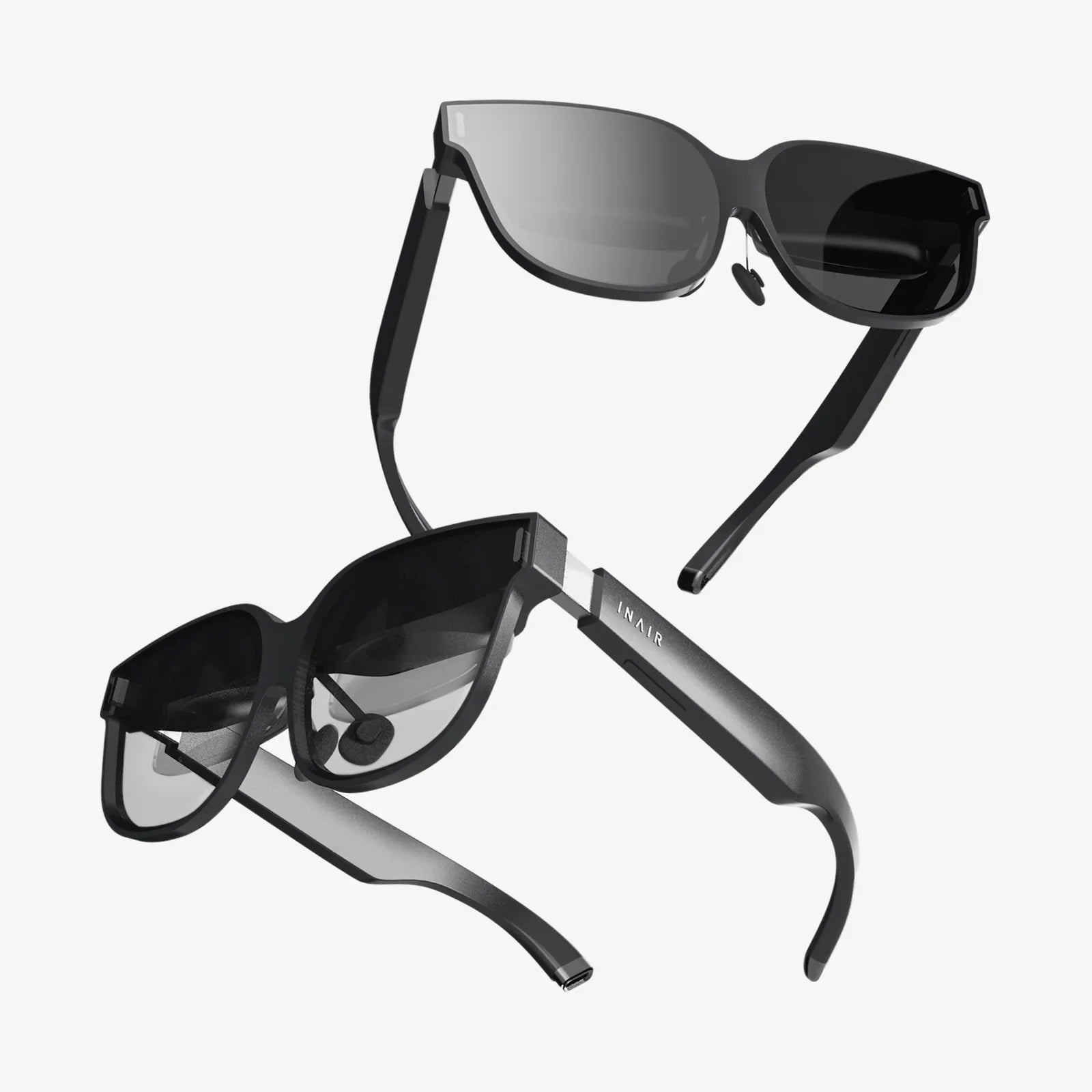
Imagine sitting on a crowded commuter train, a bustling airport terminal, or your own living room, and with a simple gesture, you summon a pristine, crystal-clear 100-inch screen that only you can see. This is no longer the stuff of science fiction; it’s the reality offered by video glasses for Android. This transformative wearable technology is redefining personal entertainment and productivity, offering a portal to immersive experiences that fits right in your pocket, paired seamlessly with the device you already own. The era of the personal, portable cinema is here, and it’s more accessible and awe-inspiring than ever before.
The Anatomy of Modern Video Glasses
At first glance, video glasses might resemble a pair of sleek, slightly oversized sunglasses. But within their lightweight frames lies a sophisticated optical system engineered to project a larger-than-life image directly onto your retinas. Understanding how this magic happens is key to appreciating the technology.
The core components are miniature, high-resolution micro-displays, typically based on advanced technologies like OLED or Micro-OLED. These tiny screens are the source of the image. Positioned directly in front of these micro-displays are precision optical lenses, often employing prism or waveguide technology. These lenses are the true marvels; they magnify the tiny image, focus it perfectly for your eyes, and project it outward, creating the perception of a massive screen floating in space several feet in front of you. The result is a stunning, private viewing experience with a virtual screen size often measured in the equivalent of dozens or even hundreds of inches.
Unlike a traditional head-mounted display that fully encloses the user in a virtual reality environment, many video glasses are designed with a semi-transparent or "see-through" capability. This allows you to remain aware of your physical surroundings—you can glance down at your phone, take a sip of coffee, or see someone approaching—without interrupting the video display. This blend of digital immersion and real-world awareness is a critical feature for versatile, all-day use.
Why Android is the Perfect Partner
The open and versatile nature of the Android operating system makes it the ideal companion for video glasses. This synergy is built on several foundational pillars.
First and foremost is connectivity. The vast majority of video glasses for Android utilize a single USB-C cable for both power and data transmission. This universal standard, known as USB-C Alt Mode, allows for a direct, low-latency digital connection to a modern Android smartphone or tablet. This bypasses compression and lag associated with wireless solutions, ensuring a buttery-smooth, high-fidelity video and audio experience. It’s a simple plug-and-play setup: connect the cable, and your Android device instantly recognizes the glasses as an external display.
Secondly, the Android ecosystem is a treasure trove of content and applications. From streaming giants offering 4K HDR movies and shows to game streaming services that turn your phone into a portable console, the content is limitless. Video glasses unlock this library, transforming it into a personal theater. Furthermore, the ability to sideload applications and customize the experience is a hallmark of Android, allowing users to tailor their setup for specific needs, be it for work or play.
Finally, the processing power of modern Android devices is more than sufficient to drive high-resolution video content to the glasses. The smartphone effectively becomes the brain of the operation, handling all the computation, while the glasses serve as a sophisticated viewing window. This symbiosis means that as your Android phone gets more powerful with each upgrade, so too does the capability of your video glasses.
A Universe of Content in Your Pocket
The most immediate and compelling use case for video glasses is, undoubtedly, media consumption. They elevate every form of digital entertainment to a new level.
- The Ultimate Mobile Cinema: Whether you’re traveling, relaxing in bed, or want to watch a movie without disturbing a partner, video glasses provide a truly cinematic experience. With support for high dynamic range (HDR) and wide color gamuts on premium models, the visual quality can be breathtaking, rivaling traditional high-end televisions.
- Gaming Without Borders: For mobile gamers, video glasses offer an immersive experience that a phone screen simply cannot match. The expansive virtual screen pulls you into the action. Furthermore, with cloud gaming services, you can stream AAA title games from the cloud directly to your glasses, effectively giving you a large-screen console experience anywhere you have a strong internet connection.
- Live Sports and Events: Imagine watching the big game on a massive, private screen no matter where you are. Video glasses make this possible, turning any location into your personal sports bar without the distractions.
- A Private Theater for Video Calls: While the camera functionality is still emerging, some models allow for video conferencing where your content or presentation is displayed on the private screen while you maintain eye contact via a forward-facing camera.
Beyond Entertainment: A Tool for Productivity
While entertainment is a primary driver, the potential for productivity is immense and often overlooked. Video glasses can function as a portable, multi-monitor workstation, unlocking new ways to work remotely.
By leveraging your Android device’s desktop mode or using specific applications, you can project a full computing environment into the glasses. This allows you to have multiple browser windows, documents, and communication apps open simultaneously within your field of view. It’s the dream of a multi-screen setup contained within a single, lightweight wearable. This is a game-changer for digital nomads, programmers, writers, and anyone who needs to maximize their productivity while on the move. You can set up a functional office at a coffee shop, library, or airport lounge without carrying anything more than your phone, glasses, and a compact Bluetooth keyboard.
The ability to focus deeply without the distractions of your environment is a significant cognitive benefit. By overlaying your work onto a calm, consistent virtual background, video glasses can help you enter a state of flow, minimizing visual clutter and interruptions from the world around you.
Key Considerations Before You Dive In
As with any emerging technology, there are important factors to weigh before making a purchase. Being an informed consumer will ensure your experience meets your expectations.
- Visual Clarity and Field of View (FOV): This is paramount. Look for a high per-eye resolution (e.g., 1920x1080p or higher) to ensure text is sharp and pixels are invisible. The Field of View determines how large the virtual screen feels; a wider FOV creates a more immersive, theater-like experience.
- Compatibility: While most modern Android phones support USB-C video output, it is crucial to double-check your specific model’s capabilities. Some older or budget devices may not support this feature.
- Form Factor and Comfort: These are wearable devices, so comfort over extended periods is essential. Consider weight, how they balance on your nose and ears, and whether they can be worn over prescription glasses if needed. The best designs are lightweight and forget-you’re-wearing-them comfortable.
- Audio Solutions: Some models feature built-in speakers directed at your ears, while others rely on a Bluetooth connection to headphones or offer a 3.5mm audio jack. Consider your preference for privacy versus situational awareness.
- Battery Life: Understand that the glasses themselves are typically powered by your phone via the USB-C connection. Your primary consideration is your Android device’s battery life, as driving an external display is power-intensive. Having a power bank handy for long sessions is a wise strategy.
The Future is Wearable
The technology behind video glasses is advancing at a remarkable pace. We are rapidly moving towards even lighter, more stylish designs that are indistinguishable from regular eyewear. Resolution and optical clarity will continue to improve, pushing ever closer to retinal quality. We can expect deeper integration with the Android ecosystem, potentially with native features within the operating system designed specifically for this glasses-first interface. The line between a dedicated display and a augmented reality (AR) viewer will also blur, introducing contextual information overlays and interactive digital elements into our real-world view.
This evolution points toward a future where carrying a physical screen is obsolete. Your computing interface will be dynamically projected into the world around you, accessible only to you, on demand. Video glasses for Android are the first significant and consumer-friendly step into this always-available, spatially-aware computing paradigm.
Forget squinting at a tiny screen on a sunny day or trying to find the perfect viewing angle in a crowded space. The next time you reach for your Android phone to watch a movie, play a game, or even get some work done, the most powerful screen you’ll use won’t be in your hand—it will be projected right before your eyes, offering a breathtaking, personal, and limitless window into your digital world. The revolution isn't just streaming; it's beaming directly to your retina, and it’s an experience that has to be seen to be believed.
Share:
Top Augmented Reality Smart Glasses 2025: The Dawn of a Seamless Digital Layer
Smart Face Glasses Can Take Play: The Next Frontier in Personal Technology