


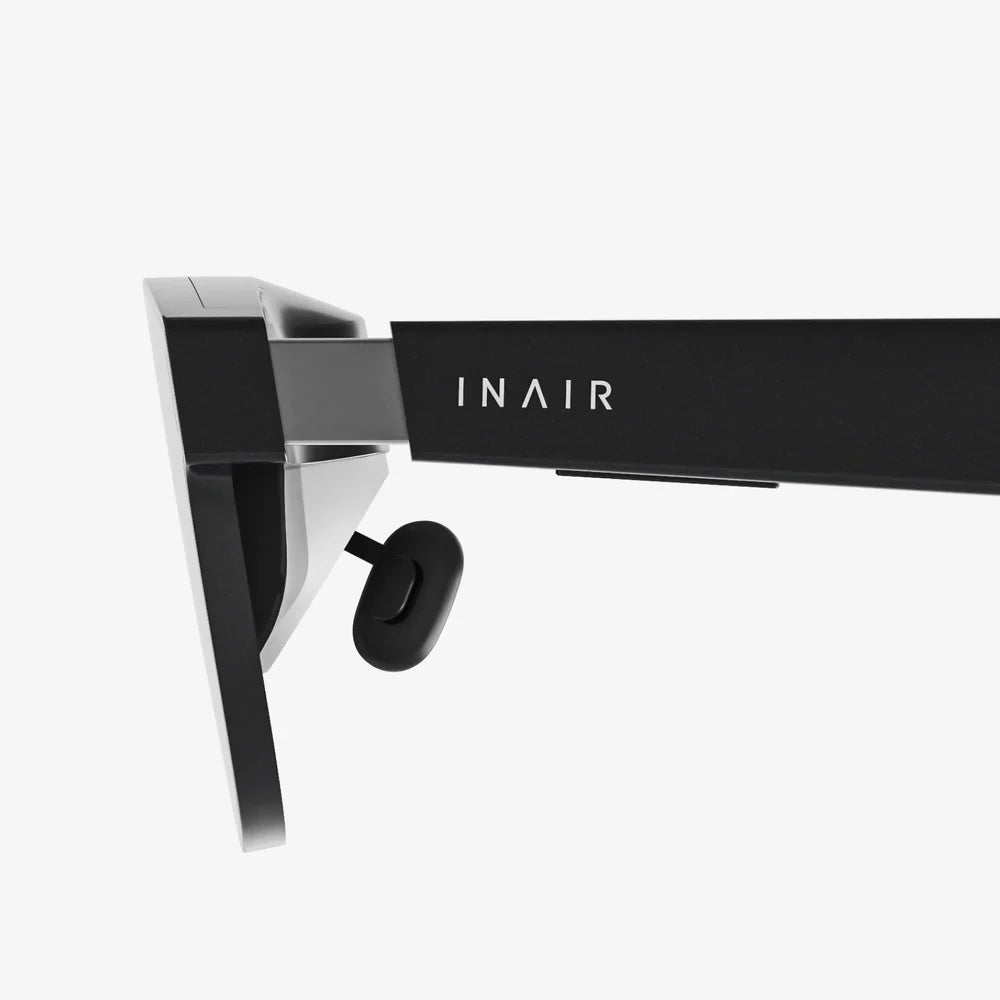
Imagine slipping on a pair of sleek, unassuming glasses and instantly having a crystal-clear, massive screen float in your field of vision, a private cinema available anywhere, anytime. This is the promise of video glasses, a technology rapidly moving from science fiction to mainstream reality. But for many intrigued consumers, the first and most pressing question is a simple one: what will it cost? The answer, as it turns out, is not so simple. The video glasses price spectrum is vast and varied, a reflection of the dramatically different technologies, capabilities, and target audiences these devices serve. Understanding this landscape is key to making an informed purchase, ensuring you invest not just in a product, but in an experience that truly matches your expectations and budget.
Deconstructing the Cost: What You're Really Paying For
To comprehend the wide range of video glasses price points, one must first look under the hood. These are not simple displays; they are sophisticated optical computers worn on your face. The cost is driven by an intricate combination of advanced components and intensive research and development.
The Optical Heart: Microdisplays and Lenses
The core of any video glasses system is its optical engine. This typically involves incredibly small, high-resolution micro-displays, often based on OLED or MicroLED technology, which must be exceptionally bright and efficient. These displays project images onto specially engineered lenses. These are not mere pieces of glass; they are complex waveguides or combiners that use diffraction or refraction to bend light and paint the virtual image onto your retina. The precision required in manufacturing these nano-structured optical elements is immense, contributing significantly to the overall video glasses price. Higher-end models boast wider fields of view, better color accuracy, and higher pixel density—all features that require more advanced and expensive optics.
The Processing Brain and Sensors
Modern video glasses are packed with processing power. They need a dedicated chipset to decode high-bitrate video streams, often in 4K or higher resolutions, without lag or stutter. Furthermore, many models incorporate an array of sensors, including accelerometers, gyroscopes, and sometimes even eye-tracking cameras. These sensors enable features like screen stabilization, intuitive control via head gestures, and dynamic focus adjustment. This miniaturized computing power, crammed into the slim arms of the glasses, is a major factor in the final cost.
Design, Materials, and Research
There is a immense design challenge in balancing performance with comfort and aesthetics. Consumers do not want to wear bulky, obtrusive helmets in public. Engineering a device that is light, comfortable for extended wear, dissipates heat effectively, and still looks stylish requires expensive materials like magnesium alloys, carbon fiber, and high-grade polymers. Beyond the physical product, the years of R&D that go into developing these complex systems are factored into the video glasses price, especially for first-generation products from pioneering companies.
Navigating the Market Tiers: From Budget-Friendly to Cutting-Edge
The market for video glasses has matured into several distinct tiers, each with its own price range and value proposition.
The Entry-Level Arena (Approximately $100 - $300)
At this video glasses price point, you enter the realm of smartphone-dependent viewers. These devices are essentially sophisticated optics housed in a glasses-like frame. They lack their own processing power and instead rely on a connected smartphone to serve as the media source and brain. The experience is often compared to having a portable, personal movie screen. Expectations must be managed regarding field of view and absolute image quality, but for media consumption on the go, they offer a compelling and accessible entry point into the world of personal viewing.
The Mid-Range Performers (Approximately $300 - $800)
This tier represents a significant step up in capability and, consequently, video glasses price. Here, you begin to find standalone devices or those that offer a hybrid approach. They may have built-in media players, onboard storage, and higher-resolution displays with superior optics. The design and build quality are noticeably better, focusing on premium materials and extended comfort. This segment is highly competitive, offering the best balance of performance and affordability for the discerning user who wants a quality experience without the premium of top-tier technology.
The Premium and Professional Tier ($800 and Above)
The upper echelon of the video glasses price ladder is reserved for the most advanced consumer and professional-grade devices. These are often standalone units featuring state-of-the-art micro-OLED displays with stunning resolution and color fidelity, expansive fields of view that enhance immersion, and sophisticated spatial audio systems. They are packed with sensors for advanced features and are built from the finest materials. This tier also includes devices aimed at developers and enterprise applications, where the value is placed on productivity, specialized software, and ruggedness rather than purely entertainment. The cost here reflects the absolute bleeding edge of what is currently possible in wearable display technology.
Key Factors That Directly Influence the Price Tag
When comparing models, several specific features will have the most dramatic impact on the final video glasses price.
Resolution and Field of View (FOV)
These are the two most critical specs for immersion. A higher resolution (e.g., 1920x1080 per eye vs. 4K per eye) ensures a crisp, screen-door-effect-free image. The Field of View, measured in degrees, determines how large the virtual screen appears. A wider FOV feels more like a cinema screen, while a narrow one can feel like looking through a mail slot. Pushing the boundaries on both these fronts requires expensive components and is a primary driver of cost.
Standalone vs. Tethered Functionality
A device that requires a constant wired connection to a phone or computer is inherently less complex and cheaper to produce than a fully standalone unit with its own battery, processor, and operating system. The convenience and freedom of a standalone device command a higher video glasses price.
Display Technology
The type of display used is a major cost differentiator. Older LCD technology is cheaper but often suffers in contrast and black levels. OLED and the newer MicroLED displays offer perfect blacks, high contrast ratios, and fast response times but are more expensive to manufacture, especially at the tiny scales required for glasses.
Brand, Ecosystem, and Software
Establishing a brand in a new technology sector involves significant investment, which is recouped through product pricing. Furthermore, devices that are part of a larger ecosystem—with access to curated app stores, streaming services, and cloud sync—often carry a premium that reflects not just the hardware but the ongoing software support and content licensing.
Beyond the Purchase Price: The Total Cost of Ownership
The initial video glasses price is only part of the financial consideration. Smart buyers should also think about the long-term value.
Potential Subscription Models
While not yet universal, some platforms may explore subscription services for access to premium content, exclusive experiences, or advanced cloud-based features. This could add a recurring cost to your investment.
Accessories and Compatibility
Does the device require proprietary cables or adapters? Are prescription lens inserts available, and what do they cost? Investing in a comfortable carrying case, additional cables, or other accessories can add to the total amount spent.
Future-Proofing and Resale Value
Technology evolves rapidly. A higher investment in a more capable device today might offer a longer useful life before it feels obsolete. Additionally, well-regarded models from reputable brands tend to hold their resale value better than cheaper, generic alternatives, potentially offsetting the initial higher cost when you decide to upgrade.
The Future of Video Glasses Price: A Trajectory of Affordability
History has shown that all transformative technologies follow a similar path: they start as expensive novelties for enthusiasts and early adopters before economies of scale, manufacturing improvements, and market competition drive prices down to mass-market levels. We saw this with HD televisions, smartphones, and flat-screen monitors. Video glasses are on the same trajectory. As component costs decrease, optical manufacturing becomes more efficient, and the market expands, the video glasses price for a given level of performance will inevitably fall. What is a $1500 feature today might be standard on an $800 model in three years. This is excellent news for consumers, promising that the incredible experience of a personal, large-scale display will become accessible to everyone.
The journey to finding your perfect pair of video glasses is a balance between the allure of technological possibility and the practicality of your budget. By looking beyond the sticker shock and understanding the engineering marvels, market forces, and key value propositions that define the video glasses price, you transform from a passive shopper into an empowered decision-maker. You're not just buying a gadget; you're buying a front-row ticket to the future of how we consume media, work, and connect, all from the perfect seat—your own.
Share:
Current Smart Glasses 2025: Beyond Novelty, A New Vision for Reality
Consumer Smart Glasses The Future on Your Face and the Privacy in Your Hands