


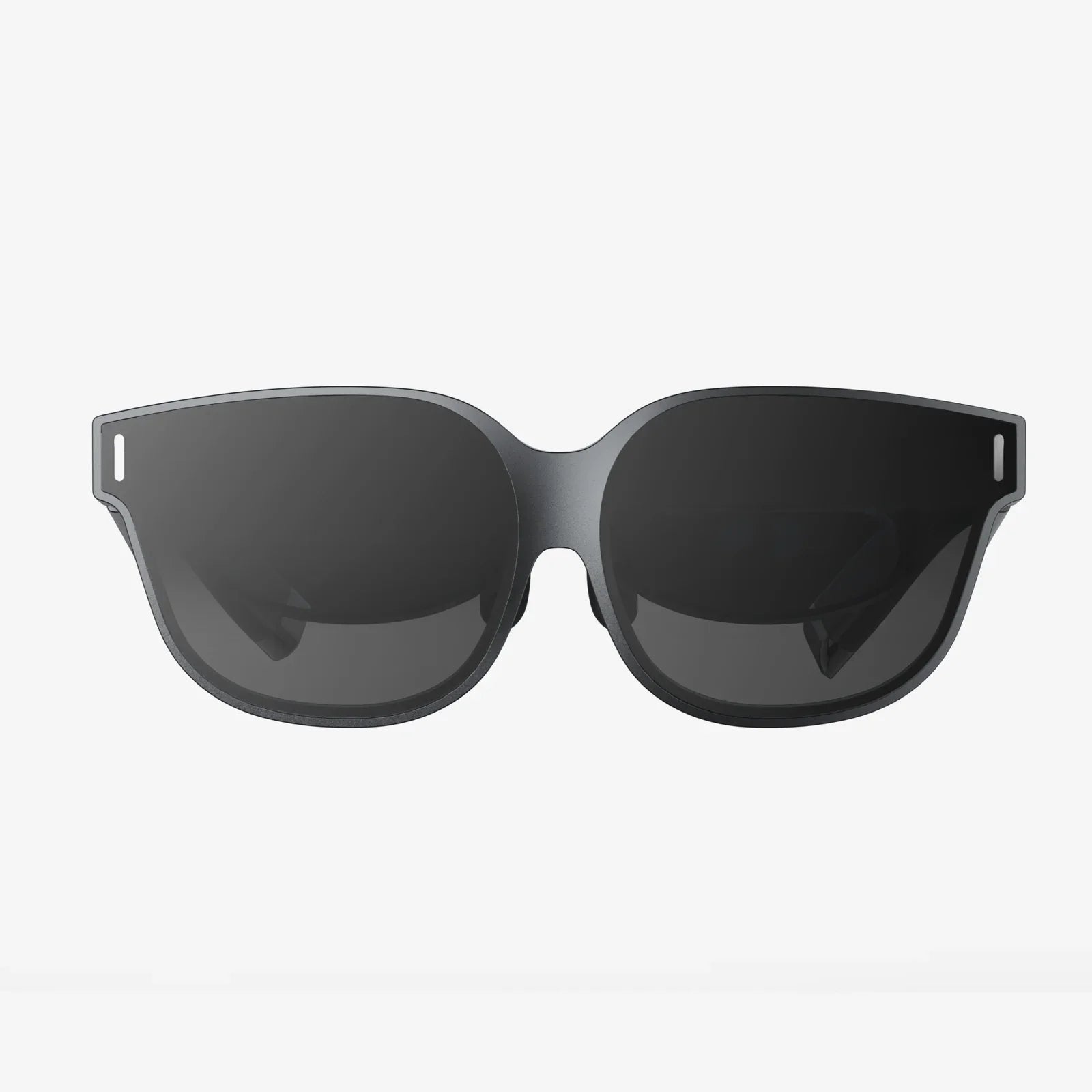
Imagine finding the perfect pair of glasses without ever stepping foot in a store, without the awkwardness of a salesperson watching you try on the fifteenth pair, and without the frustrating guesswork of whether those trendy cat-eye frames will actually suit your face. This is no longer a futuristic fantasy; it is the reality offered by virtual glasses trial technology, a revolutionary force that is fundamentally reshaping how we discover, try on, and purchase eyewear. This digital innovation is bridging the gap between the convenience of online shopping and the tactile assurance of an in-store experience, creating a new paradigm for consumers and retailers alike.
The Dawn of a Digital Fitting Room
The journey to this point began with the rise of e-commerce. For years, buying glasses online was a significant gamble. Consumers were limited to static product photos, generic model shots, and size specifications that were difficult to translate to one's own unique facial structure. The high rate of returns and the inherent dissatisfaction with this process highlighted a critical gap. The industry needed a solution that could replicate the 'try-before-you-buy' principle of physical stores in a digital space. Early attempts involved simple photo uploads where frames were crudely superimposed onto images, but these lacked realism, scale, and interactivity. The true breakthrough came with the integration of advanced technologies like augmented reality (AR), artificial intelligence (AI), and sophisticated facial mapping algorithms, collectively giving birth to the sophisticated virtual glasses trial systems we see today.
How the Technology Actually Works
At its core, a virtual try-on is a marvel of modern software engineering. It's far more complex than simply placing an image of a frame over a picture of a face. The process typically unfolds in several intricate steps:
Facial Landmark Detection: Using your device's camera, the software first identifies and maps key points on your face. It doesn't just see a face; it identifies the precise location of your eyes, the bridge of your nose, the tops of your ears, the width of your temples, and the contour of your cheekbones. This creates a unique 3D model of your head.
3D Modeling and Augmented Reality: Each pair of glasses available in the virtual catalog is also rendered as a detailed 3D model. The AR technology then seamlessly integrates this digital model onto your live video feed or uploaded photo, anchoring it precisely to the mapped landmarks on your face. This ensures the glasses sit correctly, align with your pupils, and tilt at the right angle.
Physics and Material Rendering: The most advanced systems go beyond simple placement. They simulate the physical properties of the materials. This means the software can render how light would reflect off an acetate frame versus a metallic one, how translucent materials might interact with your skin tone, and even how the arms of the glasses would bend and sit over your ears. This attention to detail is what creates a convincing and realistic preview.
AI-Powered Recommendations: Many platforms now incorporate AI algorithms that analyze your facial shape, skin tone, and even personal preferences (if provided) to recommend frames that are most likely to flatter your features. This acts as a personalized stylist, guiding users through often overwhelming choices.
A Multitude of Benefits for the Modern Consumer
The adoption of virtual try-on technology delivers a powerful set of advantages that directly address historical pain points in eyewear shopping.
Unparalleled Convenience and Accessibility: The ability to try on hundreds of frames from the comfort of your home, at any time of day, cannot be overstated. It eliminates geographical barriers, giving users access to a global inventory of styles that may not be available in local stores. For those with mobility issues or busy schedules, this is a game-changer.
Enhanced Confidence in Purchase Decisions: By providing a highly realistic simulation of how glasses will look, virtual trials drastically reduce the anxiety and uncertainty of online shopping. Users can see how a frame looks from multiple angles, in different lighting conditions (some apps allow this), and even share images with friends and family for a second opinion before buying. This leads to more informed and confident decisions.
Discovery and Experimentation: Virtual trials empower users to experiment with styles they might never have dared to try in a physical store. With a few taps, you can jump from a conservative rectangular frame to bold, oversized circular ones or vibrant, colorful acetates. This freedom encourages creative expression and helps individuals discover new aspects of their personal style without social pressure.
Perfecting the Fit: Beyond aesthetics, some advanced systems also provide accurate measurements. They can tell you the precise width of the frames relative to your face, the bridge fit, and the temple length, ensuring the glasses will not only look good but feel comfortable. This data-driven approach to fit is a significant step forward.
Transforming the Business Landscape for Eyewear Retailers
For eyewear businesses, integrating virtual trial technology is not just a neat gadget; it is a powerful strategic tool that drives growth and customer loyalty.
Driving Sales and Reducing Returns: The single biggest business benefit is the reduction in return rates. When customers are more confident in their choice, they are far less likely to send products back. This directly improves the bottom line by cutting down on reverse logistics costs and restocking efforts. Furthermore, the engaging and interactive nature of the technology has been shown to increase conversion rates and average order values, as users are more inclined to purchase when they can visualize the product on themselves.
Valuable Data and Consumer Insights: Virtual try-on platforms generate a wealth of data. Retailers can gain insights into which frames are tried on most frequently, which are ultimately purchased, and which are often abandoned. They can see how different demographics interact with certain styles. This data is invaluable for inventory planning, marketing campaigns, and even informing future frame designs.
Building a Stronger Brand Connection: Offering a cutting-edge, convenient, and fun shopping experience enhances brand perception. It positions a retailer as innovative and customer-centric, fostering brand loyalty and encouraging positive word-of-mouth and social sharing.
Bridging the Online and Offline Divide: The technology also enhances the in-store experience. Sales associates can use tablets equipped with the software to quickly show customers how they would look in a frame that is out of stock on the floor or available in a different color online, creating a seamless omnichannel journey.
Challenges and Considerations on the Horizon
Despite its impressive capabilities, the technology is not without its challenges. Accuracy remains a primary concern. While good, the rendering is still a simulation. Subtle details like the exact weight of the frames on the nose or how a specific lens color affects vision cannot be perfectly replicated. There are also technical limitations related to device compatibility, camera quality, and internet speed, which can affect the user experience for some.
Privacy and data security are another critical consideration. These applications process highly sensitive biometric data—the precise geometry of a user's face. Consumers are rightfully concerned about how this data is captured, stored, used, and protected. Transparent privacy policies and robust security measures are non-negotiable for companies operating in this space to build and maintain trust.
Finally, there is the human element. For some, the advice of a skilled optician or the ability to physically touch and feel the quality of the materials is an irreplaceable part of the shopping process. The technology is best viewed as a complement to, rather than a complete replacement for, human expertise and physical interaction.
The Future of Virtual Try-Ons: What's Next?
The evolution of virtual glasses trials is far from complete. We are on the cusp of even more immersive and integrated experiences. The future likely holds the integration of this technology with wearable AR devices, allowing for hands-free, life-size virtual try-ons in your living room. Haptic feedback technology could one day simulate the feeling of the frames on your skin.
AI will become even more sophisticated, moving beyond style recommendations to consider lifestyle factors, prescribing trends, and even predicting future style preferences. Furthermore, we can expect this technology to expand beyond prescription glasses into sunglasses, smart glasses, and even other facial wear like jewelry and makeup, creating a comprehensive digital beauty and wellness platform.
The virtual glasses trial is more than a temporary trend; it is a foundational shift in the consumer retail experience. It represents a perfect marriage of art and science, of style and technology, empowering individuals to make better choices with greater confidence. It has democratized access to style and personalized shopping, breaking down the barriers between the digital and physical worlds. This is just the beginning of a new, more intuitive, and infinitely more personalized era of how we see ourselves and the world.
Gone are the days of squinting at a small reflection on a website or hoping for the best when clicking 'add to cart.' The power to visualize your next look, to experiment with confidence, and to find the perfect frame that reflects your unique personality is now literally at your fingertips. The mirror of the future is digital, intelligent, and accessible to all, forever changing the reflection we see and the choices we make.
Share:
Smart Sunglasses India: The Dawn of a New Wearable Tech Revolution
Cheap Smart Sunglasses: The Ultimate Guide to Affordable Tech on Your Face