


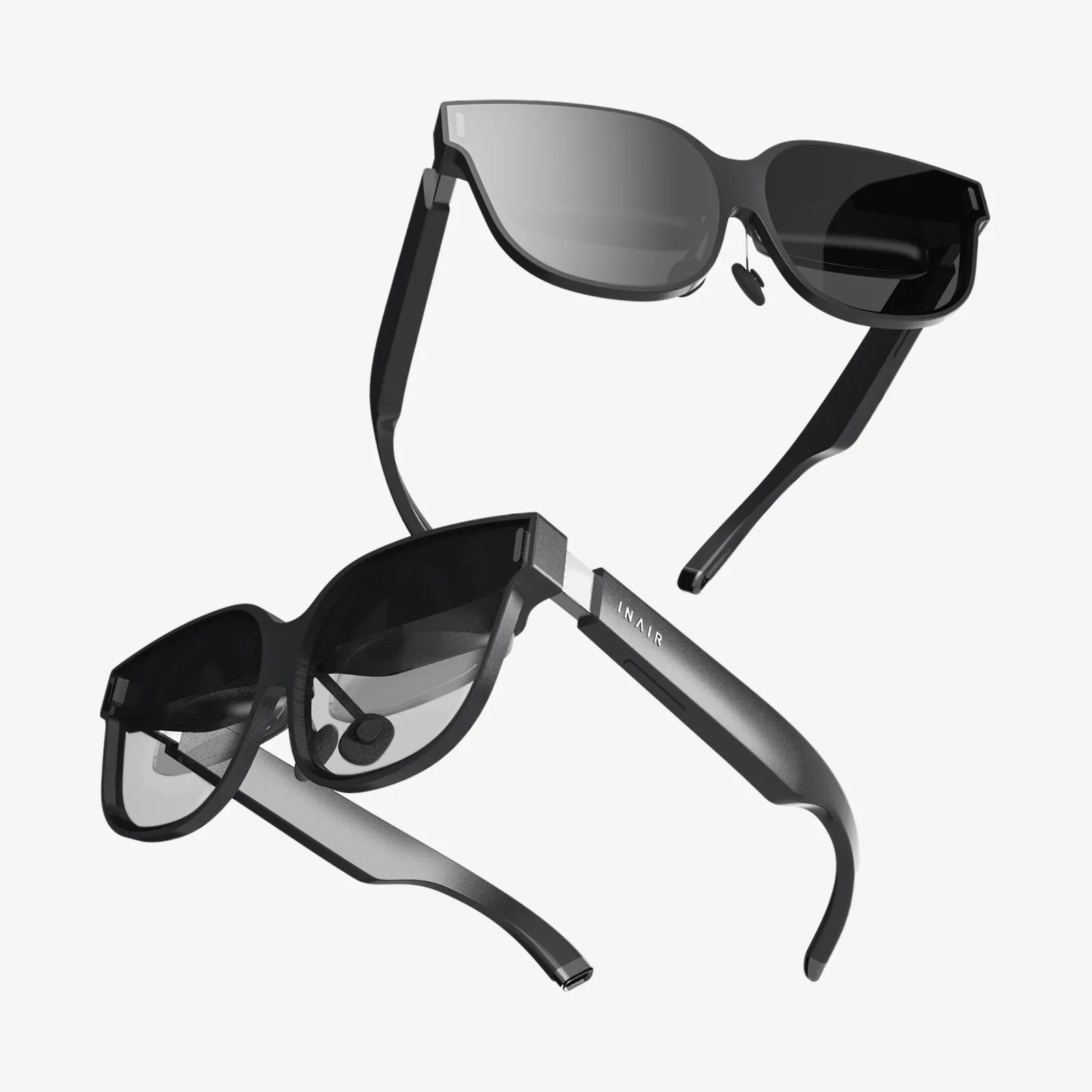
Imagine reaching into your pocket, retrieving the device you use to text, scroll, and snap photos, and within seconds, being transported to the front row of a concert on another continent, the surface of Mars, or a virtual meeting room where colleagues appear as lifelike avatars. This is no longer the stuff of science fiction. The powerful union of virtual goggles and the iPhone is shattering the barriers to immersive experiences, turning a ubiquitous piece of consumer technology into the most personal window to other worlds ever created. The revolution isn't coming; it's already in your hand, waiting for you to look through it.
The Symbiotic Relationship: More Than Just a Screen
At first glance, slotting a smartphone into a headset might seem like a simple mechanical trick. However, the connection between virtual goggles and a modern iPhone is a deeply symbiotic one, a fusion of hardware and software that creates an experience far greater than the sum of its parts. The headset provides the essential architecture for immersion: the high-quality lenses that focus and warp the image for each eye, the inertial measurement units (IMUs) that track head rotation with incredible speed and precision, and the comfortable, light-blocking enclosure that isolates the user from their physical surroundings.
Meanwhile, the iPhone is the beating heart and the brilliant brain of the operation. It contributes its stunning high-resolution, high-pixel-density Retina display—a screen technology so sharp that even when magnified by lenses mere inches from the eyes, the dreaded "screen-door effect" is minimized. It brings its incredibly powerful custom-designed chipset, a mobile processor that rivals many laptops in its ability to render complex 3D graphics and environments in real-time. It provides the precise, multi-sensor tracking system—including the gyroscope, accelerometer, and compass—that tells the headset exactly how and where you are moving. This synergy means the goggles don't need expensive, built-in displays and processors, dramatically lowering the cost and making high-quality virtual reality accessible to millions.
A Spectrum of Experiences: From Passive Viewing to Active Exploration
The beauty of this platform lies in its versatility. The experiences available through an iPhone-powered headset span a wide spectrum, catering to every level of interest and engagement.
Cinematic and 360-Degree Video
The most immediate and accessible entry point is immersive video. Users can don their goggles and instantly find themselves inside a 360-degree movie, a National Geographic documentary, or a music video. It’s a profoundly different experience from watching a flat screen; the sense of "being there" is palpable. You're not just watching a shark swim; you are in the cage, surrounded by the blue expanse of the ocean, looking in every direction as the predator circles. This application has tremendous potential for journalism and storytelling, creating empathy and understanding by placing viewers directly in the center of the story.
Interactive Gaming and Applications
For a more active experience, interactive games and apps leverage the full power of the iPhone's processing might. From rhythm games that have you slicing through blocks of light to puzzle games that require you to physically lean and peer around virtual objects, the level of engagement is unmatched. These applications often utilize a simple Bluetooth game controller, but the primary input remains the user's own head movements, creating an intuitive and physically engaging form of play. Beyond gaming, intricate educational apps allow you to explore the human body cell by cell, walk through ancient Roman ruins reconstructed in meticulous detail, or practice real-world skills like public speaking in a safe, virtual environment.
The Social and Collaborative Dimension
Perhaps the most futuristic application lies in social connection. Emerging platforms allow users to create digital avatars and meet with friends, family, or colleagues in shared virtual spaces. You might watch a movie together on a virtual big screen, collaborate on a 3D design model, or simply hang out and chat in a fantastical environment. This moves communication beyond voice and video into a new realm of spatial presence, where body language and shared context create a much richer and more natural feeling of togetherness, even when participants are oceans apart.
The Technical Alchemy: How the Magic is Made
The seamless experience of virtual reality on an iPhone is a marvel of software engineering that works to overcome several inherent challenges. A key technology is low-persistence display rendering. Instead of showing a constant image, the screen flashes a frame very briefly and then goes black before showing the next one. This prevents the blurring of imagery that occurs when you move your head quickly, a phenomenon that can quickly lead to discomfort.
Furthermore, sophisticated algorithms are employed for a technique called asynchronous timewarp. This technology constantly adjusts the rendered image based on the latest head-tracking data right before the frame is displayed. If you turn your head slightly as a frame is being drawn, timewarp makes a tiny adjustment to the image to match your new perspective, eliminating judder and maintaining the critical illusion of a stable world. This all happens in milliseconds, a testament to the efficiency of the mobile operating system and the raw power of the hardware.
Accessibility and the Democratization of VR
Prior to the proliferation of smartphone-based solutions, high-end virtual reality was the domain of dedicated enthusiasts and professionals with deep pockets, requiring a powerful personal computer, external sensors, and an expensive, wired headset. The iPhone-based model turned this paradigm on its head. By leveraging a device that a significant portion of the population already owns and upgrades regularly, virtual goggles became an affordable accessory rather than a complex and costly system. This dramatically lowered the barrier to entry, allowing a global audience to sample and adopt immersive technology. It served as the perfect onboarding ramp for an entire generation, familiarizing them with VR concepts and creating a massive market for developers to create content.
Limitations and the Path Forward
Of course, this approach is not without its constraints. Being tethered to the phone's capabilities means the experience is ultimately bounded by its thermal and battery limits. Intensive VR applications can drain the battery quickly and generate significant heat, which can lead to performance throttling. Furthermore, while tracking rotational head movement (pitch, yaw, and roll) is flawless, most basic headsets lack positional tracking—the ability to detect when you lean forward, duck, or walk around. This limits movement within the virtual space and can break immersion for some applications.
However, the industry is innovating rapidly. Newer headsets incorporate additional external cameras and sensors to enable full "six degrees of freedom" (6DoF) tracking, allowing for room-scale movement without needing external beacons. Others are experimenting with wireless streaming to dedicated headsets, using the iPhone as a content hub and controller. The line between mobile and dedicated VR is blurring, with the smartphone remaining a central, powerful, and accessible engine for the metaverse.
Beyond Entertainment: Practical and Transformative Uses
The implications of this technology extend far beyond games and videos. In the field of education, students can take virtual field trips to the Louvre or the Great Barrier Reef, experiencing places they might never otherwise see. Medical students can practice procedures on virtual patients, and architects can walk clients through unbuilt designs at a 1:1 scale. For real estate, potential buyers can take immersive tours of properties from anywhere in the world. Therapists are using controlled virtual environments to treat phobias and PTSD, allowing for gradual exposure in a completely safe and manageable setting. The iPhone, as a device carried everywhere, becomes the perfect delivery mechanism for these powerful professional tools.
This powerful combination has fundamentally changed the landscape of personal technology. It has proven that profound, world-shifting experiences don't always require specialized, expensive hardware. Sometimes, they simply require a new lens through which to view the powerful computer we already carry with us every day. It has democratized a future that once seemed distant, making it available, affordable, and astonishingly real. The true magic of virtual goggles for the iPhone lies not in the technology itself, but in the doors it opens: to new worlds of play, new depths of understanding, and new ways to connect with each other and the universe around us. The next time you pick up your phone, remember—it’s not just a communication device; it’s a ticket to anywhere.
Share:
What Type of VR Headset Should I Get? A Complete Buyer's Guide
Best Budget Mobile VR Headset - Your Portal to Affordable Virtual Worlds