


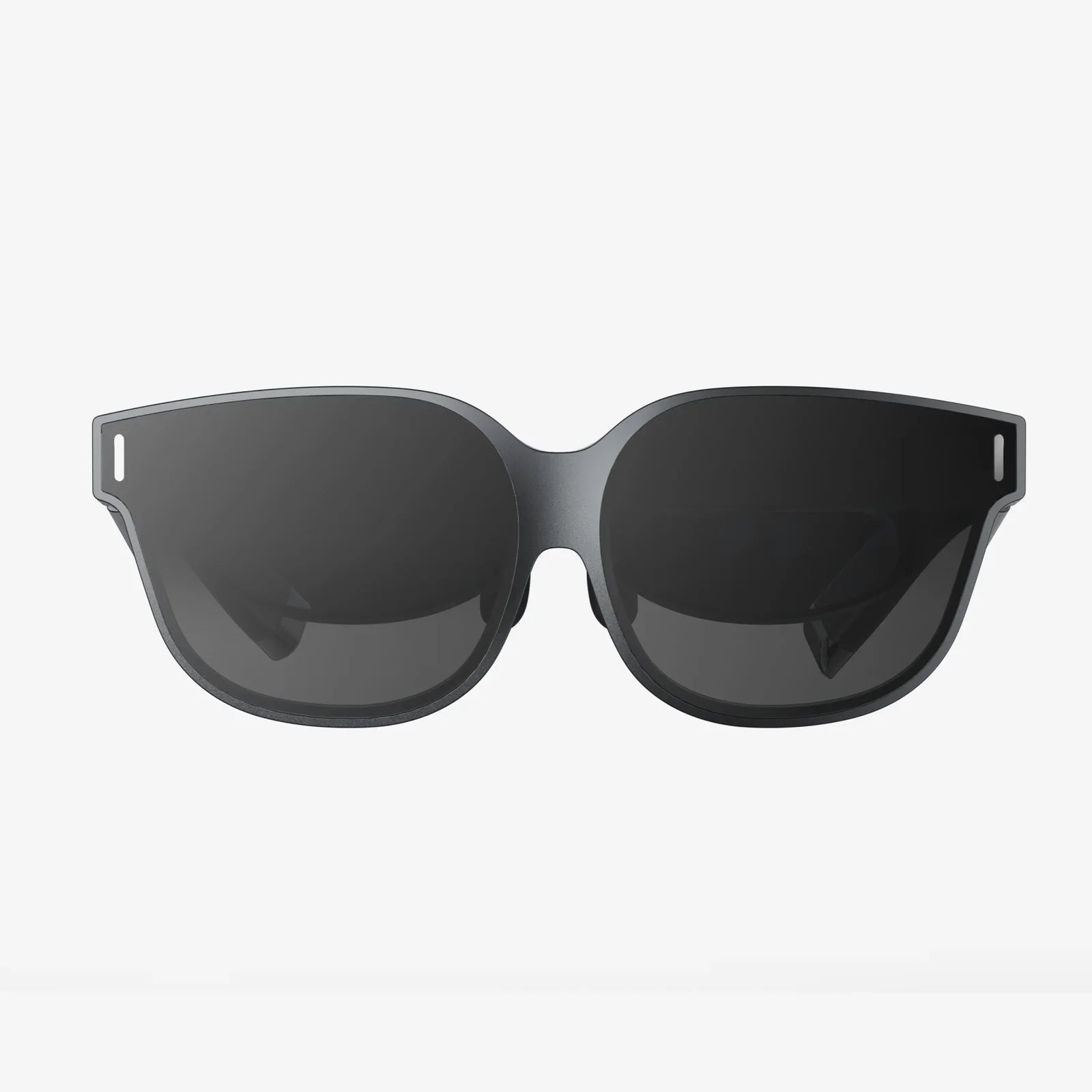
We log in, we scroll, we build, we connect—all within the glow of a screen. But as the lines between the digital and the physical irrevocably blur, a pressing question emerges from the noise: are we living our lives, or merely curating them? The choice between a virtual life and reality is no longer a futuristic dilemma; it's the central, daily tension of modern existence, forcing each of us to navigate a new frontier of human experience where the stakes are nothing less than our sense of self, our connections, and our very perception of the world.
The Allure of the Digital Ether: Why We Retreat to the Virtual
To understand the gravitational pull of the virtual world, one must first acknowledge its profound appeal. It is not merely an escape; for many, it is an upgrade, a carefully engineered environment designed to cater to human desires with an efficiency the physical world often lacks.
The Promise of a Curated Self: Reality comes with inherent limitations—our appearance, our social skills, our past. The virtual realm offers a powerful antidote: agency. We can craft an avatar, a persona, or a profile that embodies our ideal self. A person who is shy in a crowded room can become a charismatic leader in a digital guild. Someone constrained by physical appearance can express their true identity without fear of immediate judgment. This act of self-creation is intensely liberating, offering a sandbox for identity exploration that feels safer and more controllable than the messy unpredictability of face-to-face interaction.
The Engineered Reward System: Unlike the often delayed and ambiguous gratifications of reality, virtual platforms are built on a foundation of instant feedback. A like, a share, a new level, a rare in-game item—each is a micro-validation, a small hit of dopamine confirming our presence and worth. This carefully calibrated system of rewards creates a powerful feedback loop, encouraging continued engagement. The real world’s rewards—mastering a skill, building a deep friendship—require patience and vulnerability, investments that feel riskier and less guaranteed than their digital counterparts.
Unprecedented Accessibility and Community: The virtual world demolishes geographical and social barriers. A hobbyist can find a thousand others who share their most niche interest at any time of day. Someone in a remote location can access global culture, education, and conversation. For marginalized individuals, online communities can provide a lifeline—a place of belonging and understanding unavailable in their immediate physical environment. This connectivity, while often broad rather than deep, fulfills a fundamental human need for tribe and recognition.
The Unseen Cost: The Psychological and Social Toll of Digital Dominance
However, this migration to the digital is not without its consequences. As we spend more time cultivating our virtual lives, we may inadvertently neglect the foundational aspects of our humanity, leading to a range of psychological and social deficits.
The Erosion of Embodied Experience: Human experience is not purely cognitive; it is embodied. The feeling of sun on skin, the visceral thrill of physical exertion, the subtle nuances of a hug, the taste of a shared meal—these sensory-rich experiences are flattened or lost in translation to the digital. Over time, a preference for the virtual can lead to a disconnection from our own bodies and the physical environment, a phenomenon some researchers link to increased rates of anxiety, depression, and a general sense of disembodiment.
The Comparison Trap and the Anxiety of Perfection: While the virtual world offers a platform for self-expression, it also sets the stage for relentless social comparison. We are constantly bombarded with curated highlights of others' lives—vacations, professional successes, perfect relationships. This creates an impossible benchmark for our own reality, fostering feelings of inadequacy, envy, and a distorted belief that everyone else is living a more fulfilling life. The pressure to maintain a perfect digital facade can become a source of significant anxiety, making authentic vulnerability seem like a weakness.
The Atrophy of Deep, Unmediated Connection: Digital communication, for all its efficiency, strips away the critical non-verbal cues that form the bedrock of deep human connection—tone of voice, body language, eye contact, touch. These cues build empathy, trust, and intimacy. Relationships conducted primarily through text and images can become transactional and performance-based, lacking the depth and resilience forged through shared, unscripted physical presence. The result can be a pervasive sense of loneliness even amidst a vast network of online "friends."
Beyond the Binary: Reconciling the Two Worlds
Framing the discussion as a simple choice—virtual or reality—is a false dichotomy. The goal is not to reject technology but to develop a conscious and healthy integration of both worlds, leveraging the benefits of the digital while safeguarding the irreplaceable value of the physical.
Intentionality is the Key: The first step is moving from passive consumption to active intention. This means asking ourselves why we are logging on. Is it for a specific purpose—to learn something, to connect with a distant friend, to relax with a game? Or is it a mindless impulse, a distraction from discomfort or boredom? Setting boundaries, such as designated screen-free times or zones, prevents the virtual from bleeding into and overwhelming our physical reality.
Using the Virtual to Enhance the Real: The most powerful use of technology is as a bridge back to reality. A online tutorial can teach you to cook a new recipe, which you then share with loved ones around a real table. A fitness app can motivate you to go for a run in the park. A interest-based forum can lead to meeting like-minded people at a local meetup. In this model, the virtual serves as a tool to enrich, inform, and augment our offline lives, not replace them.
Reclaiming Presence: Cultivating mindfulness is the antidote to digital fragmentation. Practices that anchor us in the present moment—whether it’s spending time in nature, engaging in a physical hobby, or simply having a conversation without a phone in hand—strengthen our connection to the tangible world. This practiced presence allows us to appreciate the un-curated, imperfect, and beautifully complex texture of real life.
The Philosophical Horizon: What Does It Mean to Be Human?
This tension between virtual life and reality forces us to confront profound philosophical questions about the nature of existence and identity.
If we can derive meaning, community, and pleasure from a synthesized environment, is that experience any less "real"? If our digital self is a truer expression of our inner world, does it hold more authenticity than our physical embodiment? These are not questions with easy answers. They challenge centuries-old notions of reality and selfhood. The virtual world becomes a new canvas for age-old human pursuits: storytelling, art, social organization, and the search for meaning. The risk is that in crafting these new worlds, we might lose sight of the wonder and complexity of the original one we inhabit—a world not of our own design, which operates on its own terms and offers a depth of experience that, so far, remains unparalleled.
The most pressing imperative may be to ensure that our humanity defines our technology, and not the other way around. This requires a collective effort to design digital spaces that prioritize well-being over endless engagement, that foster genuine connection over superficial metrics, and that ultimately remind us of the value of the lives we live beyond the screen.
The screen glows with infinite possibility, a portal to identities and worlds unbound by physics or fate. Yet its greatest power may lie not in the escape it offers, but in its ability to make us yearn for the rain on our face, the grip of a hand, the unscripted laughter that echoes in a room—reminding us that the most immersive reality, the one worth constantly logging into, is waiting for us just beyond the power button.
Share:
Immersive App: The Gateway to Digital Escapism and a New Reality
Mobility Technologies of the Future: Redefining How We Connect and Commute