


Remember the days of frantic travel, cramped conference rooms, and the universal sigh of 'this meeting could have been an email'? They are fading into a sepia-toned memory, replaced by the quiet hum of a global digital workspace powered by an unseen engine: virtual meeting technology. What began as a convenient stopgap has rapidly evolved into the central nervous system of modern business, fundamentally altering not just how we meet, but how we connect, collaborate, and conceive of work itself. This is not merely about seeing a colleague's face on a screen; it's a silent revolution reshaping geography, culture, and human interaction on a planetary scale.
The Architectural Shift: From Physical Rooms to Digital Hubs
The most immediate change wrought by virtual meeting technology is architectural. The traditional office was built around the physical meeting room—a fixed location with a finite capacity. Collaboration was inherently limited by geography. Today, the meeting room is a digital construct, a virtual space that can be conjured instantly between any number of participants, regardless of their physical location. This shift has dismantled the walls of the office, creating a borderless corporate environment.
This new architecture is built on a foundation of sophisticated components that extend far beyond basic video and audio. Core elements now include:
- High-Definition Video and Spatial Audio: Crystal-clear video minimizes fatigue and fosters a sense of presence, while advanced audio systems can filter out background noise and even simulate the acoustics of a room, making conversations flow more naturally.
- Interactive Digital Whiteboards: Replicating the creative energy of a physical whiteboard session, these tools allow teams to brainstorm, diagram, and map ideas in real-time, with every participant able to contribute simultaneously.
- Integrated Productivity Suites: Seamless sharing and co-editing of documents, spreadsheets, and presentations within the meeting platform itself eliminate the friction of switching between applications, keeping the focus on the work.
- Advanced Moderator Controls and Engagement Analytics: Hosts can manage speaking times, run structured polls and Q&A sessions, and even access data on participant engagement to improve the quality and effectiveness of future meetings.
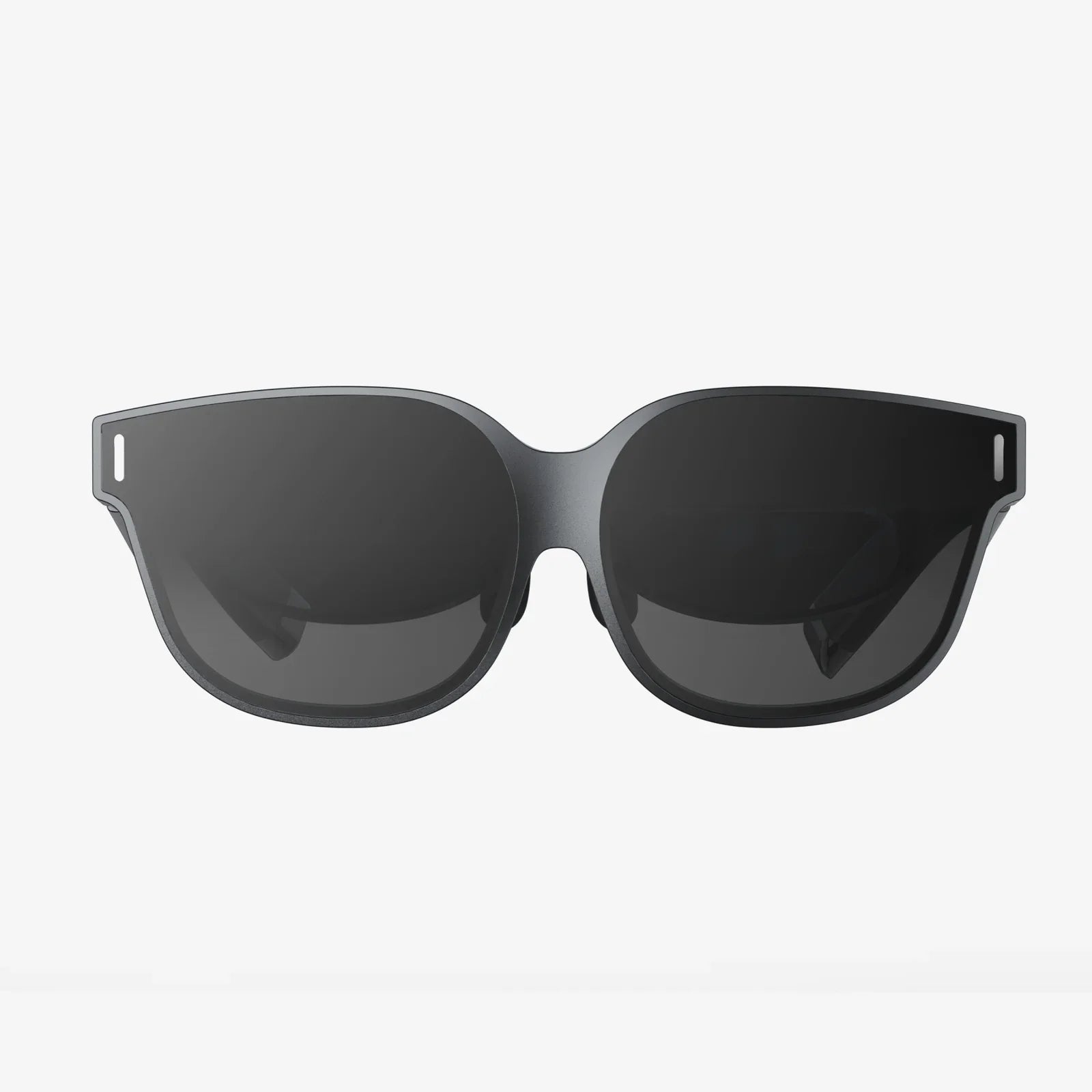
- Immersive and Augmented Reality Integration: The bleeding edge of this technology is moving towards 3D virtual spaces where avatars can interact, or using AR to overlay digital information onto the physical world during a call, invaluable for remote assistance and complex design reviews.
This robust technological stack has transformed the meeting from a passive information-sharing event into an active, participatory digital workshop.
The Cultural Revolution: Inclusivity, Asynchronicity, and the New Work-Life Mosaic
Perhaps the most profound impact of virtual meeting technology is cultural. It has catalyzed a dramatic shift in workplace dynamics, fostering both challenges and unprecedented opportunities.
On one hand, the potential for "Zoom fatigue" is real. The constant gaze of the camera, the cognitive load of processing non-verbal cues on a grid, and the blurring of lines between home and office can lead to burnout. This has forced organizations to rethink meeting culture entirely—promoting agendas, shortening default meeting times, and encouraging camera-off periods to reduce cognitive load.
On the other hand, the technology has been a powerful force for inclusivity. It has democratized participation. Junior employees, those in remote satellite offices, or individuals who may be less vocal in a large physical room often find a more equal footing in a virtual setting. Features like raised hands, chat functions, and polls give everyone a channel to contribute. Furthermore, it has opened doors for a truly global talent pool. Companies are no longer restricted to hiring within a commutable distance, enabling a diversity of thought and experience that was previously logistically impossible.
This has also given rise to the era of asynchronous collaboration. While live meetings remain crucial, the technology empowers teams across different time zones to collaborate effectively. Recorded meetings, timestamped comments on shared documents, and video messages allow work to progress continuously, 24/7, decoupling productivity from synchronized schedules. This flexibility is the cornerstone of the new work-life mosaic, where professional and personal responsibilities can be interwoven more fluidly than ever before.
Beyond the Boardroom: Applications Reshaping Entire Industries
The influence of virtual meeting technology extends far beyond corporate strategy sessions. It is revolutionizing fields as diverse as healthcare, education, and manufacturing.
- Telehealth: Virtual consultations have moved from a niche service to a mainstream pillar of healthcare delivery. Patients in rural areas can access specialists, follow-up appointments become more convenient, and contagious individuals can receive care without risking exposure to others.
- Education and Remote Learning: Classrooms have expanded to a global scale. Students can learn from expert instructors anywhere in the world, participate in virtual field trips, and engage in collaborative projects with peers from different cultures. While not a perfect substitute for in-person learning, it has broken down significant barriers to access.
- Manufacturing and Field Services: An expert engineer sitting in one country can now guide a technician on a factory floor in another through a complex repair using AR overlays and real-time video. This drastically reduces downtime, travel costs, and ensures problems are resolved by the best available mind, regardless of their physical location.
The Horizon: AI, Immersion, and the Invisible Interface
The evolution of this technology is accelerating, driven by artificial intelligence and a push towards greater immersion. The next generation of virtual meeting tools will feature AI-powered assistants that can automatically generate meeting transcripts, summarize key action items, and even translate conversations in real-time, erasing language barriers. We are moving towards interfaces that feel less like technology and more like a natural extension of conversation.
Immersive virtual environments, experienced through more advanced headsets, will create a stronger sense of "being there together," complete with spatial audio that makes it sound like a colleague is speaking from your left or right. This pursuit of presence is the next frontier, aiming to replicate the subtle, subconscious benefits of physical co-location—the casual hallway conversation, the spontaneous idea that sparks after a meeting ends.
The ultimate goal is for the technology to become so seamless, so intuitive, and so robust that it fades into the background. The focus will shift entirely from the tool to the human connection and the work being done, making distance truly irrelevant.
The quiet click of the 'join meeting' button belies a seismic shift. Virtual meeting technology is no longer just a tool for communication; it is the foundational infrastructure for a new era of globalized, flexible, and human-centric work, quietly weaving together the disparate threads of our professional lives into a cohesive and dynamic whole. The office of the future isn't a place you go; it's a space you log into, and its potential is just beginning to be unlocked.
Share:
Problems with Virtual Meetings: The Hidden Costs of a Digital Workforce
Best Head Mounted Display - The Ultimate Guide to Immersive Technology