


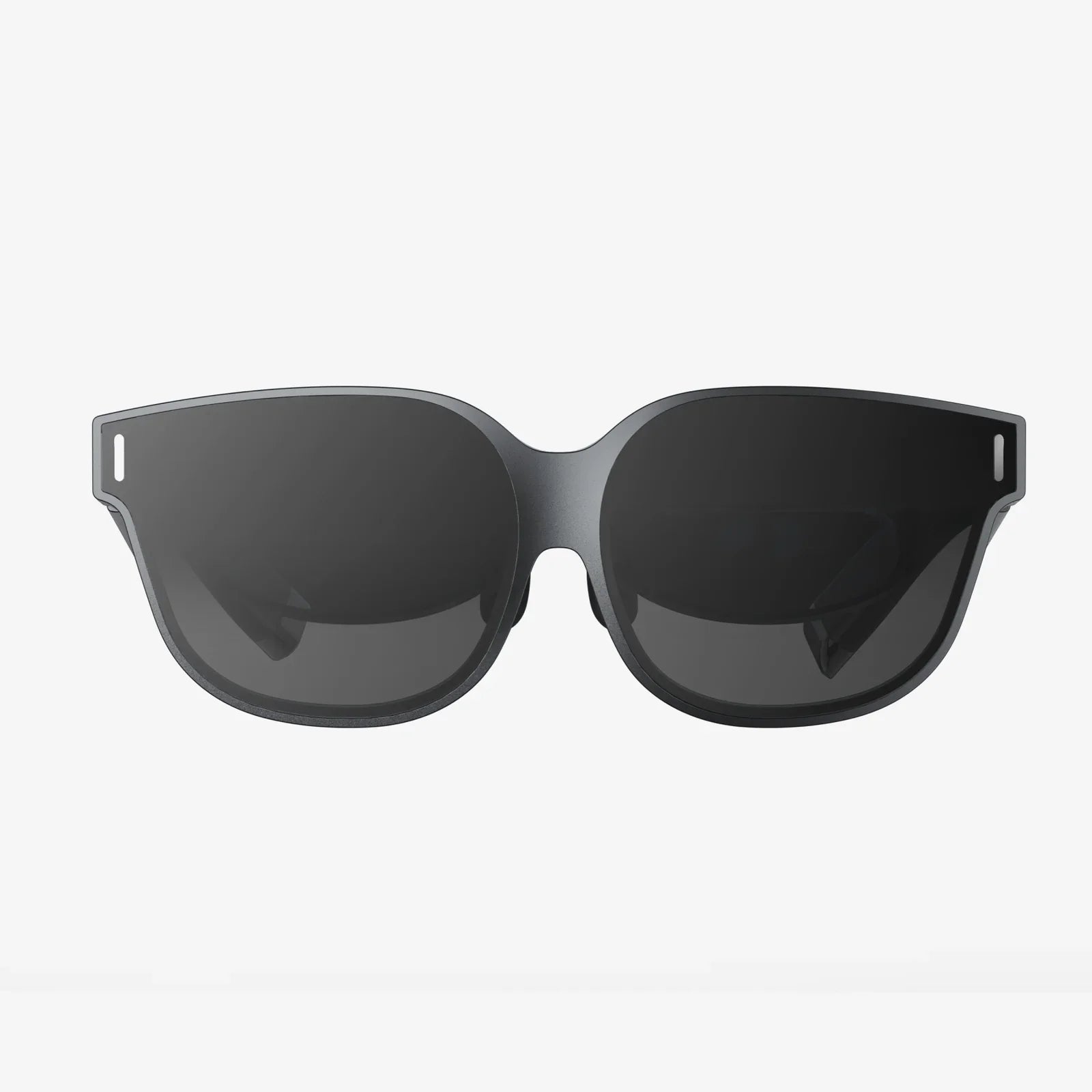
Imagine closing a major deal from a beachside café, collaborating with a global team from a mountain retreat, or managing your entire operation from the comfort of your living room. This isn't a distant vision of the future of work; it's the reality for millions of professionals who have embraced the virtual mobile office. The very meaning of 'the office' has been fundamentally and permanently altered, shifting from a fixed physical location to a dynamic, fluid, and highly personalized concept. This seismic shift represents more than just a change of scenery; it's a complete reimagining of work culture, technology infrastructure, and professional life. Understanding the virtual mobile office meaning is the first step to unlocking a world of unprecedented flexibility, efficiency, and autonomy. The traditional 9-to-5 grind, tethered to a specific desk in a specific building, is rapidly becoming an artifact of a bygone era, replaced by a model that prioritizes outcomes over attendance and empowers individuals to design their work around their lives, not the other way around.
Deconstructing the Terminology: What Exactly Is a Virtual Mobile Office?
At its core, the virtual mobile office meaning can be distilled into a simple yet powerful idea: a fully functional business operation that exists without a traditional, physical office space, enabling work to be conducted securely from any location with an internet connection. It is the seamless integration of technology, strategy, and culture to create a professional environment that is location-independent. However, to fully grasp its significance, we must break down its constituent parts. 'Virtual' signifies that the office is not a tangible place but a digital ecosystem. It's a constellation of cloud-based applications, communication platforms, and data storage solutions that replicate and often enhance the capabilities of a physical office. 'Mobile' emphasizes the freedom and flexibility inherent in the model. It denotes the ability to access this virtual ecosystem from a variety of devices—smartphones, tablets, laptops—while in motion, whether that's across town or across continents. Finally, 'office' confirms that despite its non-physical nature, it remains the central hub for professional activity, collaboration, and productivity. It is where work happens, even if 'where' is no longer a single defined point on a map.
This model should not be confused with simple remote work or telecommuting. While related, a virtual mobile office represents a more holistic and integrated approach. Telecommuting often implies working from a home office for a company that still maintains a physical headquarters. A virtual mobile office, by contrast, often describes an organization that is inherently distributed, with no central physical office at all. Every employee, from the CEO to the newest hire, operates within this mobile framework. It is a foundational business strategy, not a temporary perk or a circumstantial arrangement.
The Essential Technological Pillars of a Mobile Office
The entire concept of a virtual mobile office is predicated on a robust technological foundation. Without the right tools, the model collapses. These technologies act as the digital infrastructure, replacing the physical infrastructure of walls, desks, and conference rooms.
Cloud Computing and Storage
This is the absolute bedrock of the virtual office. The cloud provides the centralized, accessible-from-anywhere platform that hosts all critical business functions. Instead of files living on a server in a closet down the hall, they reside on secure, remote servers. This includes everything from document creation and storage (using suites like Google Workspace or Microsoft 365) to sophisticated enterprise resource planning (ERP) and customer relationship management (CRM) systems that are hosted in the cloud. This ensures that every team member, regardless of their device or location, is working with the same, most up-to-date information in real-time, eliminating version control nightmares and enabling true collaborative editing.
Unified Communication and Collaboration Platforms
These tools are the digital equivalent of the office's open floor plan, meeting rooms, and water cooler. They are how your team talks, meets, and connects on a human level. This category encompasses:
- Video Conferencing: For face-to-face meetings, team stand-ups, and client presentations. High-quality, reliable video is non-negotiable for building trust and fostering personal connection.
- Instant Messaging (IM) and Chat Apps: For quick, informal questions, rapid-fire collaboration, and creating dedicated channels for projects or topics, replicating the ability to lean over a desk and ask a colleague a question.
- Voice over Internet Protocol (VoIP): A business phone system that operates over the internet, allowing employees to make and receive calls from their business number on their personal smartphone or laptop, often with advanced features like call forwarding, auto-attendants, and voicemail-to-email.
These platforms are often integrated into a single suite, creating a seamless flow between a chat message, a voice call, and a video meeting.
Virtual Private Networks (VPNs) and Security Software
With a dispersed workforce accessing company data from various networks (home Wi-Fi, coffee shops, airports), security becomes paramount. A VPN creates an encrypted tunnel between an employee's device and the company's network, shielding data from prying eyes on public networks. Beyond VPNs, robust endpoint security software is essential to protect each device from malware, phishing attacks, and other threats. This also includes multi-factor authentication (MFA) for all logins, ensuring that compromised passwords alone are not enough for a breach.
Project and Task Management Software
These applications provide the structure and visibility needed to manage workflows in an environment where you can't physically see what everyone is working on. They offer a centralized dashboard for assigning tasks, tracking progress, setting deadlines, and managing projects from inception to completion. This transparency ensures accountability and keeps everyone aligned on goals and priorities, making managerial oversight possible from a distance.
The Profound Benefits: Why the World is Going Mobile
The adoption of the virtual mobile office model is driven by a powerful array of benefits for both employers and employees, creating a compelling value proposition that is difficult to ignore.
For Businesses and Organizations
- Massive Reduction in Overhead Costs: This is often the most immediate and tangible benefit. Organizations can eliminate or drastically reduce expenses related to leasing office space, purchasing office furniture, paying for utilities, insurance, property taxes, and office supplies. These savings can be redirected towards growth initiatives, better technology, or higher employee compensation.
- Access to a Global Talent Pool: Companies are no longer restricted to hiring people who live within a commutable distance of a physical office. They can recruit the best person for the role, regardless of their geographic location. This allows for a more diverse, skilled, and experienced workforce.
- Enhanced Productivity and Performance: Contrary to early skepticism, numerous studies have shown that remote workers are often more productive. Without the distractions of a noisy open office, unnecessary meetings, and lengthy commutes, employees can often achieve more in less time, leading to higher output and better quality work.
- Increased Business Continuity and Resilience: A virtual mobile office is inherently resilient to disruptions. Whether it's a local power outage, a public transport strike, a pandemic, or a natural disaster, a distributed workforce can continue operations with minimal interruption. The business is no longer vulnerable to a single point of failure.
- Reduced Environmental Impact: By eliminating daily commutes for a large number of employees, companies can significantly reduce their carbon footprint and contribute to sustainability goals.
For Employees and Professionals
- Unparalleled Flexibility and Autonomy: This is the cornerstone of the employee value proposition. Individuals gain control over their work schedules and their work environment. They can work during their most productive hours, structure their day around personal commitments like family or hobbies, and choose to live where they want, not where their job is located.
- Elimination of the Daily Commute: Regaining hours every week that were previously spent in traffic or on crowded trains is a life-changing benefit. This time can be reinvested into health, family, sleep, or personal development, leading to a significantly higher quality of life.
- Improved Health and Wellbeing: Reduced commute stress, the ability to eat healthier meals at home, and the flexibility to incorporate exercise into the day contribute to better physical and mental health. The autonomy also reduces burnout and increases job satisfaction.
- Financial Savings: Employees save money on gas, public transportation fares, car maintenance, professional wardrobe, and daily lunches out.
Navigating the Challenges and Implementing Best Practices
While the benefits are immense, the virtual mobile office model is not without its challenges. Success requires intentional strategies to overcome these hurdles.
Combating Isolation and Building Culture
The lack of physical proximity can lead to feelings of isolation and a weak organizational culture. To counter this, companies must be proactive. This involves scheduling regular video check-ins that are not just about work but about personal connection, creating virtual social spaces (like coffee chats or online game nights), and organizing occasional in-person retreats or meetups to solidify relationships. Leaders must also be intentional about communicating company values and celebrating wins publicly within the digital space.
Preventing Burnout and Setting Boundaries
The line between work life and home life can become dangerously blurred when your office is also your home. The always-on mentality is a real risk. It is crucial to establish clear boundaries. This means setting strict working hours, having a dedicated workspace (even if it's just a specific desk), and physically logging off at the end of the day. Managers should lead by example by respecting these boundaries and not sending messages outside of agreed-upon hours.
Mastering Communication and Collaboration
Communication must become more deliberate and structured. Over-communication is better than under-communication in a remote setting. Teams should establish clear protocols: which tool to use for which purpose (e.g., email for formal requests, chat for quick questions, video for complex discussions), expected response times, and guidelines for effective virtual meetings (e.g., mandatory video, agendas sent in advance). Documenting everything is also key to ensuring institutional knowledge is shared and not siloed.
Ensuring Security in a Decentralized World
As mentioned, security is a top concern. Beyond providing technology like VPNs and MFA, companies must invest in continuous cybersecurity training for all employees. This includes educating them on identifying phishing attempts, creating strong passwords, and safely using public Wi-Fi. Clear and enforceable security policies must be developed and communicated to everyone.
The Future is Mobile: The Lasting Impact on Work
The virtual mobile office is far more than a temporary trend born out of global necessity; it is a permanent and transformative shift in the global work paradigm. Its meaning extends beyond technology to encompass a new philosophy of work—one that is human-centric, output-oriented, and boundary-less. As technology continues to advance with faster mobile networks, more sophisticated collaboration tools, and the integration of augmented and virtual reality, the virtual mobile office experience will only become more immersive and seamless. We are moving towards a future where the digital and physical workspaces converge, allowing for a level of flexibility and collaboration that was once the stuff of science fiction. Companies that embrace this model and invest in building a strong, connected, and secure digital workforce will be the ones that attract top talent, drive innovation, and thrive in the economy of tomorrow. The question is no longer if your organization will adapt to this new reality, but how quickly and effectively you can build your own virtual mobile office to harness its incredible potential.
The era of being tied to a desk is over. The power to work from anywhere is no longer a luxury for a select few but a strategic imperative for modern businesses and a fundamental right for the modern professional. By fully embracing the virtual mobile office meaning, you aren't just changing your address; you are unlocking a future of limitless possibility, where work seamlessly integrates into life on your terms, fueling productivity, creativity, and well-being in ways the traditional office never could. The tools are here, the model is proven, and the world is waiting. Your new office, unbounded by walls and open to the world, is ready for you to log in.
Share:
How Is AR Used in Entertainment: Blurring the Lines Between Reality and Fantasy
Spatially Augmented Reality: Projecting a New Digital Dimension onto Our Physical World