


Imagine a workspace unbound by four walls, a commute measured in footsteps rather than miles, and a global talent pool accessible at the click of a button. This isn't a glimpse into a distant future; it's the reality being built today by a sophisticated ecosystem of virtual office products. The very fabric of the traditional workplace is being unraveled and rewoven, creating a new digital-first paradigm that prioritizes flexibility, efficiency, and human-centric design. For forward-thinking leaders and ambitious professionals, understanding and leveraging these tools is no longer a luxury—it's an absolute necessity for thriving in the new economy. The revolution is here, and it’s happening virtually.
The Foundation: More Than Just Video Calls
When many people hear the term 'virtual office,' their minds jump immediately to video conferencing platforms. While these are a critical component, they represent only the tip of the iceberg. The true virtual office is a comprehensive, integrated suite of products designed to replicate and, in many cases, enhance every function of a physical office space. This ecosystem is built on several foundational pillars that work in concert to create a seamless digital work environment.
The first pillar is synchronous communication. This includes high-definition video conferencing tools that offer features like immersive meeting backgrounds, noise cancellation, and real-time transcription. These platforms have evolved far beyond simple face-to-face chats; they now include digital whiteboards for brainstorming, breakout rooms for smaller group discussions, and interactive polling features to engage participants, ensuring that collaboration remains dynamic and effective, regardless of location.
The second, and perhaps most vital, pillar is asynchronous communication. This category encompasses messaging applications that allow for persistent, channel-based conversations organized by projects, teams, or topics. The power of these tools lies in their ability to eliminate the incessant ping of emails and create a searchable knowledge base. Decisions, updates, and files shared within these channels are preserved, creating a transparent and accessible record for all team members, which is invaluable for onboarding new hires and maintaining continuity across different time zones.
The Central Nervous System: Project and Knowledge Management
If communication tools are the voice of the virtual office, then project and knowledge management platforms are its brain and central nervous system. These powerful products provide the structure and clarity needed to coordinate complex work across distributed teams.
Modern project management suites offer customizable boards, lists, and timelines that give everyone a bird's-eye view of progress, deadlines, and responsibilities. They integrate deeply with other tools, automatically updating tasks when a file is approved in a cloud storage service or a comment is made on a related document. This creates a single source of truth for every initiative, preventing the confusion and misalignment that can easily plague remote teams.
Complementing this is the knowledge management hub. This is the virtual equivalent of a company's shared filing cabinet, water cooler conversations, and library, all rolled into one. It’s a centralized repository for documentation, company policies, best practices, and project wikis. These hubs are often built on wiki technology that allows any team member to contribute and edit, fostering a culture of collective knowledge and continuous improvement. This prevents critical information from being siloed in individual email inboxes or lost in endless chat threads, ensuring that institutional knowledge is retained and accessible.
Creating Serendipity: The Digital Watercooler
One of the most cited concerns about remote work is the loss of spontaneous, serendipitous interaction—the 'watercooler moment' where impromptu conversations lead to breakthrough ideas or strengthen collegial bonds. Virtual office products have innovated fiercely to address this human need.
Dedicated social and engagement platforms have emerged, designed to replicate the casual office environment. These include features like virtual coffee roulettes that randomly pair colleagues for a chat, interest-based channels for discussing non-work topics like hobbies or pets, and integrated celebration systems for recognizing birthdays and work anniversaries. Some advanced platforms even create a persistent virtual office space—a digital map of an office where employees are represented by avatars. Moving your avatar closer to a colleague's allows you to start a video or audio chat, mimicking the act of walking over to someone's desk. This technology actively fights isolation and builds a cohesive culture by facilitating the informal connections that are the lifeblood of any organization.
Security and Administration: The Invisible Shield
Operating a business outside the confines of a secure corporate network introduces a host of new challenges. A robust virtual office is underpinned by a suite of security and administrative products that work tirelessly in the background to protect company data and ensure smooth operations.
Identity and access management systems provide stringent control over who can access what information, often using multi-factor authentication and single sign-on capabilities. Endpoint protection software secures the myriad of devices connecting to the company network, from laptops to phones. Virtual private networks ensure secure connections on public Wi-Fi, and data loss prevention tools monitor for the unauthorized transmission of sensitive information.
Furthermore, administrative tools for the virtual era streamline HR and IT processes. From onboarding platforms that automate the setup of new accounts and distribution of equipment to expense management software that simplifies remote reimbursements, these products ensure that the logistical backbone of the company remains strong and efficient, no matter where employees are located.
The Human Impact: Productivity, Inclusion, and Wellbeing
The adoption of virtual office products is not merely a technological shift; it's a cultural and human one with profound implications.
Studies have consistently shown that when implemented correctly, these tools can lead to a significant increase in productivity. The reduction of commute times, the ability to design a personalized, distraction-free workspace, and the power of asynchronous work allow individuals to work during their most productive hours. The focus shifts from 'time spent at a desk' to tangible output and results.
Perhaps more importantly, the virtual office fosters unprecedented levels of inclusion and diversity. Companies are no longer limited to hiring talent within a specific geographic radius. This opens the door to a global workforce, including individuals who may have been previously excluded from the traditional office environment, such as those with disabilities or caregivers with specific scheduling needs. Meetings become more democratic; features like 'raise hand' buttons and structured chat Q&As ensure everyone has a voice, not just the most extroverted person in the room.
However, this new world also presents challenges to employee wellbeing. The phenomenon of 'Zoom fatigue' is real, and the blurring of lines between work and home life can lead to burnout. The most successful virtual offices actively combat this through products and policies that promote balance. This includes time management tools that encourage focused 'deep work' sessions, wellness platforms that offer guided meditation breaks, and company-wide mandates for 'focus time' or meeting-free days. The technology is designed to serve people, not the other way around.
The Future Is Integrated: AI and the Immersive Internet
The evolution of virtual office products is accelerating at a breathtaking pace, driven by two key technological frontiers: Artificial Intelligence and the immersive internet, including Virtual and Augmented Reality.
AI is already embedding itself into every layer of the virtual office. We see it in real-time translation services that break down language barriers, in AI assistants that can summarize long email threads or draft routine responses, and in smart scheduling tools that automatically find meeting times that work across time zones. Looking ahead, AI will move from being a helpful feature to being a core collaborator, analyzing data patterns to predict project risks, suggest optimizations, and generate insights that would be impossible for humans to see alone.
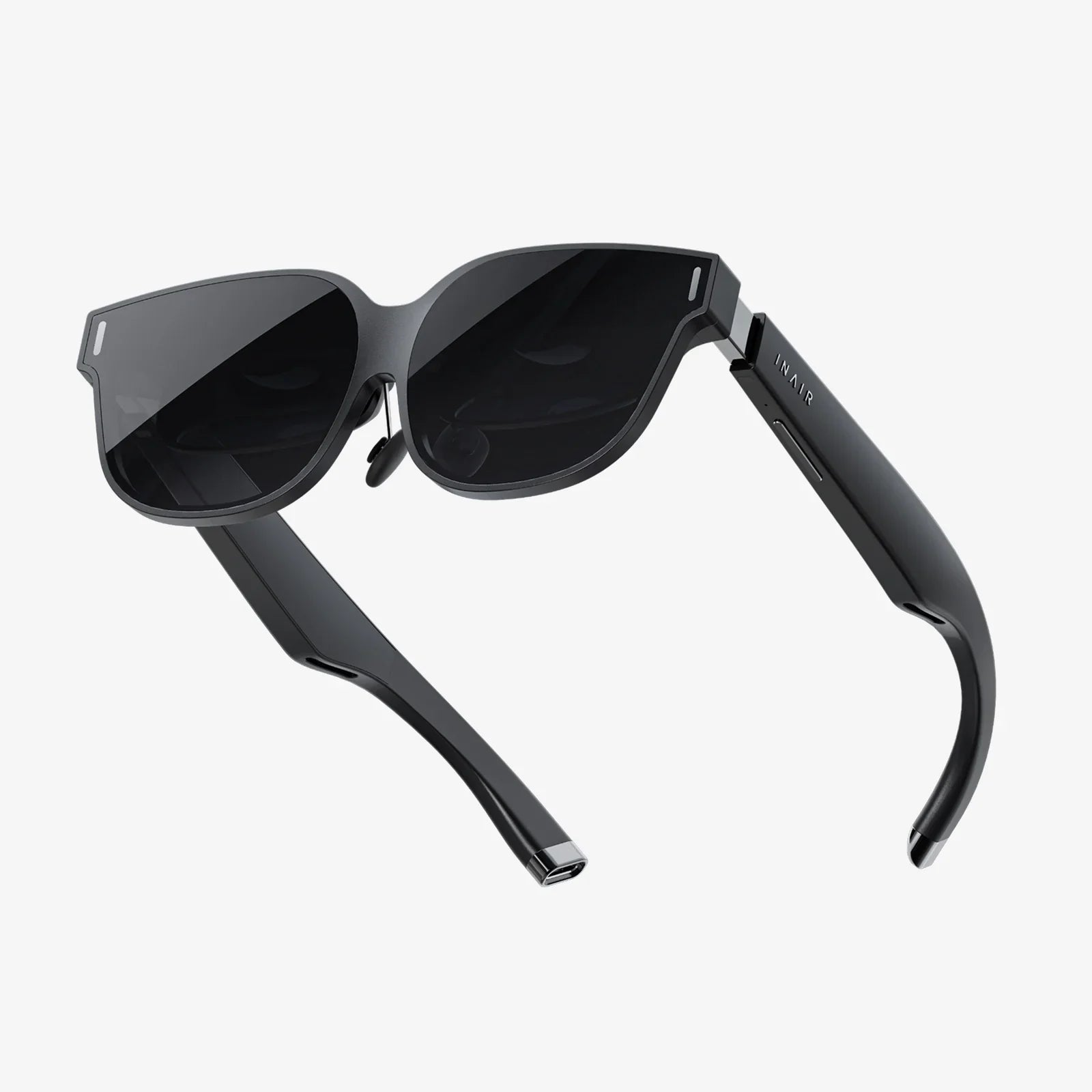
Meanwhile, VR and AR are poised to move from niche novelties to mainstream platforms. The concept of the 'metaverse office' is gaining traction, offering persistent 3D workspaces where teams can collaborate on digital models, conduct immersive training simulations, and interact with a sense of physical presence that flat screens cannot provide. While still in its early stages, this technology promises to add a rich, spatial dimension to remote collaboration, making it feel more natural and engaging.
The future of these products lies not in a single killer app, but in deeper, more seamless integration. The goal is a unified digital experience where switching from a chat to a video call to a collaborative document feels effortless, and data flows securely between applications to provide context and drive action without manual intervention.
The tectonic plates of work are shifting beneath our feet. The centralized, 9-to-5 office is giving way to a dynamic, flexible, and distributed model powered by an ever-evolving arsenal of virtual office products. These tools are fundamentally redefining collaboration, erasing geographical barriers to talent, and placing a new emphasis on results over presence. They are not just facilitating change; they are the very engine of it. To ignore this revolution is to risk obsolescence. The organizations that will lead the next decade are those that embrace this digital ecosystem not as a temporary fix, but as the foundation of a more agile, inclusive, and human-centric future of work. The door to your new office is open, and it exists everywhere.
Share:
Best Bluetooth Safety Glasses: The Ultimate Guide to Smart Hearing Protection
Virtual Office Benefits: Unlocking Productivity and Growth for the Modern Business